

Chrysler Sebring 1996-2006 Brake Fluid Level Sensor and Warning Light Guide
Is the brake warning light on in your Sebring? Here’s what the fluid level sensor is telling you.
- The brake warning light is your first clue. Check the fluid level before assuming the sensor is bad.
- For this part and vehicle age, a quality aftermarket brand like Standard Ignition is a smart, cost-effective choice.
- Replacement is very simple and can be done at home in minutes with no special tools.
- No specific recalls exist for this sensor, but the warning it provides relates to your car's most important safety system.
Is Your Sebring's Brake Light On?
Seeing the red brake warning light on your dashboard can be alarming. For a 1996-2006 Chrysler Sebring, this light is often triggered by the brake fluid level sensor. While the sensor itself can fail, it's more common that it's correctly reporting a real issue: low brake fluid. Low fluid can be caused by worn brake pads or a leak in the brake system.
Common Symptoms
- Brake Warning Light Stays On: The most common sign. This could mean the fluid is low or the sensor itself has failed in the 'on' position.
- Light Comes On During Turns or Braking: If the fluid is just at the minimum level, it can slosh around in the reservoir during vehicle movement, momentarily triggering the sensor and causing the light to flicker.
- Brake Light Never Comes On: A less common but more dangerous failure is when the sensor fails to detect a low fluid level, preventing the warning light from ever illuminating.
Choosing the Right Aftermarket Sensor
For a vehicle like the 1996-2006 Sebring, finding an OEM sensor by itself can be difficult; it is often sold as part of the complete master cylinder reservoir. Aftermarket sensors are a practical and cost-effective solution. Brands like Standard Ignition are designed as direct-fit replacements, meaning they install and function just like the original part without any modifications.
Given the simplicity of this part—it's essentially a switch—a quality aftermarket sensor from a reputable brand is a reliable choice. There is no significant performance difference to justify a costly search for a standalone OEM sensor.
Cost of Replacing the Brake Fluid Level Sensor
| Part Type | Estimated Cost |
|---|---|
| New Aftermarket (Standard Ignition) | $20 - $57 |
| New OEM | $70 - $150+ (Often includes reservoir) |
| Shop Labor | $50 - $100 |
Cost estimates are approximate and can vary by location and supplier. Labor costs are based on a minimal diagnostic and replacement time.
Frequently Asked Questions
How do I know if it's the sensor or just low fluid?
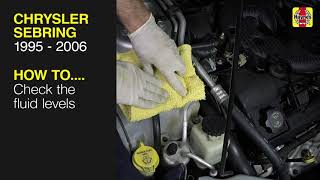
Check the fluid level in the reservoir. If it's below the 'MIN' line, the sensor is likely doing its job. Top it off and see if the light turns off. If the fluid level is full and the light stays on, the sensor is the likely culprit.
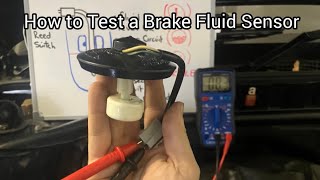
🎬 See this guide on how to test the sensor.Can I replace the sensor myself?
Yes, this is a very easy DIY job for most owners. The sensor is typically located in the cap or on the side of the brake fluid reservoir. It usually unplugs and unclips with basic hand tools. No special procedures are needed, but be careful not to let dirt fall into the open reservoir.
Are there any recalls for the Sebring brake fluid sensor?
No, there are no specific NHTSA recalls for the brake fluid level sensor on the 1996-2006 Chrysler Sebring. There was a recall for aftermarket Cardone-brand master cylinders (which would contain a sensor) that could leak, but this was not a Chrysler part.
What does the red 'BRAKE' light mean?
On a Chrysler Sebring, the red 'BRAKE' light serves multiple purposes. It will illuminate if the parking brake is engaged, if the brake fluid level is low (as detected by this sensor), or if there is a more serious issue in the base hydraulic brake system.
🎬 Watch: Diagnosing common reasons your brake light is on.Helpful Videos
Technical Specifications
Typically a 2-terminal, magnetic reed switch or float switch integrated into the master cylinder reservoir or cap.
We Have This Part in Stock


The information in this article is provided for general reference and educational purposes only. Vehicle specifications, procedures, and part compatibility can vary by production date, trim level, and region. Always consult your vehicle's factory service manual and verify part numbers before purchasing or performing repairs. Safety-critical components such as airbags, seat belts, and braking systems should be installed by a qualified professional.
- Chrysler Sebring: