

Ford Explorer (1996-2006) Automatic Transmission Mount Replacement and Diagnosis
Eliminate the clunking noises and excessive vibrations from your Explorer by understanding and replacing your transmission mount.
- The most common sign of failure is a loud 'clunk' when shifting into Drive or Reverse.
- Aftermarket brands like Anchor and Westar are budget-friendly but may increase vibration or have fitment issues.
- It is critical to confirm if you need the 2WD or 4WD version of the mount, as they are different.
- While drivable, a broken mount should be replaced quickly to prevent damage to other parts like the driveshaft or exhaust.
Is Your Explorer's Transmission Mount Failing?
A failing transmission mount on a second or third-generation Ford Explorer makes itself known with distinct symptoms. Because the part's job is to hold the heavy transmission in place, you will hear and feel it when the rubber wears out and allows for too much movement.
Top Failure Symptoms:
🎬 Watch this video to see five common signs of failure.- Clunking or Thudding Noises: The most common complaint is a loud "clunk" or "bang" when you shift from Park into Drive or Reverse. You may also hear this noise during hard acceleration or braking as the transmission shifts its weight.
- Excessive Vibration: You might feel a new, persistent vibration through the floor, seats, or steering wheel, especially when the Explorer is stopped at a light but still in gear.
- Drivetrain Movement: In severe cases, you can feel the entire engine and transmission assembly lurch or jerk as you accelerate or brake. An assistant can help you check this by holding the brakes and shifting from Drive to Reverse while you watch the engine for excessive rocking.
Choosing the Right Aftermarket Mount
When shopping for a new aftermarket transmission mount for your Explorer, it's important to understand the trade-offs between price and quality. The brands available are typically economy-focused, which can sometimes lead to issues.
Aftermarket Brand Quality Tiers
| Tier | Brands | Assessment |
|---|---|---|
| Economy / Standard Replacement | Anchor, DEA, Westar, Pioneer | These brands provide a low-cost solution to a failed mount. However, owner feedback suggests you should be prepared for potential issues. The rubber used may be harder than the original, leading to a noticeable increase in cabin vibration. In some cases, the metal brackets may be thinner than the factory part. |
| OEM (Original Equipment Manufacturer) | Ford / Motorcraft | OEM mounts are designed specifically for the Explorer and will provide the original ride quality and vibration absorption. They are the most reliable choice for fit and function but come at a higher cost. Given the fitment and vibration issues reported with some aftermarket brands, choosing an OEM part can prevent future headaches. |
Warning: Potential Fitment Problems
Some owners have reported that budget-friendly aftermarket mounts, such as those from Anchor, may not be a perfect fit for the 1996-2001 Explorer. One documented case required trimming the mount's studs and widening a bolt hole on the crossmember to complete the installation. 🎬 See how to replace the mount on a 2nd Gen Explorer. While this doesn't happen every time, it's a risk with non-OEM parts.
Common Ordering Mistakes
The single biggest mistake is ordering the wrong mount for your drivetrain. The 1996-2006 Ford Explorer was available in both two-wheel drive (2WD) and four-wheel drive (4WD) configurations, and they often use different transmission mounts. Always verify the part number for your specific vehicle using your VIN before purchasing.
Frequently Asked Questions (FAQ)
Is it difficult to replace the transmission mount on a 1996-2006 Explorer?
For a DIYer with the right tools, it is a manageable job. The process involves safely raising the vehicle, supporting the transmission pan with a floor jack and a block of wood, and removing a few nuts and bolts. However, rust and tight spaces can make it challenging, and some aftermarket parts may require modification to fit correctly.
Are there any recalls for the transmission mount on these Explorers?
No. Searches of the National Highway Traffic Safety Administration (NHTSA) database did not show any recalls or technical service bulletins (TSBs) specifically for the automatic transmission mount on 1996-2006 Ford Explorer models. Recalls for mounts and related components are common on newer Explorer generations.
🎬 Learn how to replace mounts on 2011-2019 Explorer models.Should I replace my engine mounts at the same time?
It is highly recommended to inspect your engine mounts when you replace the transmission mount. The engine and transmission mounts work together as a system. A failed transmission mount puts extra stress on the engine mounts, and they often wear out around the same time. If they are cracked or collapsed, replacing them all at once is a good idea.
What is the difference between the 2nd Gen (1995-2001) and 3rd Gen (2002-2005) mounts?
The part design and part numbers are different between these two generations. The 2nd generation often uses a smaller, rectangular mount, while the 3rd generation uses a different design to accommodate its updated chassis and suspension. You must order the part specific to your vehicle's year.
Helpful Videos
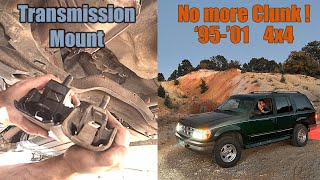
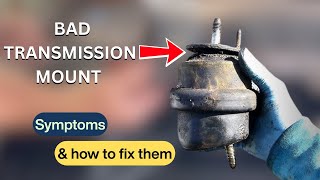
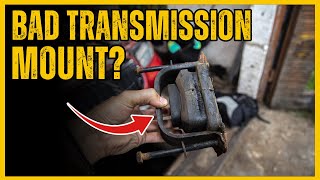
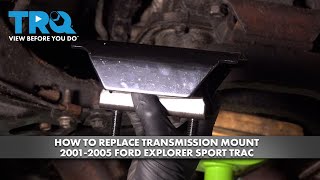
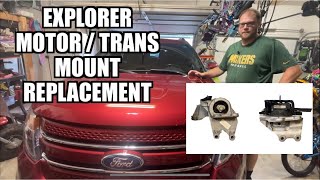
Technical Specifications
OEM Part Numbers: F87Z-6068-CA F87Z-6068-DA F5TZ-6068-A F6TZ-6068-A 5L2Z-6068-AA 1L2Z-6068-AA
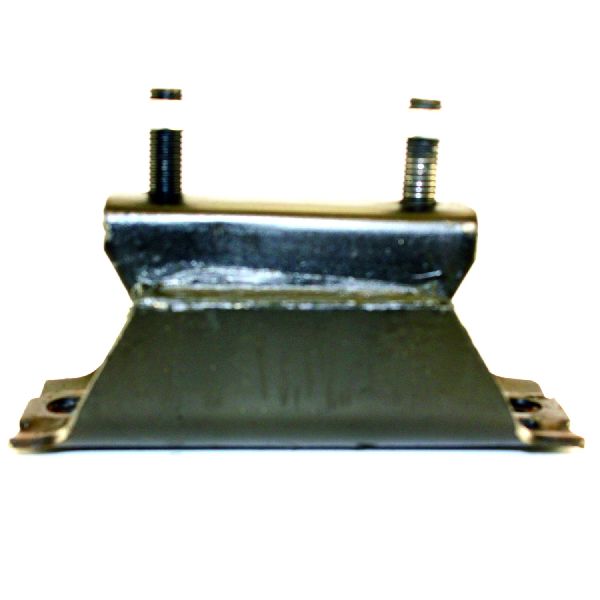
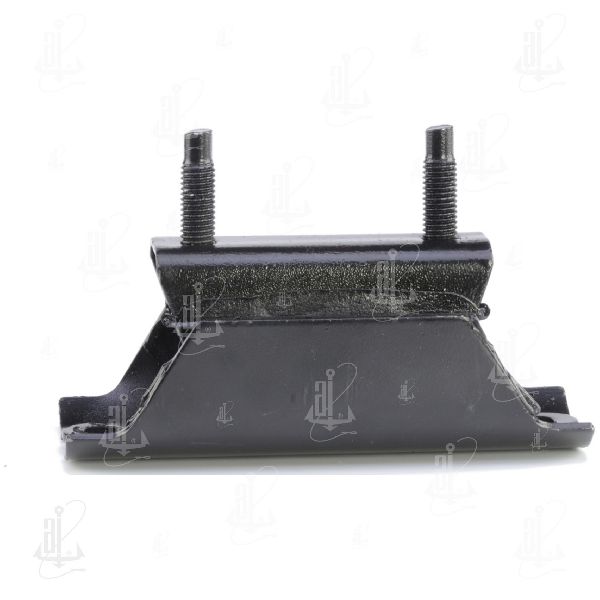
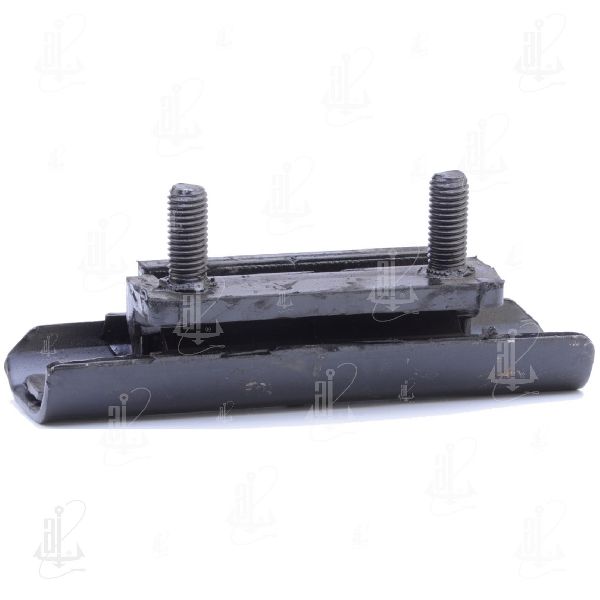
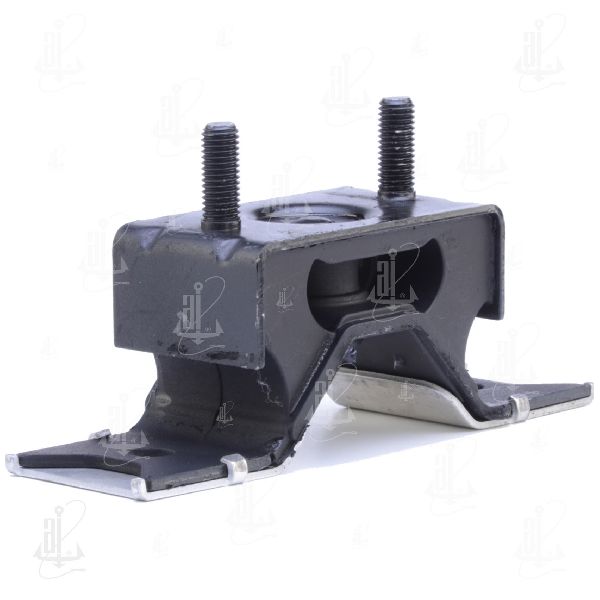
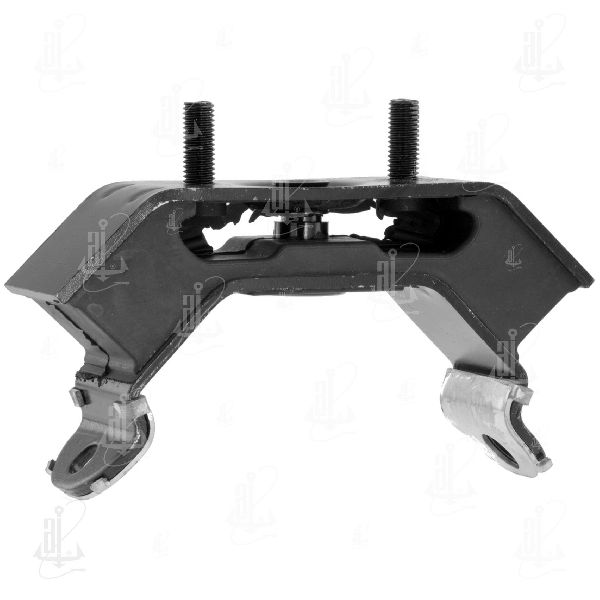
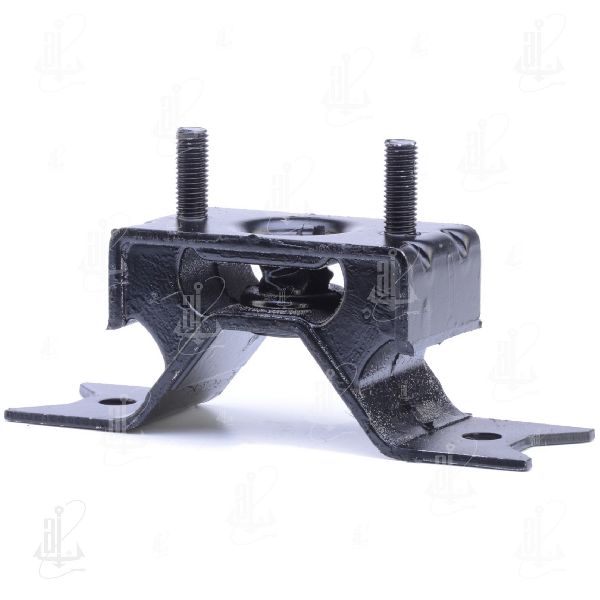
The mount consists of a steel bracket with a bonded rubber insulator. There are distinct part numbers for 2WD vs. 4WD models and for different generations (1996-2001 vs. 2002-2005). For example, aftermarket part Anchor 2639 is listed for 2WD 2nd Gen Explorers, while Anchor 2666 is for 4WD. Always verify the correct OEM number with your VIN.
We Have This Part in Stock

The information in this article is provided for general reference and educational purposes only. Vehicle specifications, procedures, and part compatibility can vary by production date, trim level, and region. Always consult your vehicle's factory service manual and verify part numbers before purchasing or performing repairs. Safety-critical components such as airbags, seat belts, and braking systems should be installed by a qualified professional.
- Ford Explorer: