

Ford Explorer Output Speed Sensor Guide for 1996-2006 Models
Solve your 1996-2006 Ford Explorer's flashing O/D light and shifting problems by understanding the automatic transmission output shaft speed sensor.
- A flashing O/D light with harsh shifting is the most common symptom of a bad output speed sensor on 1996-2006 Explorers.
- This is an easy and affordable DIY repair, typically taking less than an hour with basic tools.
- Always check the wiring and connector for damage before replacing the sensor itself, as this can be a free fix.
- For best results, use a high-quality replacement part from brands like Motorcraft (OEM) or NGK.
Is Your Explorer's Transmission Acting Up?

If you own a 1996 to 2006 Ford Explorer, a flashing "O/D OFF" light on your dash is a classic sign of trouble. This, combined with harsh, erratic shifting or a speedometer that has stopped working, often points directly to a failed automatic transmission output shaft speed sensor (OSS). Because the vehicle's computer loses the signal telling it how fast the truck is moving, it can't command shifts correctly. This forces the transmission into a protective "limp mode" with high line pressure, which causes the hard shifts and prevents overdrive.
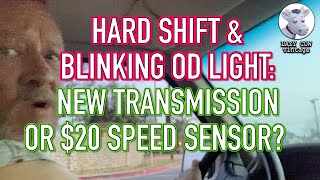
🎬 Watch: How a $20 sensor fixes flashing O/D lights and hard shifts.Choosing the Right Aftermarket Sensor

When replacing the OSS, you have a few good options. The choice often comes down to budget and peace of mind.
- Motorcraft: This is Ford's own brand, making it the Original Equipment (OE) part. Choosing Motorcraft guarantees a perfect fit and the same quality as the part your Explorer came with from the factory. For critical electronic sensors, many mechanics recommend sticking with OE to avoid compatibility issues.
- NGK: NGK is a top-tier manufacturer known for making high-quality sensors and ignition parts. They are often the original supplier for many car brands. An NGK sensor is an excellent aftermarket alternative that provides OE-level performance and reliability, sometimes at a better price point.
- Standard Ignition (Standard Motor Products): As one of the largest aftermarket parts producers, Standard makes reliable and widely available sensors. This is a solid, budget-friendly choice that meets or exceeds original specifications and is a dependable repair for your Explorer.
Pro Tip: Check the Wires First
Before buying a new sensor, take a close look at the wiring and connector going to the old one. Sometimes, a corroded connector or a damaged wire is the real cause of the problem, not the sensor itself. Cleaning the connector or repairing a wire can be a no-cost fix.
Cost to Replace the Output Speed Sensor
Replacing the OSS is one of the more affordable transmission-related repairs. The part itself is not expensive, and the labor is minimal because the sensor is easy to access.
| Part/Service | Estimated Cost |
|---|---|
| New Aftermarket Sensor | $28 - $67 |
| New OEM (Motorcraft) Sensor | $45 - $80 |
| Shop Labor | $50 - $100 |
| Total Estimated Cost | $78 - $180 |
Cost estimates are based on national averages and may vary by location and repair shop. The aftermarket price range is based on available inventory.
Frequently Asked Questions

Where is the output speed sensor located on a 1996-2006 Explorer?
The location depends on your drivetrain. On 4x4 models, the sensor is typically found on the transfer case near the rear driveshaft. On 2-wheel drive (2WD) models, it is located on the tailshaft housing of the transmission. It is an external sensor held in by a single bolt.
Can I replace this sensor myself?
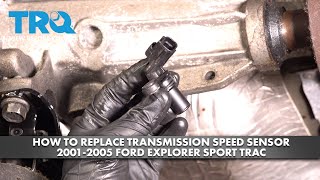
Yes, this is a great DIY job for beginners. The replacement is very simple and requires basic hand tools. You'll need to safely raise the vehicle, locate the sensor, disconnect the electrical plug, remove one bolt (usually 8mm or 10mm), and then pull the old sensor out. The entire process usually takes less than an hour.
🎬 See this step-by-step walkthrough for replacing the sensor yourself.Will replacing the OSS fix my flashing O/D light?
It is the most common fix for a flashing O/D light combined with shifting problems. However, a flashing O/D light is a general transmission warning. If a new sensor doesn't solve the issue, the problem could be more serious, such as a bad shift solenoid or internal transmission damage.
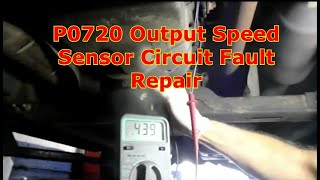
🎬 Watch: Diagnosing a P0720 output speed sensor circuit fault.What's the difference between the input (TSS) and output (OSS) speed sensors?
Your Explorer's transmission has at least two main speed sensors. The Input Shaft Speed (ISS) or Turbine Shaft Speed (TSS) sensor measures the speed of the transmission's input shaft from the engine. The Output Shaft Speed (OSS) sensor measures the speed of the shaft going out to the wheels. The computer compares these two speeds to control gear shifts. The OSS is the one that directly affects the speedometer and is the common cause of the symptoms described in this article.
Helpful Videos
Technical Specifications
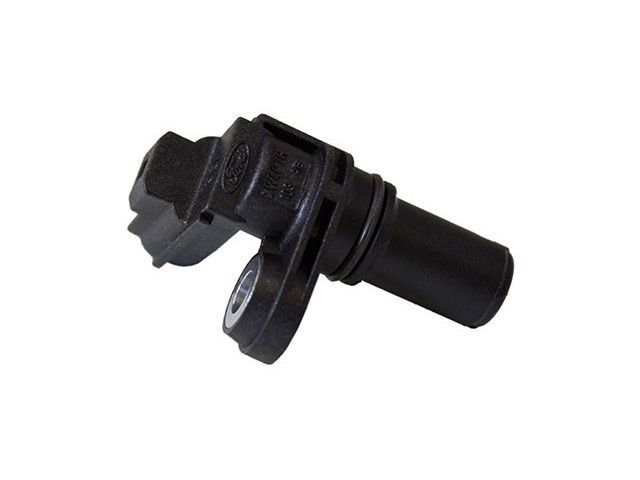
OEM Part Numbers: F87Z-7H103-AA 9L2Z-7H103-A DY1209 F87Z7H103AA 9L2Z7H103A
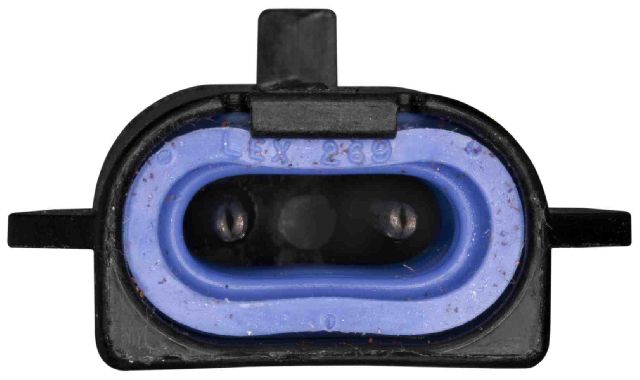
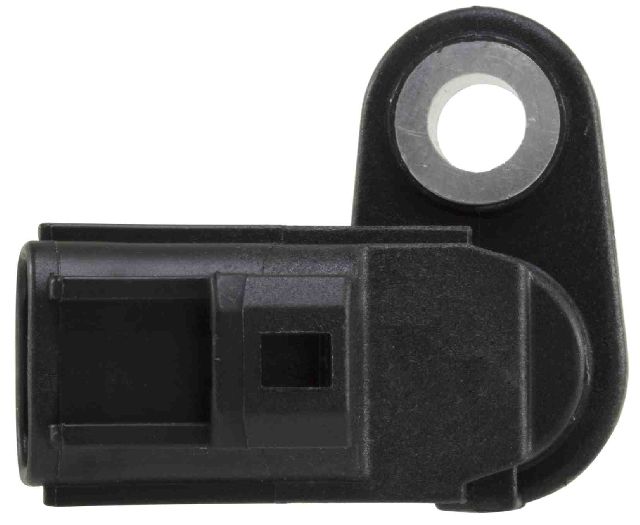
Typically a 2-pin magnetic sensor held in by a single bolt. Location varies between 2WD (transmission tailshaft) and 4WD (transfer case) models.
We Have This Part in Stock


The information in this article is provided for general reference and educational purposes only. Vehicle specifications, procedures, and part compatibility can vary by production date, trim level, and region. Always consult your vehicle's factory service manual and verify part numbers before purchasing or performing repairs. Safety-critical components such as airbags, seat belts, and braking systems should be installed by a qualified professional.
- Ford Explorer: