

Chevrolet Express 1500 (1996-2007) Manifold Absolute Pressure (MAP) Sensor Guide
Keep your work van's engine running smoothly by understanding, diagnosing, and replacing a faulty MAP sensor.
- A bad MAP sensor commonly causes a Check Engine Light, poor fuel economy, rough idle, and hesitation.
- Replacement is easy for a DIYer; the main task is removing the interior engine cover for access.
- Premium aftermarket brands like Delphi, NGK, and Standard Ignition offer excellent quality and value.
- Always check for simple issues like cracked vacuum hoses before replacing the sensor.
Is Your Express Van Running Rough? It Could Be the MAP Sensor.
A failing Manifold Absolute Pressure (MAP) sensor can cause a surprising number of problems in your 1996-2007 Chevrolet Express 1500. Since this sensor provides critical data about engine load, a bad one can leave the engine's computer guessing, leading to poor performance, bad fuel mileage, and a variety of other symptoms. Understanding these signs is the first step to getting your van back in reliable working order.
Symptoms of a Bad MAP Sensor
When a MAP sensor fails, it sends incorrect pressure readings to the engine's computer. This can trick the computer into delivering too much or too little fuel. Watch for these common signs:
🎬 See a clear explanation of these bad MAP sensor symptoms.- Check Engine Light: This is often the first sign. The system will log fault codes like P0106, P0107, or P0108. 🎬 Learn how to diagnose these specific fault codes easily.
- Poor Fuel Economy: If the sensor signals a high load incorrectly, the computer will inject more fuel than needed, wasting gas.
- Rough Idle: The engine may shake, vibrate, or struggle to maintain a steady RPM at a stop.
- Lack of Power & Hesitation: Your van might feel sluggish when you accelerate. It may hesitate or stumble, especially under load.
- Black Smoke from Exhaust: This is a sign of a rich fuel mixture (too much gas), which can be caused by a faulty MAP sensor telling the computer the engine is under more load than it is.
- Failed Emissions Test: Incorrect air-fuel mixtures will lead to high levels of hydrocarbons (HC), carbon monoxide (CO), or nitrogen oxides (NOx).
Check for Other Issues First
Symptoms of a bad MAP sensor can be similar to other problems, like a vacuum leak. Before replacing the sensor, it's a good idea to inspect all vacuum hoses connected to the intake manifold for cracks or loose connections.
Choosing the Right Aftermarket MAP Sensor
For the 1996-2007 Express 1500, you don't need to buy a genuine GM part to get good quality. Many aftermarket brands offer reliable parts, often at a better price. Here’s how they generally stack up:
- Premium Aftermarket (e.g., Delphi, NGK/NTK, Standard Ignition 'Pro' series): Delphi was a major original equipment (OE) supplier for GM, so their parts are often identical to the factory original. NGK (under their NTK sensor brand) and Standard Motor Products (SMP) are also highly respected for making quality sensors that meet or exceed OEM specifications. These are your best bet for reliability and longevity.
- Standard Aftermarket (e.g., Hella, Holstein, Walker Products): These brands provide a good balance of quality and price. They are a solid choice for a daily driver or work van where budget is a consideration but reliability is still important.
- Budget-Friendly (e.g., Global Parts, True Tech, Vemo): These brands offer the lowest price point. While they can get your van back on the road, their long-term durability and the consistency of their electronics may not match the higher-tiered brands. They can be a viable option for a quick fix or if the vehicle has very high mileage.
Pro Tip: OEM vs. Aftermarket
For many electronic parts on these vans, aftermarket companies have had decades to refine their products. A premium aftermarket sensor from a brand like Delphi or NGK is often just as good, if not better, than a new OEM part from a dealer, and almost always a better value.
Cost of Replacing a MAP Sensor
| Item | Estimated Cost |
|---|---|
| New Aftermarket Part | $32 - $95 |
| New OEM Part | $45 - $95 |
| Shop Labor | $60 - $120 |
| Total DIY Cost | $32 - $95 |
| Total Professional Cost | $92 - $215 |
Frequently Asked Questions
Where is the MAP sensor located on a 1996-2007 Express 1500?
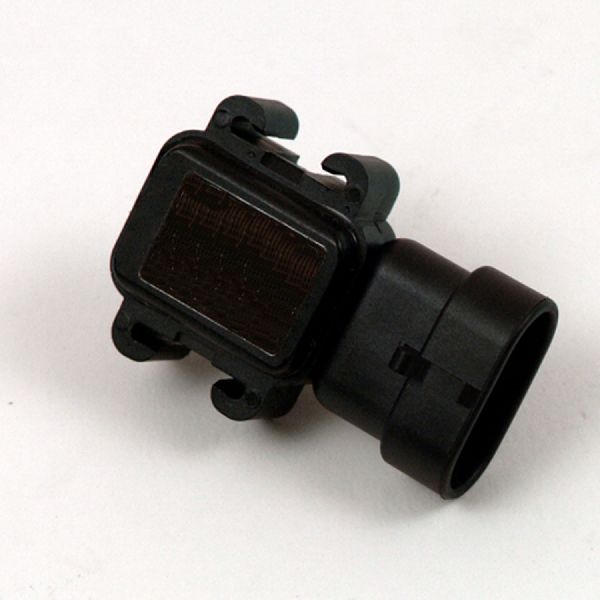
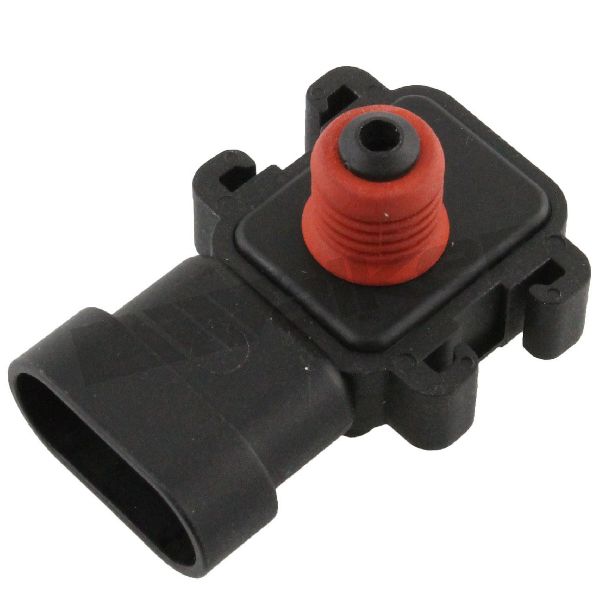
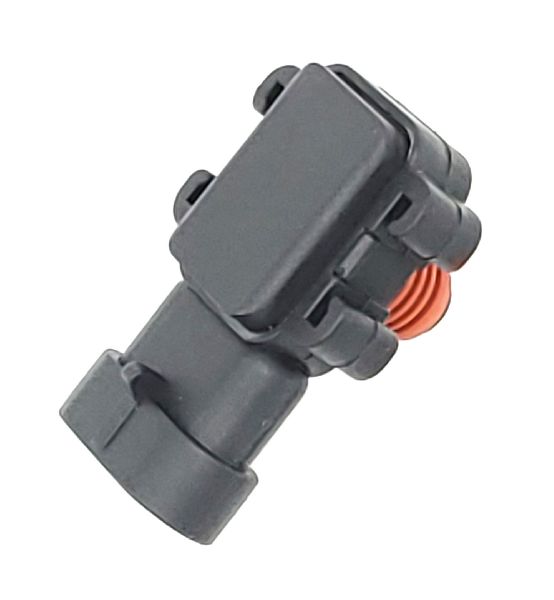
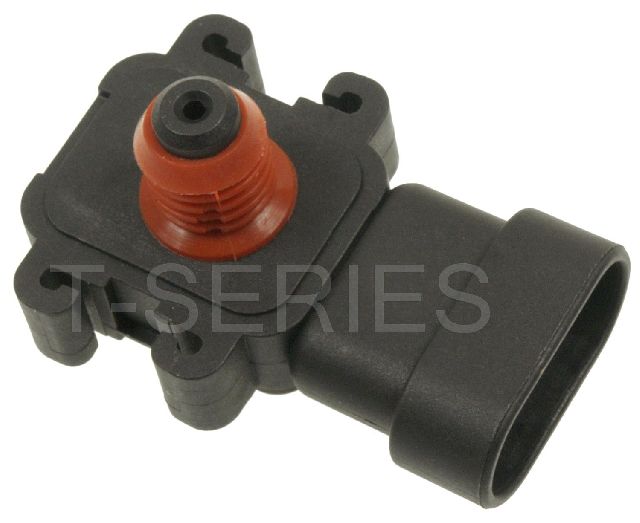
The MAP sensor is located on the top rear of the intake manifold. To access it, you will need to remove the engine cover (doghouse) from inside the van. It's a small black plastic sensor with an electrical connector, pushed into a grommet on the manifold.
Is replacing the MAP sensor a difficult job?
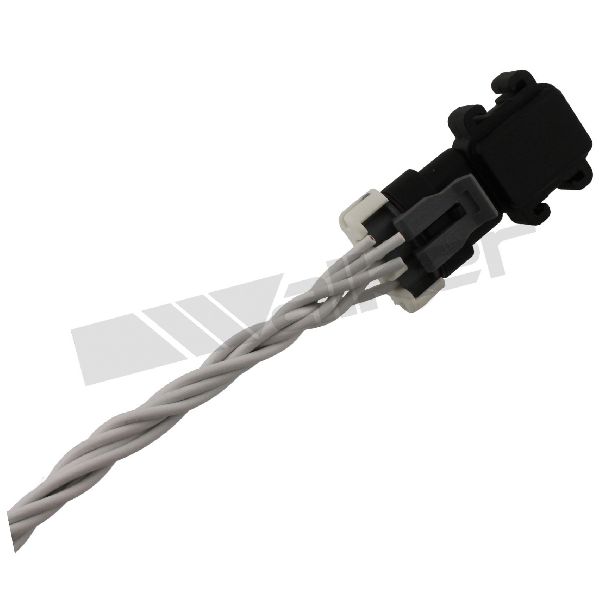
No, it's a relatively easy job. The most time-consuming part is removing the interior engine cover. Once you have access, you simply disconnect the electrical plug, 🎬 Watch this walkthrough on how to swap the sensor yourself. pull the old sensor straight out of the manifold, and push the new one in. No special tools are required beyond a 10mm socket and ratchet for the engine cover bolts.
Are there any recalls for the MAP sensor on these vans?
No, there are no specific recalls for the MAP sensor on the 1996-2007 Chevrolet Express 1500. Searches of the NHTSA database show recalls for other issues on different model years, but none related to the MAP sensor for this generation.
What is a TSB and are there any for this MAP sensor?
A Technical Service Bulletin (TSB) is a notice from the manufacturer to dealers about a common problem and its fix. While some TSBs exist for MAP sensor issues on other GM trucks (like P0106 from icing in cold weather or from poor wiring connections), there are no widespread, specific TSBs that single out the 1996-2007 Express 1500's MAP sensor itself as a high-failure part.
Helpful Videos
Technical Specifications
OEM Part Numbers: 19418808 12711681 12223861 16040749
Typically a 3-pin, GM-style sensor that press-fits into the intake manifold. It operates on a 5-volt reference signal from the ECU.
We Have This Part in Stock


The information in this article is provided for general reference and educational purposes only. Vehicle specifications, procedures, and part compatibility can vary by production date, trim level, and region. Always consult your vehicle's factory service manual and verify part numbers before purchasing or performing repairs. Safety-critical components such as airbags, seat belts, and braking systems should be installed by a qualified professional.
- Chevrolet Express 1500: