

Freightliner FS65 (1996-2008) Disc Brake Caliper: A Comprehensive Guide
Everything an owner needs to know about diagnosing, choosing, and replacing a failing brake caliper on a 1996-2008 Freightliner FS65.
- A pulling vehicle, burning smell, or a hot wheel are critical signs of a failing caliper that require immediate attention.
- No recalls exist for the 1996-2008 FS65 calipers, but you must check for related brake line recalls (04V-343, FL550A, 07V-234).
- Always replace calipers in pairs (both fronts or both rears) with new pads and hardware to ensure safe, balanced braking.
- This is not a DIY job for most; the components are extremely heavy and professional installation is strongly recommended for safety.
Is Your FS65 Pulling to One Side When Braking?
A failing brake caliper is a serious safety issue. Because the FS65 is a heavy-duty vehicle, the symptoms of a bad caliper are often very noticeable. Ignoring them can lead to more expensive repairs or a complete loss of braking.
Key Failure Symptoms:
- Vehicle Pulling Sharply: If the bus pulls to the left or right when you hit the brakes, it's a classic sign of a seized or sticking caliper. One brake is working harder than the other.
- Burning Smell After Driving: A strong, acrid burning smell coming from a wheel indicates a caliper is stuck and dragging the brake pad against the rotor, causing extreme heat.
- One Wheel is Hotter Than The Others: After a drive (without heavy braking), carefully feel for heat coming off the wheels. A wheel that is significantly hotter than the rest points to a dragging brake and a bad caliper.
- Brake Fluid Leaks: Puddles of oily fluid near the inside of a wheel are a sign of a leaking caliper piston seal. A fluid leak will lead to a soft, spongy brake pedal and eventual brake failure.
- Uneven Brake Pad Wear: When changing brake pads, if one side is worn down much more than the other, it's often caused by a caliper that isn't working correctly.
Known Issues & Recalls
While searches show no specific recalls from the NHTSA for the disc brake calipers on the 1996-2008 Freightliner FS65, there are important recalls for the hydraulic brake lines that can cause brake failure. It is critical to ensure these have been addressed on your vehicle:
- NHTSA Recall 04V-343: Affects 1996-2002 models. A ground strap can rub through a steel brake line, causing a fluid leak.
- NHTSA Recall FL550A: Affects 2004-2006 models. A hydraulic brake line can rub against the transmission dipstick tube, causing a leak.
- NHTSA Recall 07V-234: Affects 2005-2006 models. A hydraulic brake line could rub against coolant lines, leading to a leak.
Always have a mechanic check for these issues during any brake service.
Choosing the Right Aftermarket Caliper
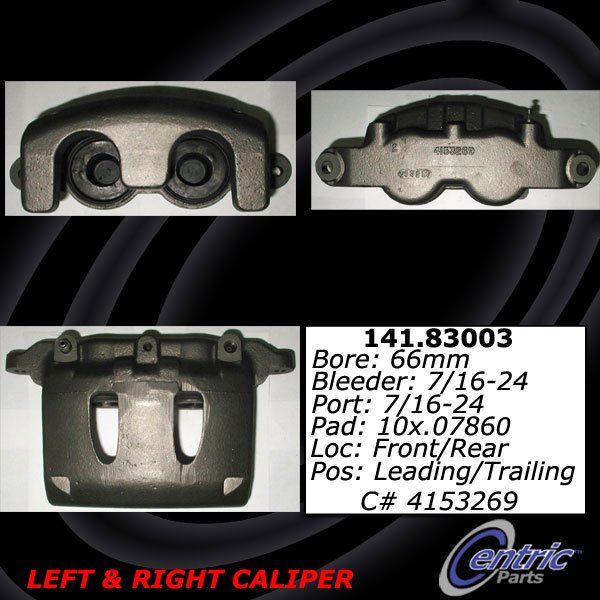
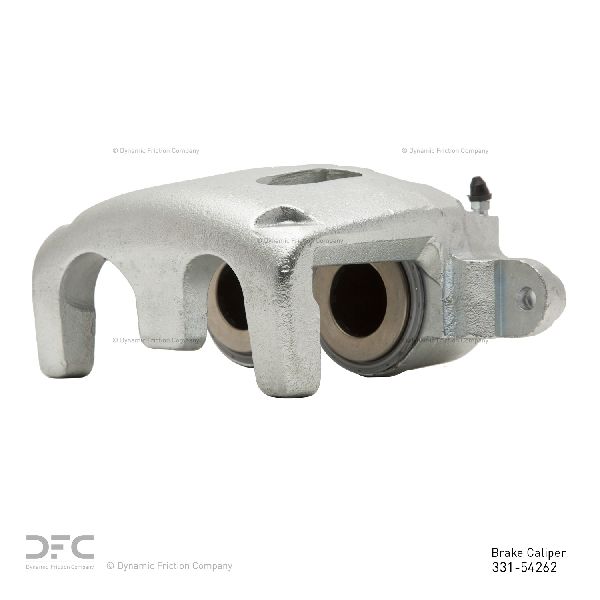
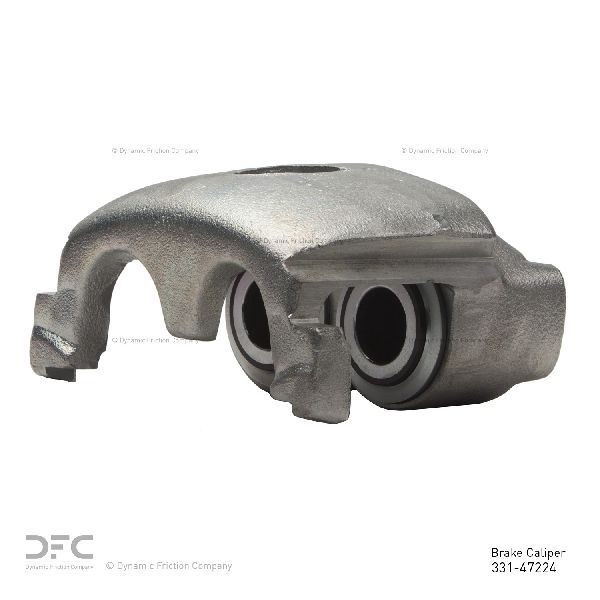
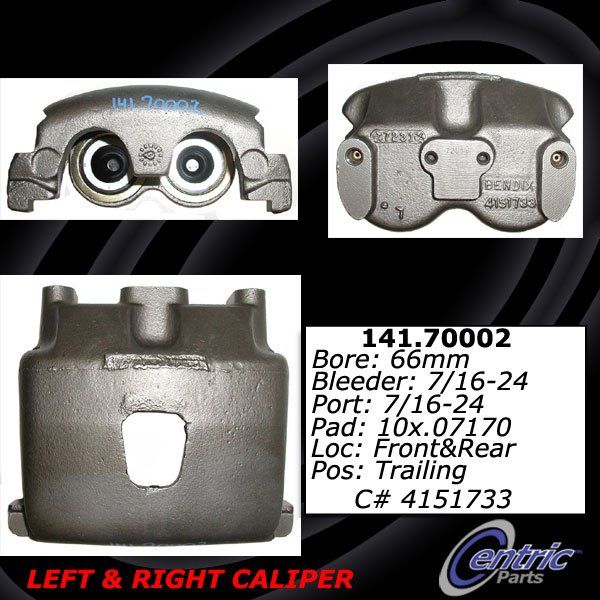
For a safety-critical part on a heavy vehicle, quality matters. OEM (Original Equipment Manufacturer) calipers are always a benchmark for quality, but reputable aftermarket brands offer a reliable and more affordable alternative. All available brands for the FS65—Centric, Dynamic Friction, and Raybestos—are established names in the brake industry.
| Brand Tier | Brands | Quality & Notes |
|---|---|---|
| Good / Standard Replacement | Centric | Centric is a well-regarded aftermarket manufacturer. Forum users often report good fit and performance for daily use. They are known for providing quality remanufactured calipers that are properly cleaned and prepared. |
| Better / Enhanced Durability | Dynamic Friction | Often praised for quality and associated with high-performance applications. A great choice for those seeking robust performance. Many of their calipers feature protective coatings to resist corrosion. |
| Best / Premium & Fleet Grade | Raybestos | Raybestos is a historic brand with a strong reputation in braking. Their Element3 line, which often includes coated calipers, is specifically designed for corrosion resistance, making it a premium choice for vehicles in harsh weather or road salt conditions. |
Pro Tip: Loaded vs. Unloaded Calipers
You will see options for "Loaded" or "Unloaded" calipers. A loaded caliper comes complete with new brake pads and all the necessary mounting hardware (clips and pins). An unloaded caliper is just the caliper itself. If you are already replacing the caliper, it is highly recommended to buy a loaded unit to ensure all related components are new and work together perfectly.
Frequently Asked Questions (FAQ)
Should I replace brake calipers in pairs?
Yes, absolutely. Brake calipers should always be replaced in pairs (both front wheels or both rear wheels at the same time). Replacing only one can cause unbalanced braking, making the vehicle pull to one side and creating a safety hazard.
What is the difference between a phenolic and steel piston?
Calipers use either phenolic (a type of resin) or steel pistons. Phenolic pistons do not rust and are better at insulating the brake fluid from heat, which helps prevent fluid boil. Steel pistons are stronger but can rust over time if moisture enters the system. For the FS65, either type from a quality brand is acceptable, but phenolic pistons offer a slight advantage against heat and corrosion.
Can I reuse my old brake pads and hardware?
No. A failing caliper has likely caused extreme heat and uneven wear, damaging the brake pads. Always install new pads and hardware (clips, pins, and shims) with a new caliper. This is the only way to guarantee proper performance and safety.
Is replacing an FS65 caliper a DIY job?
For most people, no. This is a job best left to a professional mechanic. The wheels, calipers, and hub assemblies on the FS65 are extremely heavy. The job requires heavy-duty jacks, specialized tools, and knowledge of how to safely bleed a hydraulic brake system. An improperly installed or bled caliper will fail.
Technical Specifications
System: Hydraulic Disc Brakes. Piston Count: Varies by specific year and axle position (front/rear), typically one or two pistons. Piston Material: Steel or Phenolic. Configuration: Floating Caliper.
We Have This Part in Stock

The information in this article is provided for general reference and educational purposes only. Vehicle specifications, procedures, and part compatibility can vary by production date, trim level, and region. Always consult your vehicle's factory service manual and verify part numbers before purchasing or performing repairs. Safety-critical components such as airbags, seat belts, and braking systems should be installed by a qualified professional.
- Freightliner FS65: