

Pontiac Grand Prix Engine Coolant Temperature Sensor Guide (1996-2008)
Is your Grand Prix running rough, getting bad gas mileage, or showing a check engine light? Your Engine Coolant Temperature sensor could be the problem.
- A bad ECT sensor can cause poor fuel economy, a check engine light, and potential overheating.
- For best results, use an OE-quality aftermarket brand like ACDelco or Delphi for your Grand Prix.
- Replacement is a simple, low-cost DIY job for most owners, typically taking less than an hour.
- The sensor is usually located under the thermostat housing on the popular 3.8L V6 engine.
Is Your Grand Prix Showing Signs of a Bad Coolant Sensor?
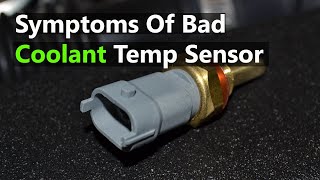
A failing Engine Coolant Temperature (ECT) sensor on a 1996-2008 Pontiac Grand Prix can cause a range of noticeable problems. Because this sensor provides key data to the engine computer, a bad signal can make the car run poorly. You know your car best, so if you notice any of these issues 🎬 Watch this video to see common signs of a failing sensor., it might be time to check your ECT sensor.
Common Symptoms of a Failing ECT Sensor:
- Check Engine Light: This is often the first sign. Codes like P0117, P0118, or P0128 point directly to the ECT sensor or its circuit.
- Poor Fuel Economy: If the sensor wrongly tells the computer the engine is cold, the computer will enrich the fuel mixture, causing you to use more gas.
- Black Smoke from Exhaust: A very rich fuel mixture can result in black smoke coming from the tailpipe.
- Engine Overheating: If the sensor fails to tell the computer the engine is hot, the cooling fans may not turn on when needed.
- Hard Starting: The engine may be difficult to start, especially when cold, if the computer is getting incorrect temperature data.
- Rough Idle: An incorrect air-fuel mixture can cause the engine to idle poorly or stall.
Choosing the Right Aftermarket Sensor for Your Grand Prix
When it comes to electronic sensors, quality matters. While a cheap sensor might save you a few dollars upfront, it can fail quickly, leaving you with the same problems. For the Pontiac Grand Prix, especially with the reliable 3800 V6 engine, it's best to stick with brands known for their quality and reliability.
Pro Tip: Many Grand Prix owners and mechanics recommend using either ACDelco or Delphi sensors. These brands are original equipment (OE) suppliers to General Motors, so their parts are often identical to the one your car came with from the factory. Using one of these brands ensures the best fit and performance.
Aftermarket Brand Tiers
- Tier 1 (OE Quality): ACDelco and Delphi. These are the most recommended brands. They provide the same performance and durability you'd expect from a genuine GM part. Some forum users have reported that cheaper aftermarket sensors can read inaccurately, a problem that was solved by switching to an ACDelco part.
- Tier 2 (Reputable Aftermarket): Brands like NGK/NTK and Standard Motor Products (SMP) have a solid reputation for producing reliable electronic components. They are a good alternative if an OE-quality part isn't available.
- Tier 3 (Budget Options): This category includes various other brands. While the low price is tempting, be aware that some owners have experienced issues with new-in-box failures or inaccurate readings from budget sensors. If you choose a budget brand, be prepared for the possibility that it may not last as long as a higher-quality option.
How Much Does a New ECT Sensor Cost?
Replacing the ECT sensor is one of the more affordable repairs you can do on your Grand Prix. The parts are not expensive, and if you do it yourself, you can save a lot on labor.
🎬 Learn more about symptoms and typical replacement costs.| Item | Estimated Cost |
|---|---|
| New Aftermarket ECT Sensor | $12.58 - $50.04 |
| New OEM (GM Genuine) ECT Sensor | $25 - $60 |
| Shop Labor | $75 - $150 |
Frequently Asked Questions (FAQ)
Where is the ECT sensor located on a Pontiac Grand Prix?
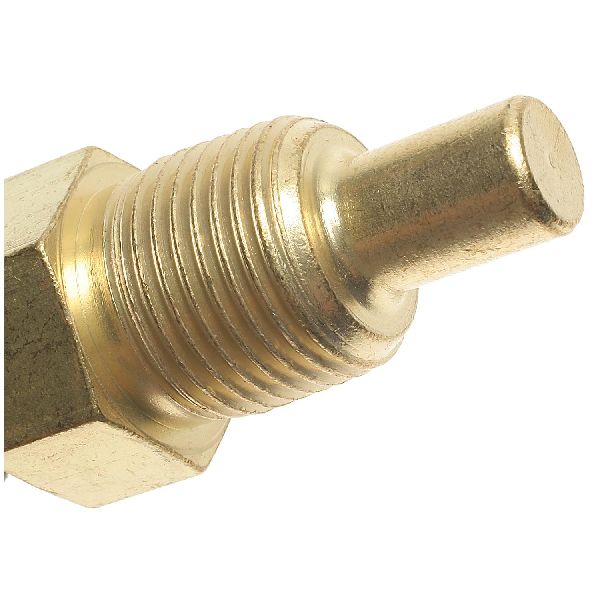
On most Grand Prix models with the 3.8L (3800) V6 engine, the ECT sensor is located on the lower intake manifold, directly under the thermostat housing. You can find it by tracing the upper radiator hose to where it connects to the engine. The sensor is a small, two-wire brass or plastic sensor threaded into the manifold. Access can be tight, especially on later models, and may require a special socket or a modified wrench.
🎬 See the simplest way to remove and install the 3.8L sensor.Can I drive my Grand Prix with a bad ECT sensor?
You can, but it's not recommended for long. A bad sensor can lead to poor fuel economy, increased emissions, and potentially cause the engine to overheat if the fans don't come on. It's best to get it replaced as soon as you can to avoid causing other problems.
What happens if I don't replace a faulty ECT sensor?
Ignoring a bad ECT sensor can have several negative effects. Your car will fail an emissions test. You'll spend more money on gas due to the engine running rich. In a worst-case scenario, the engine could overheat without warning, leading to severe and expensive damage like a warped cylinder head or blown head gasket.
Is an OEM sensor really better than aftermarket for this part?
For critical sensors like the ECT, using an OEM-quality part from a brand like ACDelco or Delphi is highly recommended by Grand Prix owners. While many aftermarket parts work fine, some have been known to be inaccurate right out of the box, causing the same problems as the part you just replaced. Spending a few extra dollars on a trusted brand gives you peace of mind that the job is done right.
Are there any recalls for the Grand Prix ECT sensor?
A search of NHTSA records did not show any specific recalls for the Engine Coolant Temperature Sensor on 1996-2008 Pontiac Grand Prix models. There was a recall (07035) for supercharged models concerning oil leaking onto the exhaust manifold, but this is unrelated to the ECT sensor itself.
Helpful Videos

Technical Specifications
OEM Part Numbers: 15326386 12146312 25036979 19236568
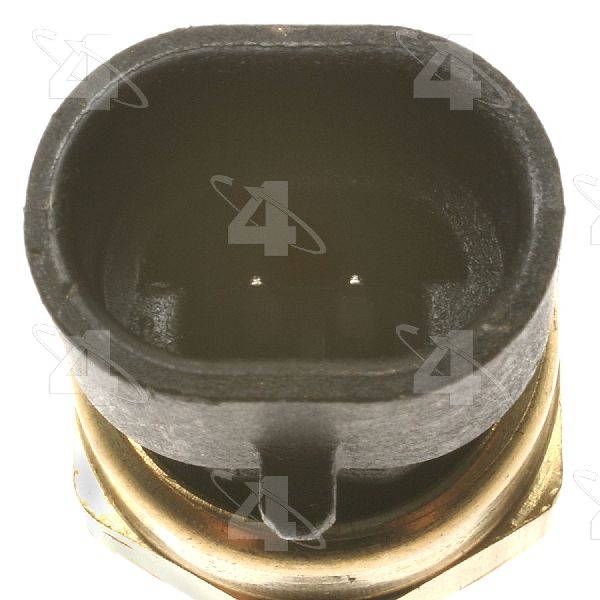
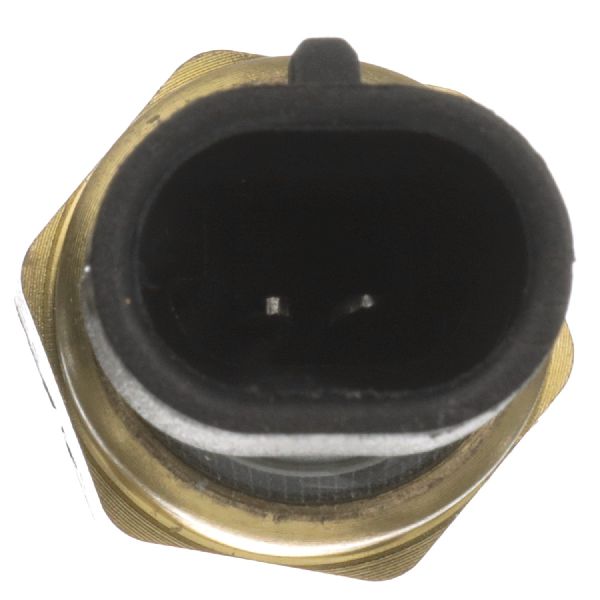
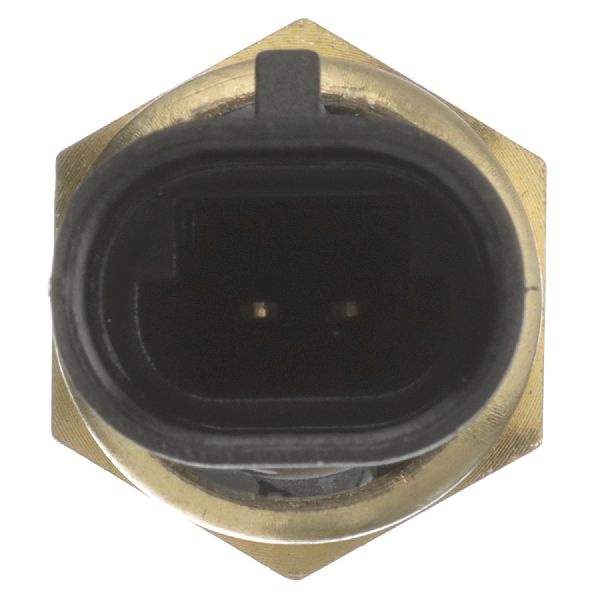
The sensor is a two-terminal thermistor that changes resistance based on coolant temperature. It typically has a 2-pin connector and threads into the lower intake manifold.
We Have This Part in Stock


The information in this article is provided for general reference and educational purposes only. Vehicle specifications, procedures, and part compatibility can vary by production date, trim level, and region. Always consult your vehicle's factory service manual and verify part numbers before purchasing or performing repairs. Safety-critical components such as airbags, seat belts, and braking systems should be installed by a qualified professional.
- Pontiac Grand Prix: