

Pontiac Grand Prix 1996-2008 Oxygen Sensor: A Complete Guide
Solving poor gas mileage and check engine lights on your 1996-2008 Pontiac Grand Prix starts with the right oxygen sensor.
- For a P0171 'lean' code, always check for vacuum leaks before replacing an O2 sensor.
- Stick to high-quality brands like ACDelco, Denso, or NGK/NTK for best results with the Grand Prix's computer.
- Verify if your car has Federal or California emissions to ensure you buy a sensor with the correct connector.
- A special oxygen sensor socket is a worthwhile investment that makes the replacement job much easier.
Symptoms of a Failing Oxygen Sensor in a Grand Prix

When an oxygen sensor starts to fail on your Grand Prix, it can't send accurate information to the engine computer. The computer may compensate by adding too much fuel, leading to several noticeable problems. Ignoring these signs can lead to more expensive repairs, like a damaged catalytic converter.
- Check Engine Light: This is the most common sign. Codes like P0135 (Heater Circuit Malfunction) or P0171 (System Too Lean) often point to an O2 sensor issue.
- Poor Fuel Economy: One of the most reported issues. If you're stopping for gas more often, a lazy or failed O2 sensor is a likely culprit.
- Rough Idle or Misfires: An unbalanced air-fuel ratio can cause your engine to run rough, shake at idle, or hesitate during acceleration.
- Rotten Egg Smell: A smell of sulfur from the exhaust indicates that too much unburned fuel is entering the catalytic converter, a classic symptom of a rich fuel mixture caused by a bad sensor.
A Note on Code P0171 (System Too Lean)
While a P0171 code can be caused by a faulty oxygen sensor, on the 3.8L V6 engine it is very commonly caused by a vacuum leak. The intake manifold gaskets, vacuum lines, or the tube from the air box to the throttle body are frequent failure points. Before spending money on a new sensor for a P0171 code, it is highly recommended to inspect the engine for vacuum leaks first.
🎬 Watch: How to diagnose and fix a P0171 lean codeChoosing the Right Aftermarket Oxygen Sensor

Not all aftermarket sensors are created equal. For the Pontiac Grand Prix, using a quality sensor is important for proper engine function. Forum users and experienced mechanics often report that GM engine computers can be sensitive to the signals from off-brand sensors.
Premium & OEM-Equivalent Brands
These brands are either the original equipment manufacturer (OEM) or are known to meet or exceed OEM quality. They are the most recommended choice for a trouble-free replacement.
- ACDelco: As the original GM parts brand, this is the safest bet for perfect compatibility and performance.
- Denso: A major OEM supplier worldwide, Denso sensors are highly regarded and often used as the factory part. They are considered a top-tier alternative to ACDelco.
- NGK / NTK: Another leading OEM supplier known for high-quality sensors that work well with the Grand Prix's engine management system.
Reputable Aftermarket Brands
These brands offer a good balance of quality and price, but experiences can sometimes be mixed.
- Bosch: While a huge name in auto parts, Bosch O2 sensors have a mixed reputation among Grand Prix and GM owners. Some report they work fine, but many have experienced issues, suggesting they may not always be calibrated correctly for the GM computer.
- Delphi: Another major OEM supplier with a strong reputation for quality electronics.
Value Brands
These brands are for the budget-conscious buyer. They may work perfectly, but have a higher chance of premature failure or causing subtle performance issues.
- Walker Products, Spectra, DriveWire: These brands offer a direct-fit replacement at a lower cost.
Common Ordering Mistakes
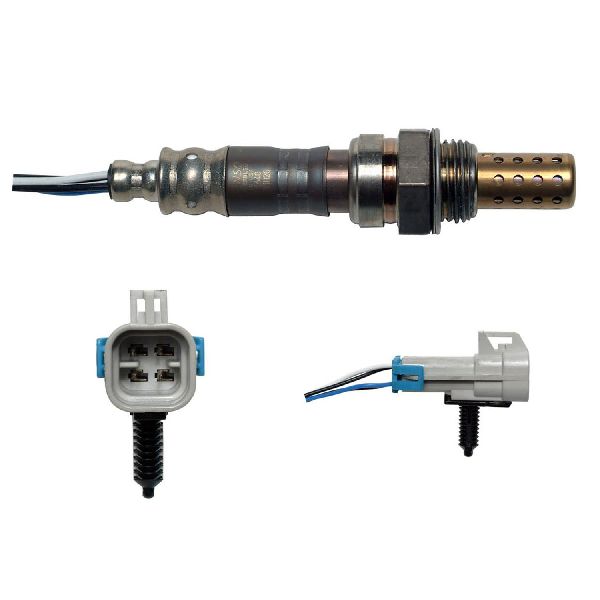
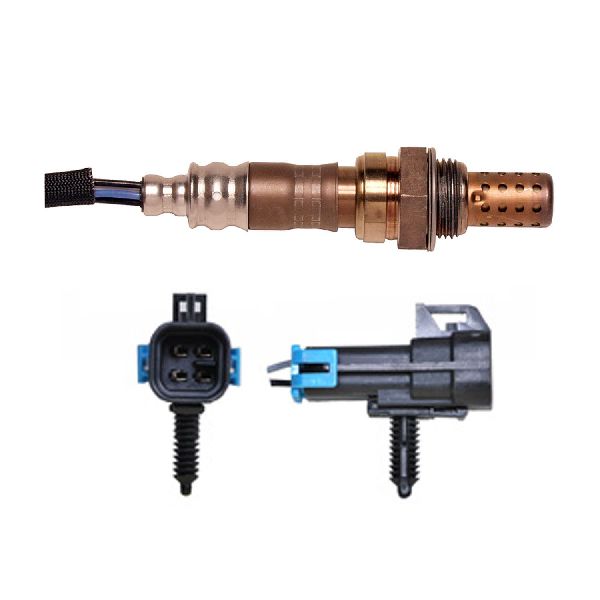
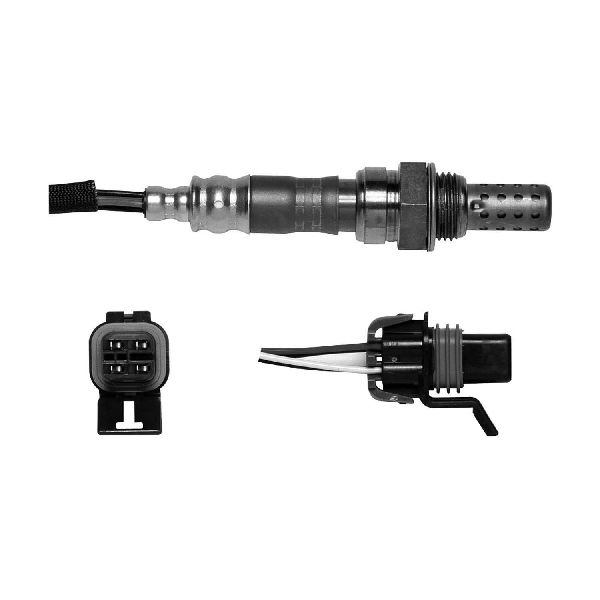
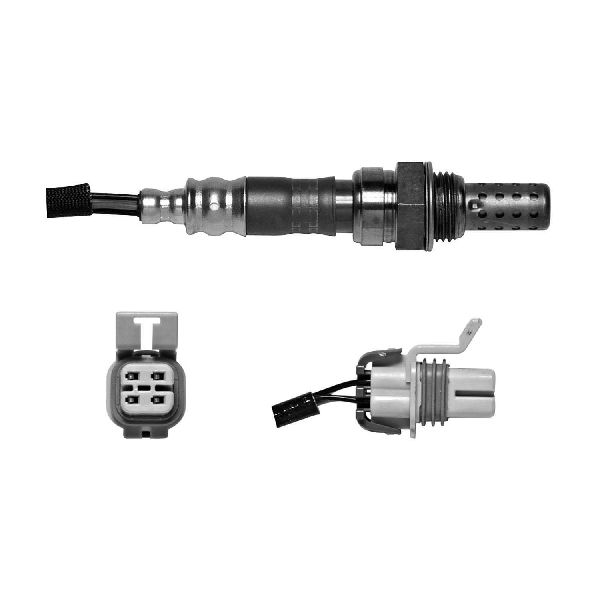
To avoid return hassles, check two things before you buy. First, confirm if your car has Federal or California emissions, as the electrical connectors can be different. Second, remember that upstream (before-cat) and downstream (after-cat) sensors are different parts and cannot be interchanged.
Oxygen Sensor Replacement Cost

The cost to replace an oxygen sensor depends on the brand you choose and whether you do the work yourself. A shop will typically charge for one hour of labor for the replacement.
| Item | Estimated Cost |
|---|---|
| New Aftermarket Oxygen Sensor | $34 - $137 |
| Shop Labor | $100 - $150 |
| Total Professional Replacement | $134 - $287 |
Frequently Asked Questions

How many oxygen sensors does my Grand Prix have?
Most V6 models (3.1L and 3.8L) from 1996-2008 have two oxygen sensors: one upstream (Bank 1, Sensor 1) and one downstream (Bank 1, Sensor 2). The V8-powered GXP models have four sensors. This guide focuses on the more common V6 setup.
Where are the oxygen sensors located?
On the 3.8L V6, the upstream sensor (Bank 1, Sensor 1) is located in the rear exhaust manifold, accessible from the top of the engine bay toward the firewall. It's in a tight spot. The downstream sensor (Bank 1, Sensor 2) is found underneath the car, screwed into the exhaust pipe just after the catalytic converter.
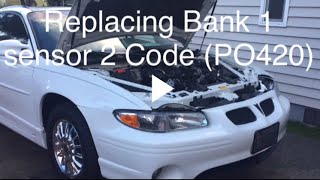
🎬 Watch: Replacing the O2 sensor on a GM 3.8L engineCan I replace an oxygen sensor myself?
Yes, this is a DIY-feasible job for someone with basic mechanical skills. The downstream sensor is generally easy to access. The upstream sensor is more challenging due to its tight location. A special tool called an oxygen sensor socket, which has a slot for the wire, is highly recommended and makes the job much easier. 🎬 See this walkthrough for changing your Grand Prix O2 sensors Always let the exhaust cool completely before starting.
Should I replace both sensors at the same time?
While not strictly necessary, it is often recommended. Oxygen sensors degrade over time. If one has failed due to age and high mileage (typically around 100,000 miles), the other is likely not far behind. Replacing them in pairs ensures the engine computer receives accurate readings from both for balanced performance.
Helpful Videos

Technical Specifications
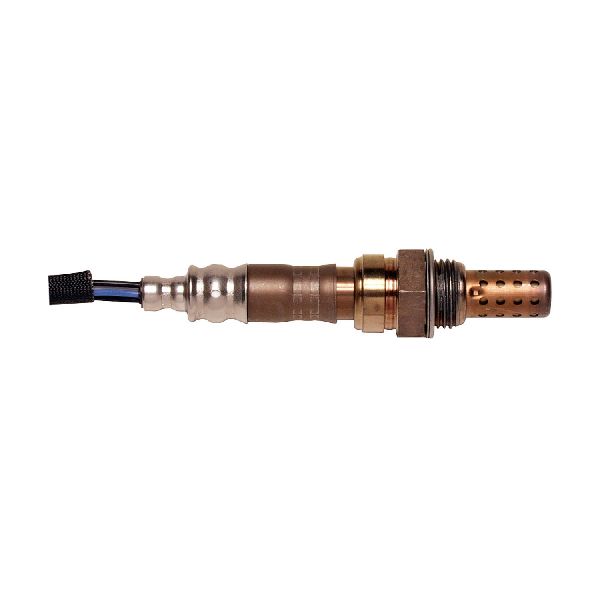
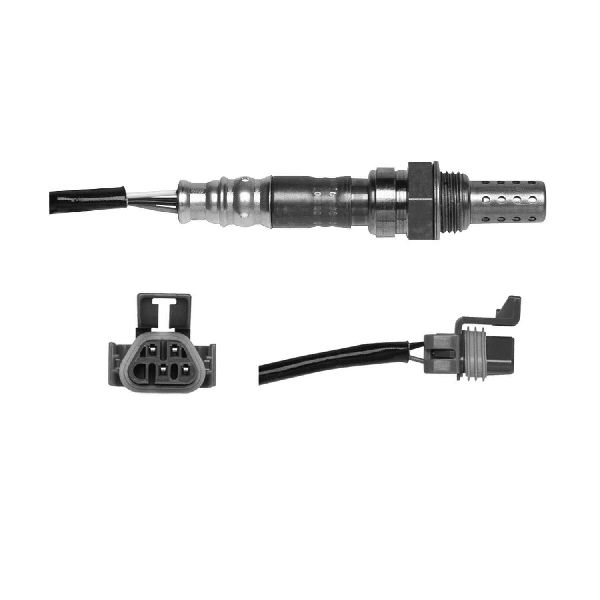
Most 1996-2008 Pontiac Grand Prix models with the 3.1L or 3.8L V6 engine use a heated 4-wire oxygen sensor. The upstream (Bank 1, Sensor 1) and downstream (Bank 1, Sensor 2) sensors are different parts. Part numbers vary significantly by model year, engine, and emissions package (Federal vs. California). Always verify the part by your vehicle's VIN.
We Have This Part in Stock

The information in this article is provided for general reference and educational purposes only. Vehicle specifications, procedures, and part compatibility can vary by production date, trim level, and region. Always consult your vehicle's factory service manual and verify part numbers before purchasing or performing repairs. Safety-critical components such as airbags, seat belts, and braking systems should be installed by a qualified professional.
- Pontiac Grand Prix:
- 🎬 Helpful Videos
- 🛍️ Shop This Part
- Symptoms of a Failing Oxygen Sensor in a Grand Prix
- A Note on Code P0171 (System Too Lean)
- Choosing the Right Aftermarket Oxygen Sensor
- Premium & OEM-Equivalent Brands
- Reputable Aftermarket Brands
- Value Brands
- Common Ordering Mistakes
- Oxygen Sensor Replacement Cost
- Frequently Asked Questions
- 🎟️ Get 5% Off