

Chevrolet Impala Fuel Pump Module Assembly Guide (1996-2011)
Dealing with a no-start, stalling, or a whining from the back of your Impala? It could be the fuel pump.
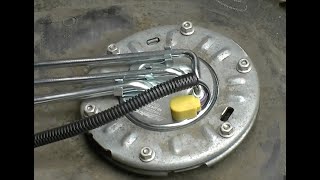
- For 2000-2005 models, use the trunk access panel to avoid dropping the fuel tank.
- For reliability, choose a premium aftermarket brand like Delphi or Bosch, as the labor is too intensive to risk a cheap part.
- Always replace the entire fuel pump module, not just the pump, to also fix common fuel gauge problems.
- A stalling engine is a major symptom; this can be a serious safety risk while driving.
Is Your Impala's Fuel Pump Failing?
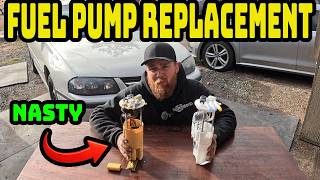
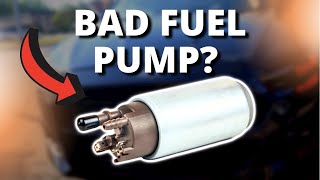
A failing fuel pump in the 1996-2011 Impala doesn't usually quit without warning. Owners often report a few key symptoms before total failure. Recognizing these signs can save you from being stranded. The most common issue is the car cranking but not starting, especially after it has been sitting. You might also hear a loud whining or humming noise from the rear of the car, near the fuel tank area. Other signs include the engine stalling, especially when it's hot or under load, hesitation when you accelerate, and a noticeable loss of power. 🎬 Watch: A visual guide to common bad fuel pump symptoms An erratic or incorrect fuel gauge reading is also a common problem, as the sending unit on the module fails.
Known Issue: Fuel Level Sensor Failure
A very common problem on these GM vehicles is the failure of the fuel level sensor, which is part of the module assembly. This is often caused by sulfur in gasoline corroding the contacts on the sensor over time. The result is a fuel gauge that reads empty when the tank is full, or jumps around erratically. While the car will still run, you won't know how much fuel you have. Because it's part of the module, the only fix is to replace the entire assembly.
OEM vs. Aftermarket: Choosing the Right Replacement
When replacing the fuel pump module, you have a choice between OEM (Original Equipment Manufacturer) and aftermarket parts. For the Impala, ACDelco is the original GM parts supplier. Aftermarket brands offer a wider range of prices and, sometimes, quality.
- Top Tier (OEM-Equivalent): Brands like Delphi and Bosch are excellent choices. Delphi was a major OEM supplier for GM, and their parts are known for quality and reliability that often matches the original factory part. Many professional mechanics prefer using Delphi for GM vehicles. Bosch is another globally recognized brand with a strong reputation for fuel system components.
- Mid-Grade/Value: Brands like Carter and GMB offer a good balance of price and quality. They are often more affordable than the top-tier brands and provide reliable performance for daily driving. Carter, in particular, has a long history in fuel systems.
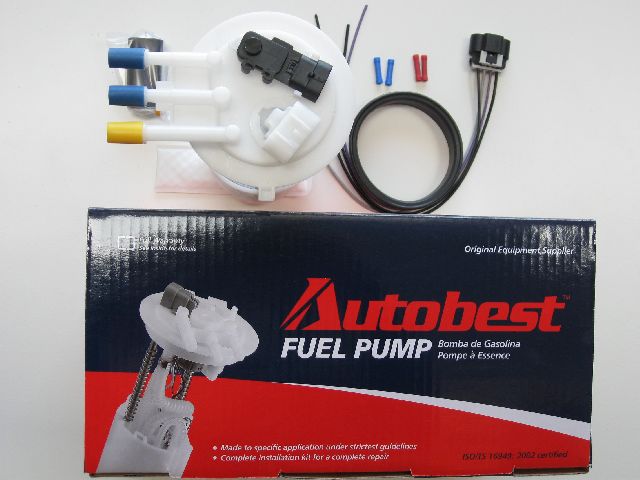
- Economy: Brands like AutoBest, Dorman, URO Parts, and US Motor Works fall into the economy or budget-friendly category. While the lower price is appealing, be aware that forum discussions and mechanic opinions sometimes point to a shorter lifespan or higher chance of premature failure with budget-tier pumps. Dorman is well-known for a wide variety of parts, but their fuel pumps may not have the same long-term reliability as an OEM or premium aftermarket brand.
Pro Tip: Given the difficult labor involved in replacing the fuel pump, it's often worth spending more on a high-quality part like Delphi or Bosch to avoid doing the job twice. Always replace the complete module assembly, not just the pump motor itself. This ensures all related components, like the sender and strainer, are new.
Cost of Replacing Your Impala's Fuel Pump
The cost can vary significantly based on the parts you choose and whether you do the work yourself or have a shop do it. The labor is intensive because the fuel tank must be removed to access the pump.
| Item | Estimated Cost |
|---|---|
| New Aftermarket Fuel Pump Module | $99 - $428 |
| New OEM (ACDelco) Fuel Pump Module | $250 - $500+ |
| Shop Labor | $300 - $485 |
| Total Professional Replacement | $1,154 - $1,371 (including parts and labor) |
Frequently Asked Questions
Do I have to drop the gas tank to replace the fuel pump?
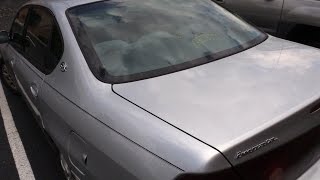
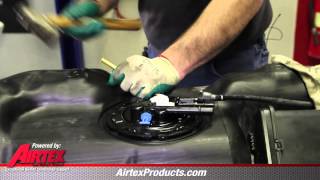
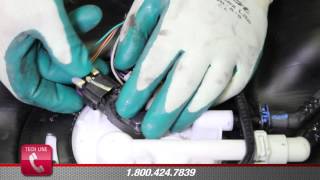
For 2006-2011 Impalas, yes, you must drop the fuel tank 🎬 Watch: Step-by-step fuel pump replacement for 2006-2011 models to access and replace the fuel pump module. However, for the 2000-2005 generation, Chevrolet included an access panel in the trunk, under the carpet, which allows you to replace the pump without removing the tank, making the job much easier. 🎬 See how to use the 2000-2005 trunk access panel For 1996 models, dropping the tank is also required.
Are there any recalls for the fuel pump on the 1996-2011 Impala?
My search did not find any specific recalls from the NHTSA for the fuel pump module itself on 1996-2011 Chevrolet Impalas. There were recalls for other issues, including an ignition switch problem that could cause the engine to shut off, mimicking a fuel pump failure.
Why did my fuel pump fail?
Fuel pumps can fail for several reasons. The most common is simple wear and tear over many miles. Other causes include frequently running the gas tank near empty (the fuel acts as a coolant for the pump motor), contamination from dirt or rust in the tank, or electrical issues like a bad relay or wiring.
Should I also replace the fuel filter and relay?
Yes. It is highly recommended to replace the in-line fuel filter (if equipped) whenever you install a new fuel pump to prevent contaminants from damaging the new pump. Checking and possibly replacing the fuel pump relay is also a smart, inexpensive step, as a faulty relay can cause the new pump to fail or not work at all.
Helpful Videos
Technical Specifications
OEM Part Numbers: 19177237 19303294 25345014 MU1378 MU1743
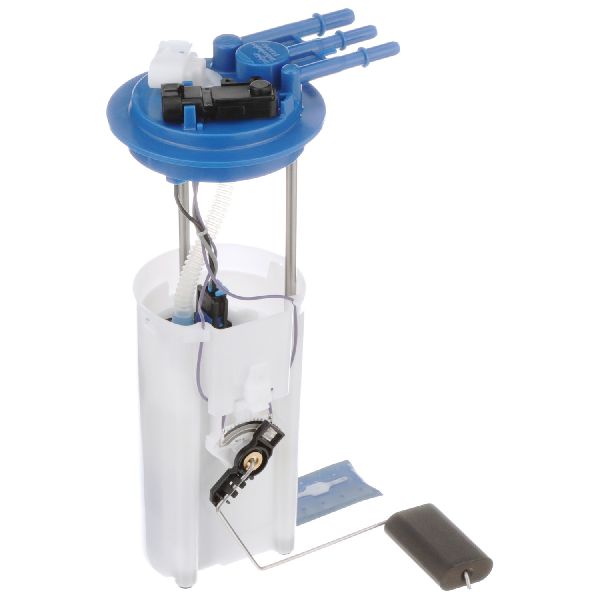
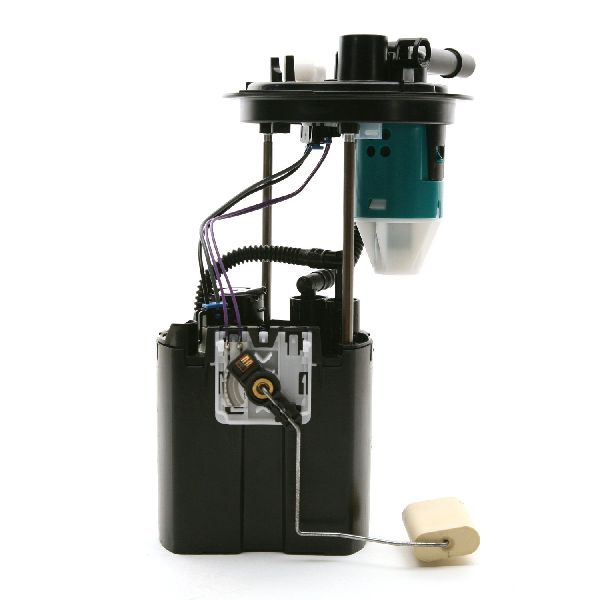
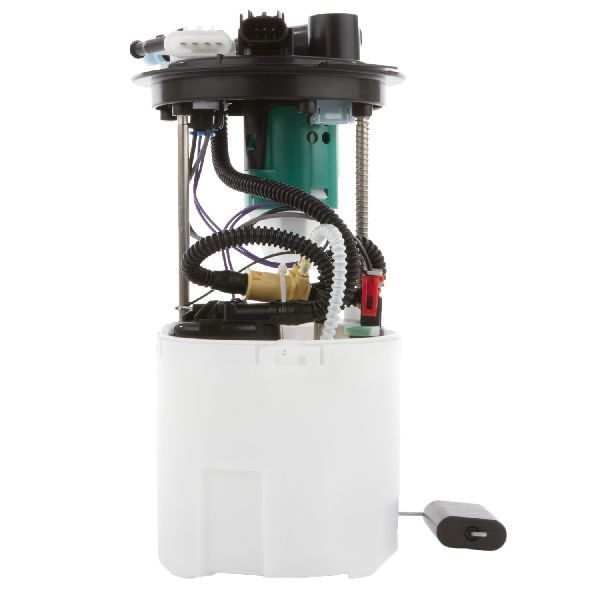
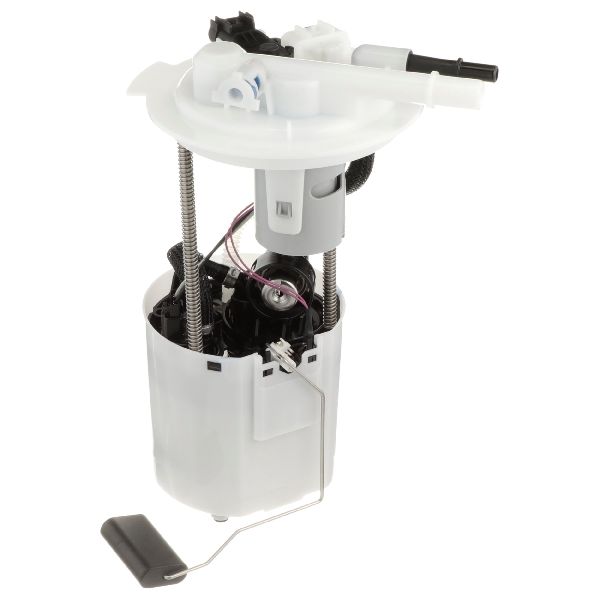
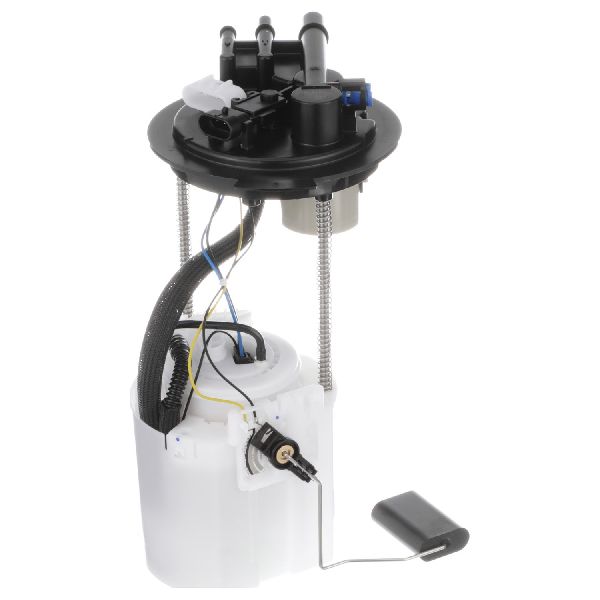
The fuel pump module is an in-tank design. It is a turbine-style electric pump integrated with a fuel level sender, strainer, and reservoir. The assembly is secured in the tank by a locking ring. Different part numbers exist for V6 and V8 models, as well as for FlexFuel (E85) compatible vehicles, so verifying the correct application is critical.
We Have This Part in Stock

The information in this article is provided for general reference and educational purposes only. Vehicle specifications, procedures, and part compatibility can vary by production date, trim level, and region. Always consult your vehicle's factory service manual and verify part numbers before purchasing or performing repairs. Safety-critical components such as airbags, seat belts, and braking systems should be installed by a qualified professional.
- Chevrolet Impala: