

Freightliner Century Class (1996-2011) Radiator Coolant Hose Guide
Keep your engine cool and avoid a costly breakdown by knowing when and how to replace your radiator hoses.
- A leaking, bulging, or soft radiator hose requires immediate attention to prevent engine overheating and catastrophic failure.
- No specific recalls for radiator hoses exist for the 1996-2011 Century Class; failure is considered a maintenance issue.
- Gates, Dayco, and Continental are all reliable aftermarket brands; Gates is often preferred by mechanics for best fitment.
- Always verify your truck's specific engine before ordering, as hose shapes vary greatly, and always replace hose clamps with the hoses.
Signs of a Failing Radiator Hose
A bad radiator hose is a problem you can't ignore. For a working truck, a sudden coolant loss means expensive downtime and the risk of catastrophic engine damage. Check your hoses regularly for these clear warning signs:
- Visible Coolant Leaks: This is the most obvious symptom. You may find puddles of green, orange, or pink fluid under the front of your truck. You might also see white or colored crusty residue around the hose clamps where coolant has been slowly seeping and evaporating.
- Physical Hose Damage: When the engine is cool, squeeze the hoses. They should feel firm and pliable. If a hose feels rock-hard, brittle, mushy, or spongy, it's time for a replacement. Also, look for cracks, splits, or abrasions on the surface.
- Bulging or Swelling: If you see a section of the hose that looks swollen like a balloon, it means the internal reinforcement has failed. This hose is at high risk of bursting and should be replaced immediately.
- Engine Overheating: If your temperature gauge is climbing into the red, a failing hose could be the cause. A hose can sometimes collapse inward, creating a blockage that restricts coolant flow even if it's not visibly leaking.
Choosing the Right Aftermarket Hose
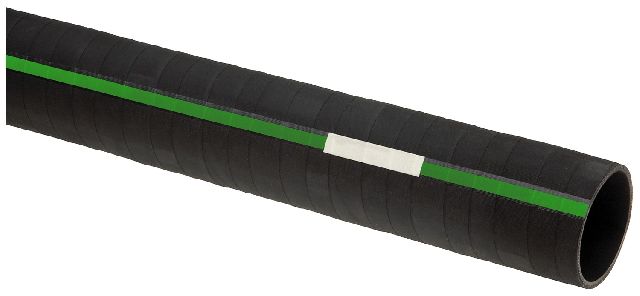
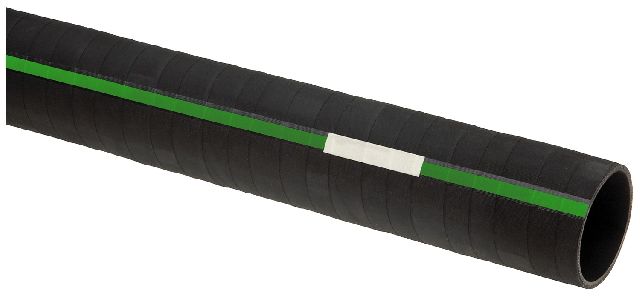
For the Freightliner Century Class, there isn't a significant quality difference between OEM and top-tier aftermarket hoses from brands like Gates, Dayco, and Continental. The primary difference often comes down to price and, occasionally, the exactness of the fit. All three are reputable manufacturers that produce reliable hoses made from EPDM rubber designed to resist heat and chemicals.
Pro Tip: Check Your Engine
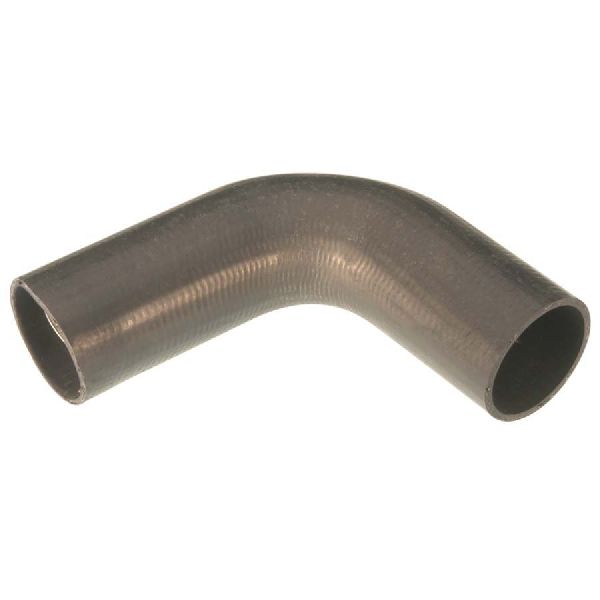
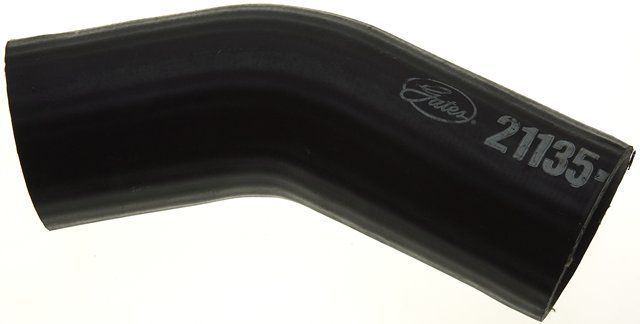
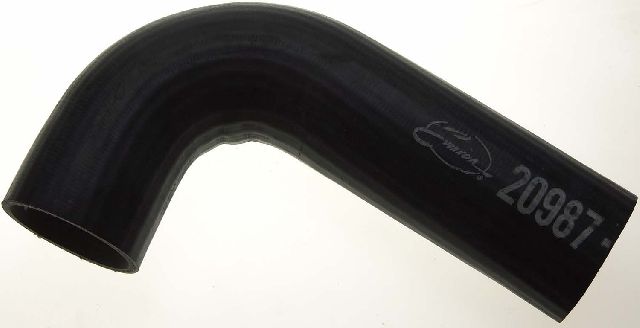
The 1996-2011 Century Class was available with several different engines (e.g., Detroit Diesel, Cummins, Caterpillar). This means there are many different shapes of radiator hoses. Always confirm your truck's specific engine to ensure you order the correct upper and lower hoses. There is no 'one-size-fits-all' for this part.
Brand Tiers: Gates vs. Dayco vs. Continental
- Gates: Often considered the industry standard by mechanics. Gates is well-regarded for having excellent cataloging and hoses that typically fit perfectly right out of the box, closely matching the original part's shape and bends.
- Dayco: A well-known brand that also produces quality hoses. Some users report that Dayco hoses feel slightly thicker or more robust. However, there are occasional complaints in forums about fitment issues, where a hose might be slightly off in shape, requiring more effort to install.
- Continental: A major OEM supplier and a trusted name in rubber products. While less frequently discussed in forums compared to Gates and Dayco for this specific part, they are known for producing high-quality, reliable hoses.
Verdict: You can confidently use any of these three brands. The best choice often comes down to price and availability. If a perfect, hassle-free fit is your top priority, Gates is often the preferred choice among mechanics.
Important: Replace the Clamps!
Always replace your hose clamps when you replace your hoses. Old clamps can lose their tension over time and may not provide a secure seal, leading to leaks even with a new hose. For heavy-duty trucks, many mechanics prefer constant-tension spring clamps over standard worm-gear clamps to better handle heat-related expansion and contraction.
Known Issues, Recalls, and TSBs
Our search of the NHTSA database and other technical sources found no specific recalls or Technical Service Bulletins (TSBs) for radiator coolant hose failures on the 1996-2011 Freightliner Century Class. While recalls do exist for this truck for other issues like reflective tape and an intake air heater, the cooling hoses themselves have not been the subject of a specific safety campaign. Hose failure is typically considered a normal wear-and-tear maintenance item.
Estimated Replacement Costs
The cost to replace radiator hoses can vary based on your engine type and local labor rates. Keep in mind that replacing the coolant is part of the job.
| Part or Service | Estimated Cost |
|---|---|
| New Aftermarket Hoses (Upper & Lower) | $55 - $250 |
| New OEM Hoses (Upper & Lower) | $90 - $400 |
| Shop Labor (including coolant flush/refill) | $200 - $400 |
Note: Costs are estimates and can vary based on your specific truck configuration and regional labor rates.
Frequently Asked Questions (FAQ)
If one hose is bad, should I replace all of them?
Yes. It is highly recommended. All the hoses on your truck have been exposed to the same heat, pressure, and age. If one has failed, the others are likely near the end of their service life. Replacing them all at once is smart preventative maintenance that can save you from another breakdown down the road.
How often should I replace my radiator hoses?
There is no exact mileage interval, but a good rule of thumb for a commercial truck is to inspect them at every service and consider replacing them proactively every 4-5 years or around 100,000 miles, especially if you don't know their history.
What is the difference between the upper and lower hose?
The upper hose carries hot coolant from the engine to the radiator. The lower hose brings cooled coolant back to the engine. The lower hose often has an internal spring to prevent it from collapsing under the suction of the water pump. They are not interchangeable.
My lower hose is sucked flat when the engine is cold. What's wrong?
This is usually caused by a faulty radiator or surge tank cap. The cap is designed to let air back into the system as the coolant cools and contracts. If it fails, a vacuum is created, which can collapse the lower hose. While the hose may be okay, you should replace the cap to fix the root cause.
Technical Specifications
OEM Part Numbers: 05-16840-000
Material: EPDM Rubber. Reinforcement: Multi-ply synthetic fabric. Temperature Rating: Varies by manufacturer, typically rated for -40°F to 275°F. Note: Part numbers and hose shapes are highly dependent on the specific engine (Detroit, Cummins, etc.) and year.
We Have This Part in Stock

The information in this article is provided for general reference and educational purposes only. Vehicle specifications, procedures, and part compatibility can vary by production date, trim level, and region. Always consult your vehicle's factory service manual and verify part numbers before purchasing or performing repairs. Safety-critical components such as airbags, seat belts, and braking systems should be installed by a qualified professional.
- Freightliner Century Class: