

A Comprehensive Guide to the Engine Coolant Temperature Sensor for the 1996-2016 BMW 328i
Is your BMW 328i running rough, getting poor gas mileage, or overheating? A faulty coolant temperature sensor could be the culprit.
- Your 1996-2016 328i can have different sensor locations (engine head vs. radiator hose) depending on the generation; verify before buying.
- Symptoms range from poor fuel economy and a check engine light to serious issues like overheating and black smoke.
- For reliability, choose aftermarket brands that are known OEM suppliers for BMW, such as Vemo, Delphi, or Bosch.
- Replacement is a feasible DIY task for accessible sensors, but some E46 models require removing the intake manifold, a much larger job.
Understanding Your 328i's Coolant Temp Sensor Setup

The 1996-2016 BMW 328i spans four distinct generations (E36, E46, E90, and F30), and the location and number of coolant temperature sensors can vary significantly. It's crucial to know which setup your car has before ordering a part.
- E36 (1996-1999): These models typically have a primary sensor for the engine computer (DME) located on the cylinder head.
- E46 (1999-2000): The E46 328i uses two sensors. The main sensor that reports to the DME is notoriously difficult to access, as it is located underneath the intake manifold. 🎬 Watch this guide to find and replace the E46 sensor. A second sensor, which is much easier to replace, is located on the lower radiator hose and primarily helps control the electric cooling fan.
- E90 (2007-2013): Similar to the E46, the E90 often has two sensors. The main sensor is screwed into the cylinder head near the oil filter housing and is relatively easy to replace. A second sensor is located on the lower radiator hose on the passenger side, which helps regulate the cooling fan.
- F30 (2012-2016): The F30 328i with the N20/N26 engine has a primary temperature sensor on the cylinder head, located at the front of the engine. It may also have a sensor integrated into the thermostat housing or on a radiator hose.
Choosing the Right Aftermarket Sensor

When your sensor fails, you don't have to pay dealership prices for a new one. The aftermarket offers several quality options, but it's wise to choose a reputable brand to avoid premature failure and incorrect readings. Sensors from unknown brands can send faulty data to your engine's computer, leading to the same problems as a failed sensor.
🎬 See how to test your sensor before buying a replacement.Brand Quality Tiers
- OEM Supplier & Premium Aftermarket: Brands like Delphi, Vemo, NGK/NTK, and Bosch are often original equipment manufacturers or suppliers for BMW and other German automakers. They offer the highest quality and most reliable performance, making them a top choice for a critical part like this. Febi Bilstein is another trusted name in European car parts.
- Reliable Aftermarket: Brands such as Standard Ignition (SMP) and Beck Arnley have a long-standing reputation for producing quality replacement parts that meet or exceed OEM specifications. They provide a good balance of price and reliability.
- Budget-Friendly Options: Brands like URO Parts and Walker Products offer a more affordable alternative. While they can be a good value, quality can sometimes be inconsistent compared to premium brands. URO does offer a 'URO Premium' line with improved components.
Common Ordering Mistake
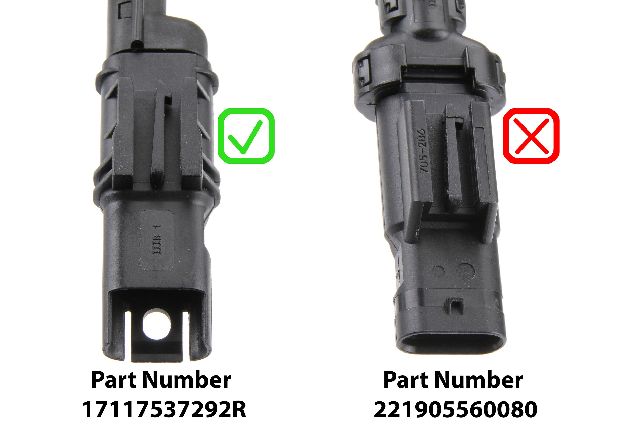
The most common mistake is ordering the wrong sensor. Because some 328i models have two different sensors (one on the engine block, one on a radiator hose), you must verify the location of the failed sensor before purchasing a replacement. They are not interchangeable.
Installation Overview

For sensors located on the cylinder head or a radiator hose, replacement is a straightforward DIY job for most home mechanics. The job typically takes 30-60 minutes.
- Let the engine cool completely. Opening a hot cooling system is extremely dangerous.
- Locate the sensor. Refer to the generation guide above.
- Have a drain pan ready. Some coolant will spill when the sensor is removed. You can minimize loss by working quickly.
- Disconnect the electrical connector.
- Unscrew or unclip the old sensor. A 22mm wrench is often required for the cylinder head sensor. The hose-mounted sensors are typically held in by clips.
- Install the new sensor. Ensure the new O-ring or sealing washer is in place to prevent leaks.
- Reconnect the electrical connector and top off the coolant.
Pro Tip: On E90 models, the O-ring for the radiator outlet sensor is a common failure point that causes slow coolant leaks. If you are replacing this sensor, consider replacing the entire lower radiator hose if it is old, as the plastic can become brittle.
🎬 Watch: How to replace the E90 radiator outlet temperature sensor.Related Issues: Recalls and TSBs
While there are no specific recalls for the coolant temperature sensor itself, there are important related service bulletins for certain 328i models:
- F30 Water Pump Recall (NHTSA 24V-608): Affects 2012-2016 328i models. The electric water pump connector can short circuit, posing a fire risk.
- F30 Thermostat Warranty Extension: BMW extended the warranty on the engine coolant thermostat for many 2012-2015 328i models to 10 years/120,000 miles. A faulty thermostat can cause similar symptoms to a bad sensor.
Frequently Asked Questions
How many coolant temperature sensors does my 328i have?
It depends on the generation. E46 and E90 models often have two: a main sensor on the engine and a secondary one on the lower radiator hose. E36 and F30 models may have one or more sensors in different locations. Always verify the specific part you need.
Do I need to drain all the coolant to replace the sensor?
No, a full drain is not usually necessary. However, you will lose some coolant when the sensor is removed, so have a catch pan ready. You must top off the system with the correct BMW-approved coolant afterward.
Can I just clean the old sensor?
No. The sensor fails internally due to age and heat cycles, not because it is dirty. Cleaning will not fix the electrical component inside. Replacement is the only solution.
What is the difference between the sensor on the engine and the one on the radiator hose?
The sensor on the cylinder head directly measures the engine's operating temperature for the main computer (DME). The sensor on the radiator outlet hose measures the temperature of the coolant after it has been cooled by the radiator, and this reading is primarily used to control the speed of the electric cooling fan.
Helpful Videos
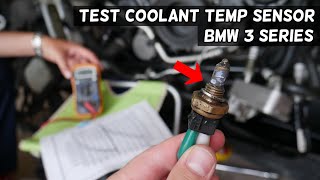

Technical Specifications
OEM Part Numbers: 13621433077 13621433076 13621703993 61318363677
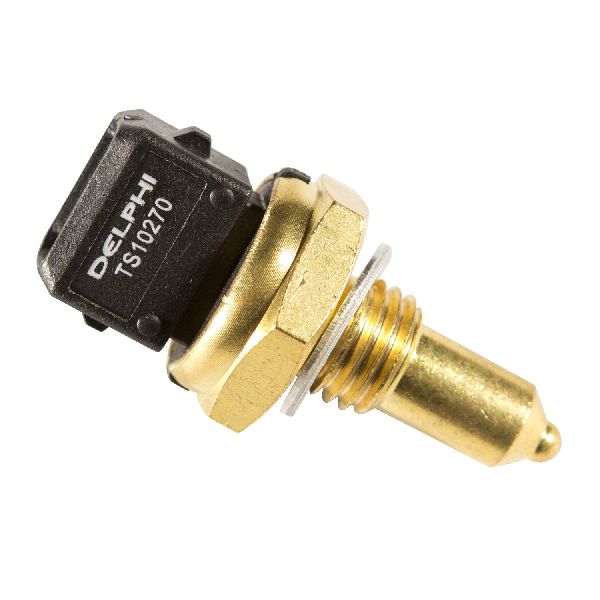
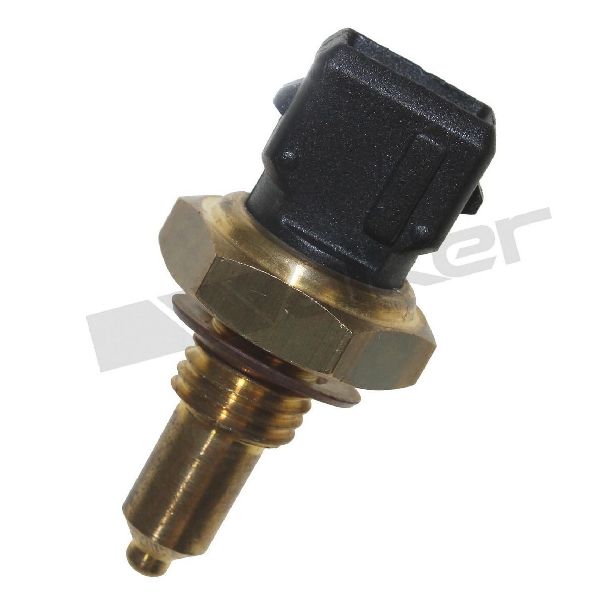
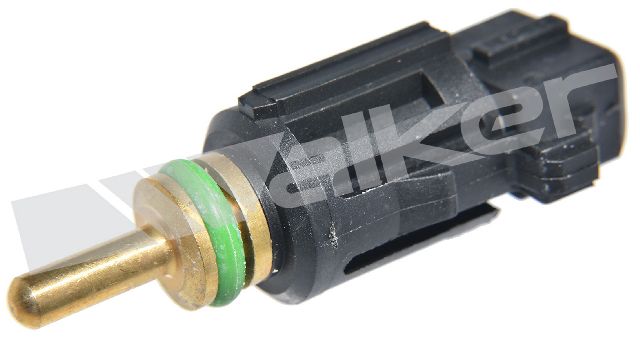
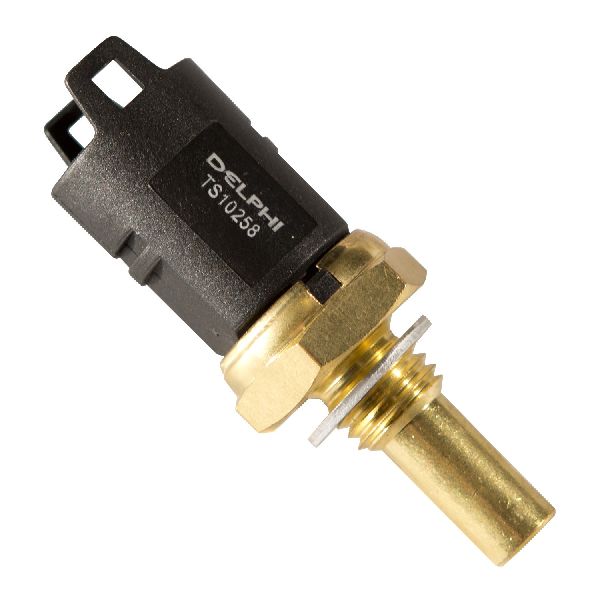
The Engine Coolant Temperature Sensor is a thermistor, meaning its electrical resistance changes with temperature. It typically has a 2-pin electrical connector and a threaded or clip-in body with a brass or copper tip that sits in the coolant path. The seal is made by either a metal crush washer or a rubber O-ring.
We Have This Part in Stock


The information in this article is provided for general reference and educational purposes only. Vehicle specifications, procedures, and part compatibility can vary by production date, trim level, and region. Always consult your vehicle's factory service manual and verify part numbers before purchasing or performing repairs. Safety-critical components such as airbags, seat belts, and braking systems should be installed by a qualified professional.
- BMW 328i: