

Toyota 4Runner Universal Joint: A Guide for 1996-2022 Models
Hearing a clunk or feeling a vibration in your 4Runner? Your U-joints might be the cause.
- A clunk when shifting or a vibration at speed are the most common signs of a failing U-joint on a 4Runner.
- Choose between a stronger, maintenance-free non-greasable U-joint or a serviceable greasable one that can be flushed for off-road use.
- For longevity, consider premium brands like Dana Spicer or Yukon Gear; for a balance of quality and value, look at SKF or Moog.
- If you have a lifted 4Runner, expect U-joints to wear faster due to increased driveshaft angles.
Signs of a Failing Universal Joint in a Toyota 4Runner


When a U-joint starts to wear out, your 4Runner will give you some clear warning signs. Ignoring them can lead to a driveshaft failure, which can cause serious damage and leave you stranded. Be aware of these common symptoms:
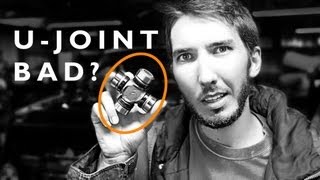
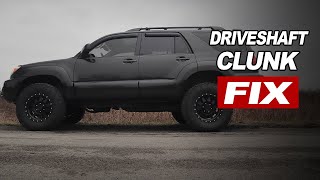
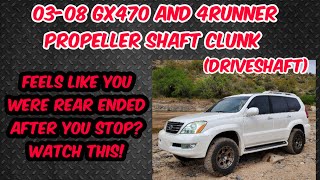
- Clunking or Thumping Noises: The most common symptom is a loud "clunk" or "pop" when you shift from Park into Drive or Reverse. Some 4th Gen owners describe a "thump" from the rear when coming to a stop, which can feel like you were lightly bumped from behind. 🎬 See how to diagnose and fix that rear-end thump noise.
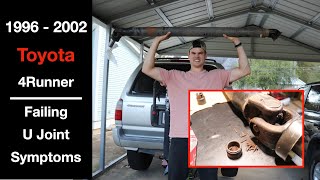
- Vibrations While Driving: A vibration that you can feel through the floor of the truck is a classic sign of a bad U-joint. This vibration usually starts at speeds around 40-55 mph and gets worse the faster you go. 🎬 Watch: Real-world examples of failing U-joint symptoms on a 4Runner. It may lessen when you take your foot off the gas and return when you accelerate again.
- Squeaking or Chirping: A constant, rotational squeak that gets faster as you drive can mean the U-joint has lost its grease and is wearing out.
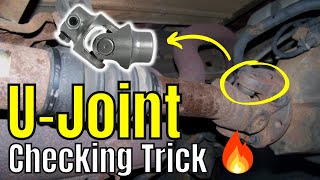
- Physical Looseness: If you can safely get under the truck, you can check for a bad U-joint by hand. Grab the driveshaft near the joint and try to shake it. If there is any play or movement, the joint is worn.
Known Issue: 4th Gen "Driveshaft Clunk"
There was a Technical Service Bulletin (TSB) for 4th Generation 4Runners (2003-2009) related to a clunking or thumping noise from the driveshaft's slip yoke when stopping or accelerating. While this is sometimes fixed by greasing the slip yoke, it often points to general wear in the driveline, including the U-joints.
Choosing the Right Aftermarket U-Joint

When replacing your U-joints, you have a choice between OEM and several aftermarket brands. For a part this important, quality matters more than price.
Greasable vs. Non-Greasable U-Joints
This is the biggest decision you'll make. Many factory Toyota U-joints are non-greasable, meaning they are sealed for life.
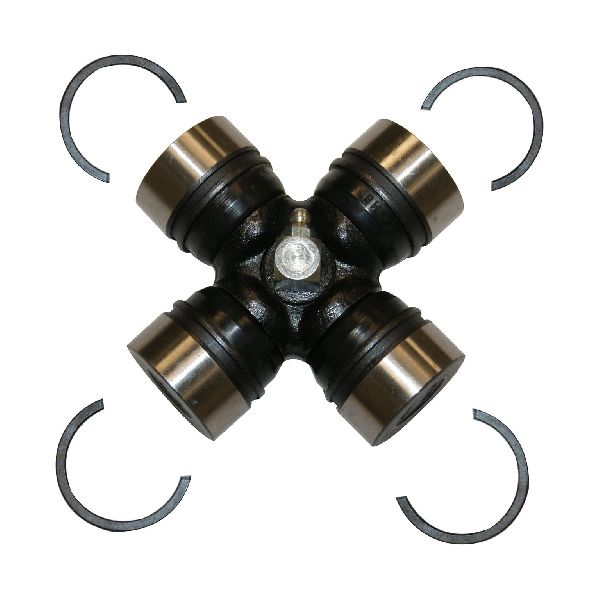
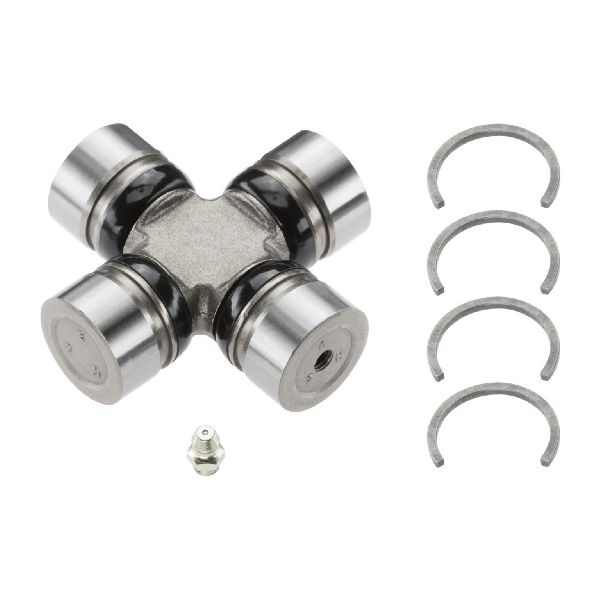
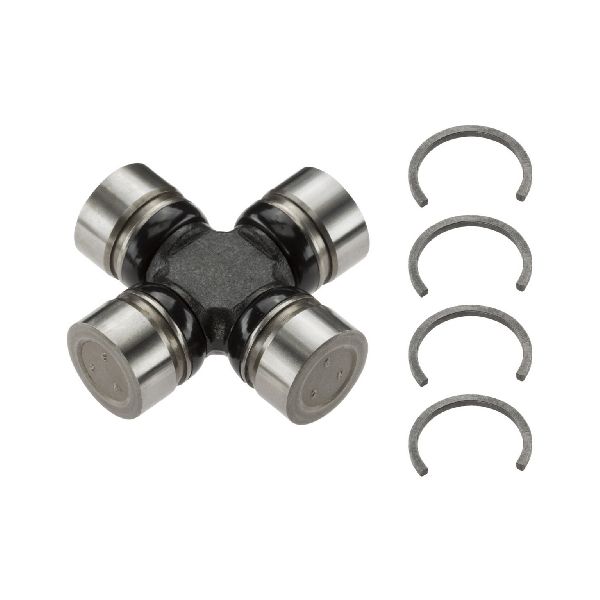
- Non-Greasable (Sealed): These joints are stronger because the main body (the cross) is solid steel. They require zero maintenance, which is a major benefit. However, you cannot add new grease if the seals are compromised by water or dirt.
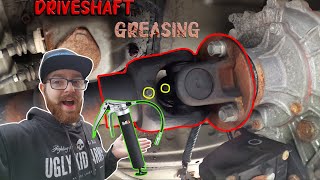
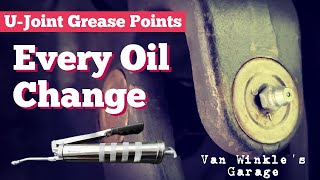
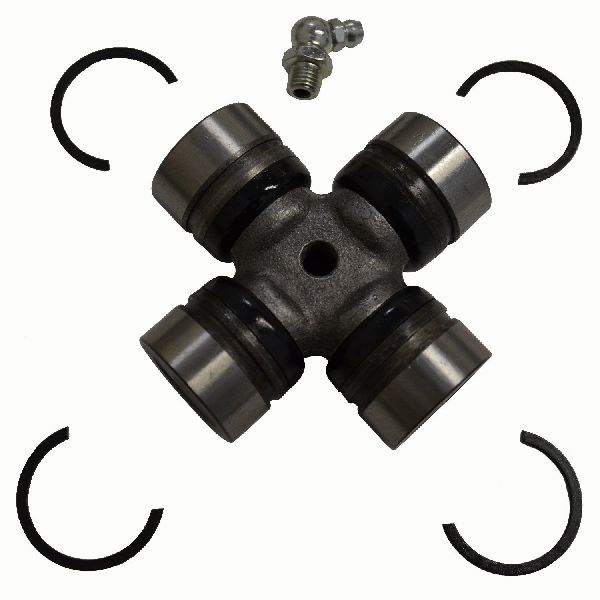
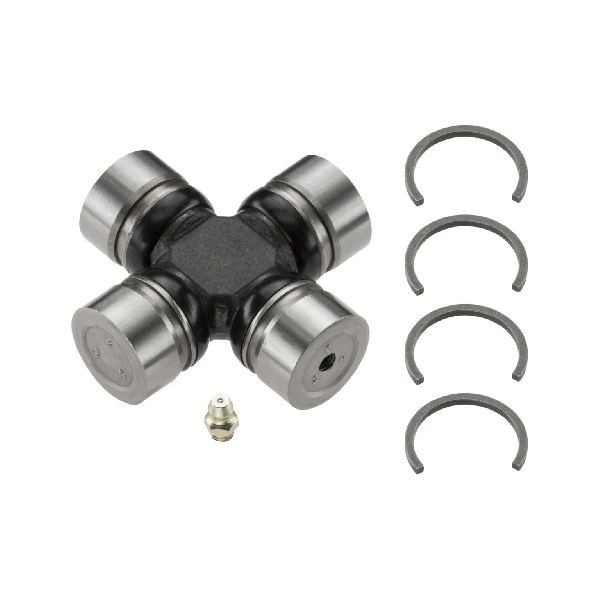
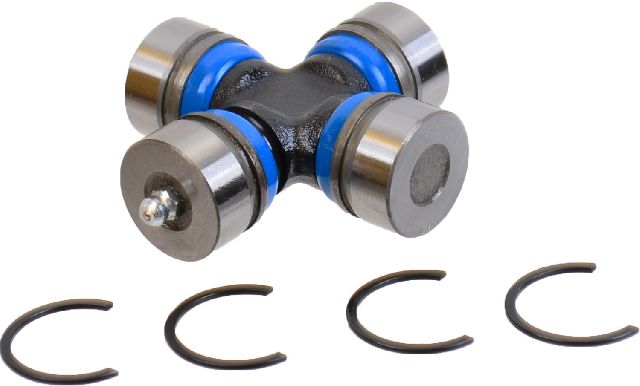
- Greasable: These have a small port (a zerk fitting) that lets you pump in fresh grease. This is great for flushing out contaminants, especially if you take your 4Runner off-road in mud or water. The downside is that the hole for the grease fitting makes the joint slightly weaker, and you *must* grease them regularly (like every oil change) or they will fail quickly.
Pro Tip: If you are diligent with maintenance and go off-roading, a greasable U-joint from a quality brand is a great choice. If you prefer a set-it-and-forget-it part with maximum strength, a premium non-greasable joint is the better option.
Aftermarket Brand Quality Tiers
Based on owner feedback and industry reputation, here is a general breakdown of the available brands:
- Premium Tier (OEM Quality or Better): Dana Spicer is a highly respected brand that is often an original equipment manufacturer for many vehicles. Their U-joints are known for quality engineering and long life. Yukon Gear & Axle specializes in high-performance and off-road drivetrain parts, making them an excellent choice for modified 4Runners or those used for heavy-duty applications.
- Quality Aftermarket Tier: SKF and Moog are well-known brands that offer reliable replacement parts. Moog offers different levels, like their "Super Strength" line, and most of their options are greasable. SKF is a leader in bearing technology, which is the heart of any U-joint.
- Standard/Economy Tier: GMB is a common choice for a standard, budget-friendly replacement that meets basic requirements.
Cost of Replacing a Toyota 4Runner U-Joint

| Part Type | Estimated Cost |
|---|---|
| New Aftermarket U-Joint | $21 - $66 |
| New OEM U-Joint (Spider Kit) | $60 - $115 |
| Shop Labor | $190 - $285 |
| Total Professional Replacement | $211 - $400+ |
Costs are estimates and will vary based on your location, vehicle model (2WD vs 4WD), and the specific repair shop.
Frequently Asked Questions
How many U-joints does a Toyota 4Runner have?
It depends on the model. A 2WD 4Runner typically has two U-joints on its rear driveshaft. A 4WD model has a rear driveshaft with two joints and a front driveshaft with another two joints. Some 4WD models also use a special "double cardan" joint at the transfer case, which contains two U-joints in one assembly, making the replacement more complex.
Is replacing a U-joint a DIY job?
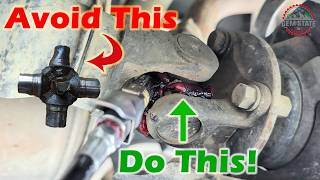
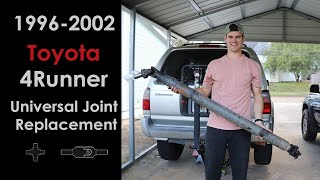
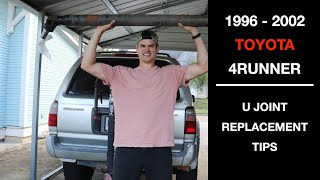
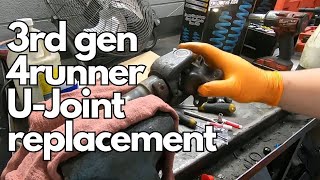
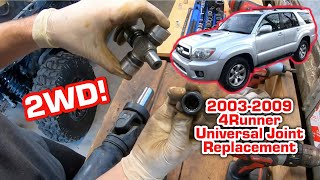
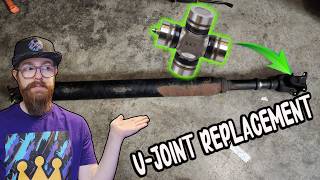
It can be, but it is a technical job. You need to safely support the vehicle, remove the driveshaft, and then use a powerful bench vise, a ball joint press, or a hammer and sockets to press the old joints out and the new ones in. It can be difficult, especially if the parts are rusted. If you are not comfortable with this kind of work, it's best to leave it to a professional. 🎬 Watch this step-by-step guide to replacing front and rear U-joints.
Do I need to get my driveshaft balanced after replacing the U-joints?
It is highly recommended, especially on older 3rd Gen 4Runners which are known to have driveshaft balance issues. Even with new U-joints, an unbalanced driveshaft will still cause vibrations. A professional driveline or repair shop can balance the shaft after the new joints are installed.
My 4Runner is lifted. Does that affect my U-joints?
Yes. Lifting your 4Runner increases the angle of the driveshaft, which puts more constant strain on the U-joints and can cause them to wear out faster. If you have a lift and experience new vibrations, your U-joint angles may be the cause.
Helpful Videos


Technical Specifications
OEM Part Numbers: 04371-60070 04371-35051 04371-60100 04371-0C010 04371-30041
Varies by driveshaft position (front/rear) and drivetrain (2WD/4WD). Some 4WD models require a double cardan joint assembly. Always verify fitment for your specific year and model.
We Have This Part in Stock

The information in this article is provided for general reference and educational purposes only. Vehicle specifications, procedures, and part compatibility can vary by production date, trim level, and region. Always consult your vehicle's factory service manual and verify part numbers before purchasing or performing repairs. Safety-critical components such as airbags, seat belts, and braking systems should be installed by a qualified professional.
- Toyota 4Runner:
- 🎬 Helpful Videos
- 🛍️ Shop This Part
- Signs of a Failing Universal Joint in a Toyota 4Runner
- Known Issue: 4th Gen "Driveshaft Clunk"
- Choosing the Right Aftermarket U-Joint
- Greasable vs. Non-Greasable U-Joints
- Aftermarket Brand Quality Tiers
- Cost of Replacing a Toyota 4Runner U-Joint
- Frequently Asked Questions
- 🎟️ Get 5% Off