

A Comprehensive Guide to the 1997-1998 Oldsmobile Regency Engine Coolant Temperature Sensor
Learn how a small sensor plays a big role in the performance and health of your Regency's 3.8L V6 engine.
- A failing ECT sensor directly impacts fuel economy, idle quality, and cooling fan operation on your Regency's 3.8L V6.
- Symptoms include a Check Engine Light (codes P0115-P0118), poor mileage, rough idle, and potential overheating.
- Replacement is simple and inexpensive, making it a smart preventative repair.
- High-quality aftermarket brands like Delphi and Standard Ignition offer OEM-level performance for less money.
- Crucially, check if your vehicle has had the unrelated but vital engine fire safety recall (15V-701) performed.
Is Your Regency's Temperature Sensor Failing?
A faulty Engine Coolant Temperature (ECT) sensor can cause a variety of problems that you might notice while driving. Because the sensor provides critical data to the engine's computer, a bad signal can lead to poor performance and potential damage if ignored. Symptoms often start small but can become more serious over time.
Key Failure Symptoms:
- Check Engine Light: This is often the first sign. The computer will detect a signal from the sensor that is out of its expected range and trigger a trouble code.
- Poor Fuel Economy: If the sensor incorrectly tells the computer the engine is cold, the system will run a rich fuel mixture, wasting gas.
- Black Smoke from Exhaust: A very rich fuel mixture caused by a bad sensor can result in unburned fuel exiting through the exhaust, appearing as black smoke.
- Engine Overheating: A failed sensor might not signal the computer to turn on the cooling fans when needed, causing the engine to overheat.
- Rough Idle and Hard Starts: The wrong fuel and air mixture can make the engine run poorly, especially when idling or trying to start it.
Important Vehicle Safety Notice
While researching this part, it's important to be aware of a major safety recall (NHTSA Campaign Number: 15V-701) for the 3.8L V6 engine used in your Regency. The recall addresses an issue where engine oil can leak from the valve cover gasket onto the hot exhaust manifold, creating a significant risk of an engine fire. This is unrelated to the coolant sensor, but all owners should ensure their vehicle has had the recall service performed by a GM dealer.
Choosing the Right Aftermarket Sensor
For a vehicle like the 1997-1998 Oldsmobile Regency, aftermarket parts offer excellent value. The technology for this sensor is well-established, and quality aftermarket brands can meet or exceed original specifications. Here's a breakdown of available brands:
- Top-Tier Aftermarket (Delphi, Standard Ignition): Delphi was a major original equipment (OEM) supplier for General Motors, so their parts are often identical to the factory original. Standard Ignition (from Standard Motor Products) is another highly respected brand known for quality electronic components that are designed to exceed OEM specs. You can trust these brands for reliability and proper fit.
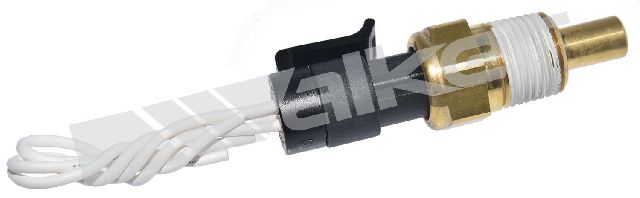
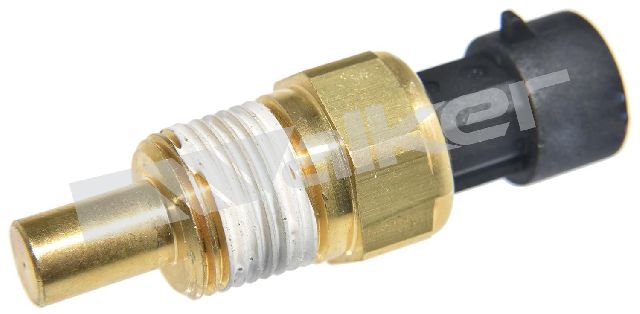
- Mid-Grade Aftermarket (Four Seasons, Walker Products): Four Seasons and Walker Products are solid, reliable choices. They produce a wide range of sensors that provide good performance and value. They are engineered to be direct-fit replacements and are a dependable option for most repairs.
- Economy Brands (True Tech): Economy brands offer the most budget-friendly option. While functional, they may not have the same long-term durability or precise manufacturing tolerances as the higher-tiered brands. They can be a suitable choice if the initial cost is the primary concern.
Installation Pro-Tip
When replacing the ECT sensor, do not apply thread sealant or tape to the threads unless it comes pre-applied. The sensor often needs to ground itself to the engine through its metal threads, and sealant can interfere with this connection, causing incorrect readings.
Expected Costs for Replacement
| Item | Estimated Cost |
|---|---|
| New Aftermarket Part | $20.81 - $36.51 |
| New OEM Part (ACDelco) | $45 - $70 |
| Shop Labor | $50 - $100 |
| Total Professional Replacement | $71 - $137 |
Frequently Asked Questions
Where is the ECT sensor located on my 1997-1998 Oldsmobile Regency?
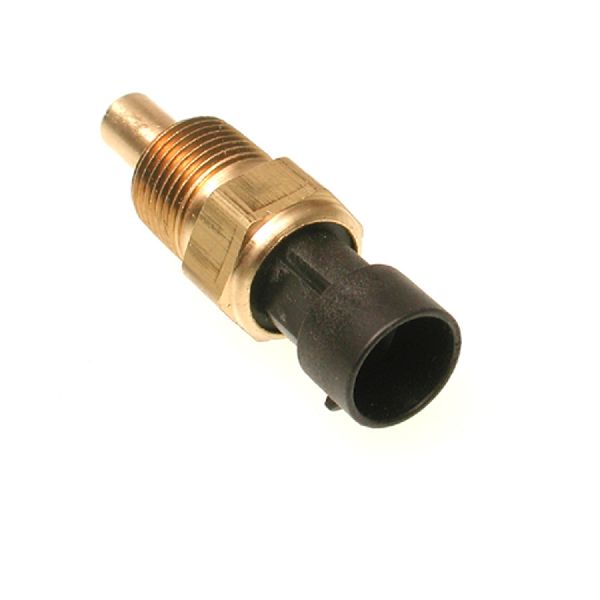
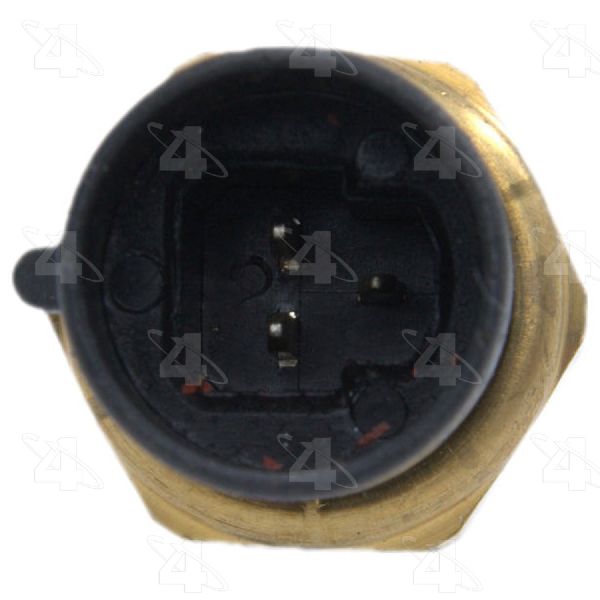
On the GM 3.8L V6 engine, the engine coolant temperature sensor is typically screwed into the lower intake manifold or the cylinder head, near the thermostat housing. It will have a two-wire electrical connector.
Can I replace the ECT sensor myself?
Yes, this is a very DIY-friendly job for most home mechanics. It requires basic hand tools, like a deep socket and ratchet. The main challenges are accessing the sensor, which may require removing other components, and minimizing coolant loss during the swap. The job can typically be done in under 30 minutes.
What happens if I don't replace a bad ECT sensor?
Ignoring a bad ECT sensor can lead to persistent poor fuel economy, failed emissions tests, and a constant Check Engine Light. In the worst-case scenario, it can lead to the engine overheating, which risks severe and expensive damage like a warped cylinder head or blown head gasket.
Is an OEM sensor better than aftermarket for my Regency?
For this specific part and vehicle, a high-quality aftermarket sensor from a brand like Delphi or Standard Ignition offers performance and reliability that is equivalent to the OEM part, but at a lower cost. Since Delphi was an OEM supplier to GM, their aftermarket part is an excellent choice. There is no significant advantage to paying the extra cost for a dealer-sourced OEM part in this case.
Technical Specifications
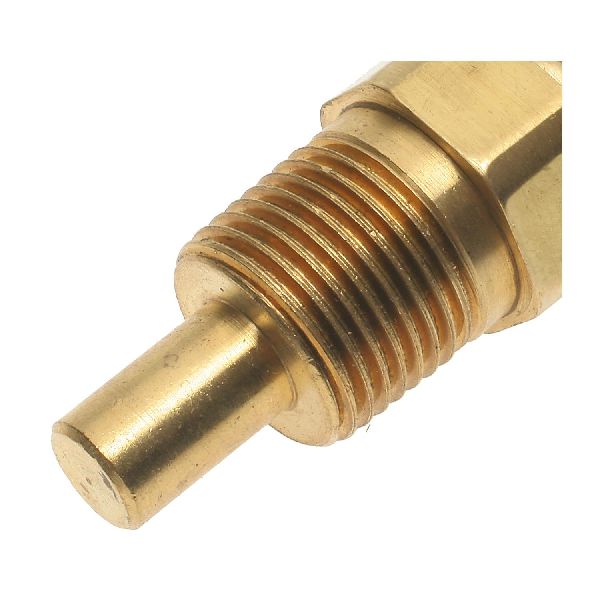
Two-pin connector, threaded body for installation into a coolant passage.
We Have This Part in Stock


The information in this article is provided for general reference and educational purposes only. Vehicle specifications, procedures, and part compatibility can vary by production date, trim level, and region. Always consult your vehicle's factory service manual and verify part numbers before purchasing or performing repairs. Safety-critical components such as airbags, seat belts, and braking systems should be installed by a qualified professional.
- Oldsmobile Regency: