

Engine Intake Manifold Temperature Sensor for the 1997-1998 Oldsmobile Regency
Understand the role of this small sensor in your Regency's 3.8L V6 engine and how to choose the right replacement.
- A failing IAT sensor on your Regency will cause poor gas mileage, rough running, and a Check Engine Light with codes P0112 or P0113.
- Replacement is extremely easy, takes less than 15 minutes, and is a great DIY task for any owner.
- The sensor is located in the black air intake tube between the air filter and the engine.
- For this part, a quality aftermarket brand like Standard Ignition is a reliable and cost-effective choice.
Symptoms of a Failing Intake Air Temperature Sensor
When the IAT sensor starts to fail, it sends incorrect information to the engine's computer. This can cause a variety of noticeable problems. The car's computer may try to compensate by using a default value, but performance and efficiency will suffer. You will likely notice one or more of the following symptoms:
- Check Engine Light: This is often the first and most obvious sign. The computer will store a diagnostic trouble code, most commonly P0112 (sensor circuit low) or P0113 (sensor circuit high).
- Poor Fuel Economy: If the sensor wrongly reports that the air is cold, the computer will inject too much fuel, causing the engine to run rich and waste gasoline.
- Rough Idle: An incorrect air-fuel mixture can make the engine idle erratically or feel shaky when you're stopped.
- Engine Hesitation: You might feel a stumble or delay when you press the gas pedal because the engine isn't getting the right fuel mixture for acceleration.
- Hard Starting: A bad sensor can make it difficult to start the engine, especially in very hot or cold weather, because the initial fuel mixture is wrong.
Choosing the Right Aftermarket Sensor
For a vehicle like the 1997-1998 Oldsmobile Regency, you don't necessarily need to find an expensive original equipment (OEM) part. Quality aftermarket sensors provide a reliable and affordable alternative. The two brands available, Standard Ignition and True Tech, represent different tiers in the aftermarket.
Standard Ignition (Standard Motor Products): Standard is a well-known and respected brand in the auto parts industry. They have been manufacturing parts for over 100 years and are often considered a premium aftermarket choice. Their sensors are designed to meet or exceed OE specifications, ensuring an accurate fit and reliable performance. For a critical but simple sensor like the IAT, Standard provides a high level of confidence and quality.
True Tech: True Tech appears to be a value-oriented brand, possibly a private label associated with repair shops or distributors like NAPA AutoCare. While there is less public data on the brand itself for sensors, parts sold under such labels are typically designed to be a cost-effective solution. For a simple component like an IAT sensor (which is a basic thermistor), a value brand can be a perfectly acceptable choice that performs the job correctly, especially given the low price point.
Pro-Tip
Given the small price difference between the two brands ($19.54 - $22.41), opting for the Standard Ignition sensor is a low-cost way to get a part with a longer and more established reputation for quality and reliability.
Cost to Replace the Intake Air Temperature Sensor
Below is a table comparing the estimated costs for replacing the IAT sensor on your Regency. Note that this is one of the easiest and cheapest repairs you can perform.
| Part Type | Estimated Part Cost | Estimated Labor Cost | Total Estimated Cost |
|---|---|---|---|
| New Aftermarket | $19 - $23 | $0 (DIY) | $19 - $23 |
| New OEM (GM/ACDelco) | $15 - $40 | $0 (DIY) | $15 - $40 |
| Shop Repair (Aftermarket Part) | $19 - $23 | $50 - $75 | $69 - $98 |
Cost estimates are based on national averages and may vary by location and supplier. Labor cost is based on a minimum shop charge of 0.5 hours.
Known Issues for the 3.8L V6 Engine
While there are no specific recalls for the IAT sensor on the 1997-1998 Regency, the 3.8L V6 engine in this era was known for issues with plastic intake manifold gaskets. When working in the intake area, it's always a good idea to inspect surrounding components for wear or damage.
Frequently Asked Questions
Where is the IAT sensor located on a 1997-1998 Oldsmobile Regency?
On the GM 3.8L V6 engine, the IAT sensor is located in the plastic air intake duct that runs between the air filter box and the engine's throttle body. It is a small, two-wire sensor that is pushed into a rubber grommet in the duct.
Can I replace this sensor myself?
Yes, absolutely. This is a very easy DIY job that requires no special tools and typically takes less than 15 minutes. You simply disconnect the electrical connector, pull the old sensor out of the intake tube, push the new one in, and reconnect the connector.
What happens if I don't replace a bad IAT sensor?
Your car will still run, but the engine computer will be in a "failsafe" mode. This will cause poor fuel economy, rough running, hesitation, and potentially higher emissions that could cause you to fail an inspection. Ignoring it long-term is not recommended.
Are there any recalls for this part?
No, there are no recalls from the NHTSA for the Engine Intake Manifold Temperature Sensor on the 1997-1998 Oldsmobile Regency.
Can I just clean the sensor instead of replacing it?
If the sensor is just dirty with oil or debris, you can try cleaning it gently with a dedicated Mass Airflow (MAF) sensor cleaner. However, if the sensor has failed internally (which is common), cleaning will not fix the problem. Given the low cost of a new sensor, replacement is often the most effective solution.
Technical Specifications
OEM Part Numbers: 25036751 25037225
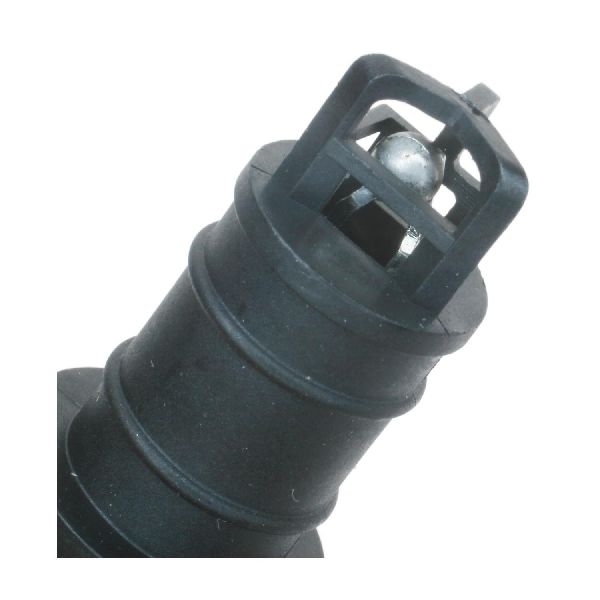
The sensor is a two-wire thermistor that pushes into a grommet in the air intake duct. The OEM part number is GM 25036751, which was replaced by 25037225.
We Have This Part in Stock


The information in this article is provided for general reference and educational purposes only. Vehicle specifications, procedures, and part compatibility can vary by production date, trim level, and region. Always consult your vehicle's factory service manual and verify part numbers before purchasing or performing repairs. Safety-critical components such as airbags, seat belts, and braking systems should be installed by a qualified professional.
- Oldsmobile Regency: