

Oxygen Sensor Guide for the 1997-1998 Oldsmobile Regency
Learn to spot a failing O2 sensor and pick the best new aftermarket part for your Regency's 3.8L V6 engine.
- Your 1997-1998 Regency has two oxygen sensors (upstream and downstream) that are not interchangeable.
- For best results and longevity, choose a direct-fit sensor from a reputable brand like Delphi, Denso, or NGK.
- A bad O2 sensor will cause a Check Engine Light, poor fuel economy, and will lead to a failed emissions test.
- Replacing a failing O2 sensor promptly can prevent expensive damage to your catalytic converter.
Is Your Oldsmobile Regency Running Rough? It Could Be an Oxygen Sensor.
If your 1997-1998 Oldsmobile Regency is suffering from bad gas mileage, a rough idle, or a Check Engine Light, a failing oxygen sensor is a likely suspect. These sensors live in a harsh environment and wear out over time, typically lasting between 60,000 and 100,000 miles. When they fail, they can't send the right signals to your engine's computer, leading to poor performance and potentially damaging other expensive parts like the catalytic converter.
Symptoms of a Bad Oxygen Sensor
- Check Engine Light: This is the most common sign. A code scanner will often show codes like P0131, P0135, P0141, or P0151.
- Poor Fuel Economy: If the engine computer gets bad information, it may use more fuel than necessary.
- Rough Idle or Misfires: An incorrect air-fuel mixture can cause your engine to run poorly.
- Failed Emissions Test: The O2 sensor is critical for controlling emissions, so a bad one will almost certainly cause you to fail a smog test.
- Rotten Egg Smell: In some cases, a very rich fuel mixture can lead to a sulfur smell from the exhaust.
Choosing the Right Aftermarket Oxygen Sensor
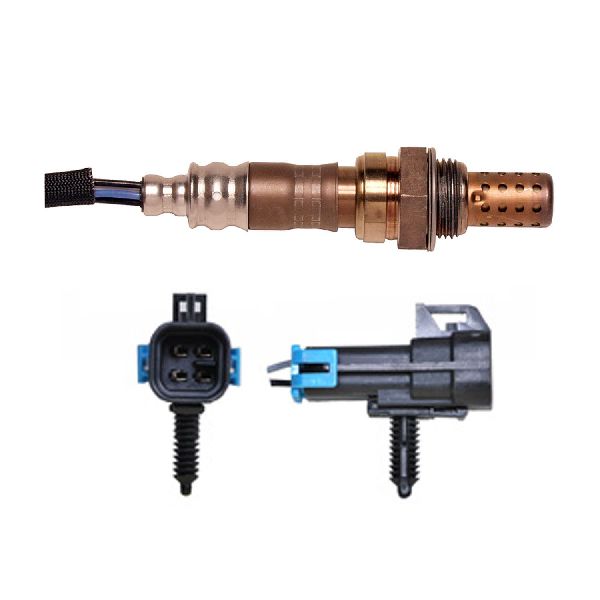
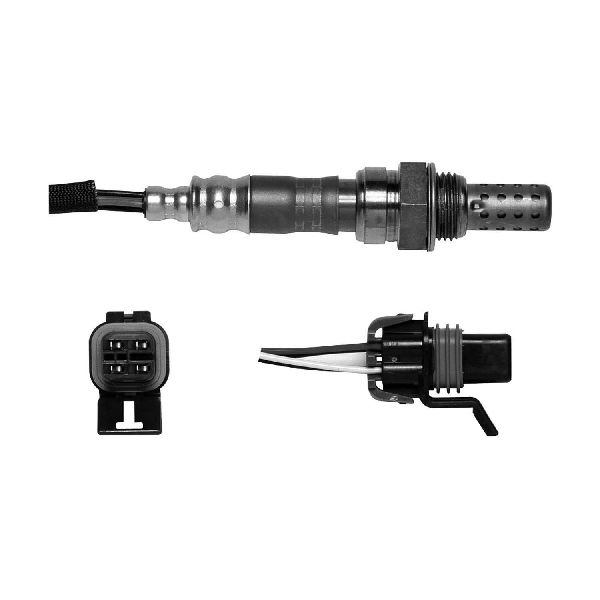
You don't need to buy the most expensive sensor to get good performance. For the 3.8L V6 in your Regency, several aftermarket brands offer excellent quality. Always choose a "direct-fit" sensor with the correct plug; avoid "universal" sensors that require you to splice wires.
Brand Tiers for Your Regency
Tier 1 - OEM-Equivalent Quality:
- Delphi: Often the original equipment (OEM) supplier for General Motors vehicles of this era. A Delphi sensor is a very safe and reliable choice.
- Denso & NGK/NTK: These are top-tier Japanese brands known for making high-quality sensors that often meet or exceed OEM standards. They are a highly recommended option for the GM 3800 engine.
Tier 2 - Reputable Aftermarket:
- Bosch: Bosch invented the oxygen sensor and makes quality parts. Just be sure to get the direct-fit model specific to your Regency, as their universal models can sometimes cause issues.
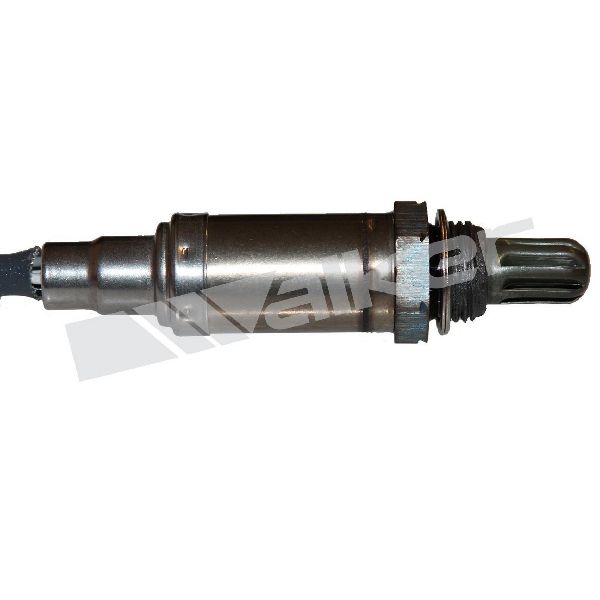
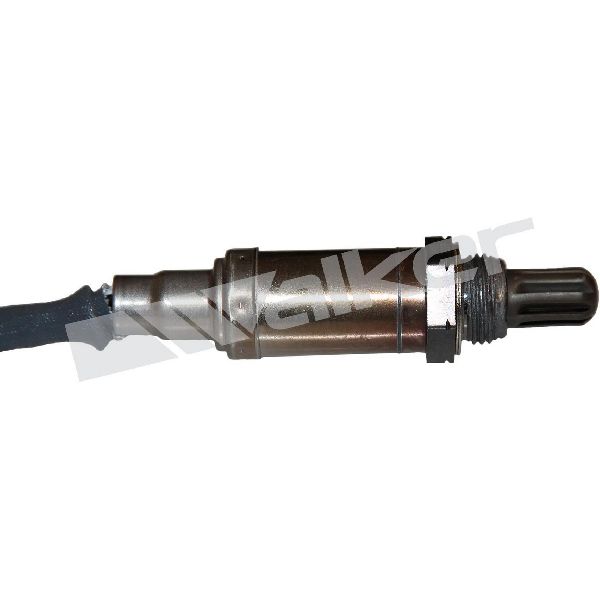
- Walker Products: A well-known aftermarket exhaust and emissions part manufacturer that offers reliable replacement sensors.
Tier 3 - Budget-Friendly:
- Spectra & DriveWire: These brands offer a more affordable option. While they can work fine, they may not have the same longevity or precise calibration as the higher-tier brands. They are a choice for those on a tight budget.
Upstream vs. Downstream
Your Regency has two sensors that are NOT interchangeable. The Upstream sensor (Bank 1, Sensor 1) is located in the exhaust manifold before the catalytic converter. The Downstream sensor (Bank 1, Sensor 2) is located after the catalytic converter. Make sure you order the correct one for the position you are replacing.
Frequently Asked Questions (FAQ)
How many oxygen sensors does my 1997-1998 Regency have?
Your vehicle is equipped with two oxygen sensors. One is located upstream (before) the catalytic converter, and the other is located downstream (after) it.
Can I just clean my old oxygen sensor?
No. Cleaning is not a reliable or long-term fix. The sensor fails because its internal components degrade over time. Replacement is the only proper solution.
Do I need a special tool to replace an oxygen sensor?
It is highly recommended. A special oxygen sensor socket, which has a slot for the wire to pass through, makes the job much easier. Sometimes the sensors can be very tight or rusted in place, and using the correct tool prevents damage.
Should I replace both sensors at the same time?
It's a good practice, especially on a high-mileage vehicle. Oxygen sensors age at a similar rate. If one has failed, the other may not be far behind. Replacing them together ensures the engine management system gets consistent readings from both.
Technical Specifications
OEM Part Numbers: 12558850 12561776 12562943 12567127 12567254 12590789
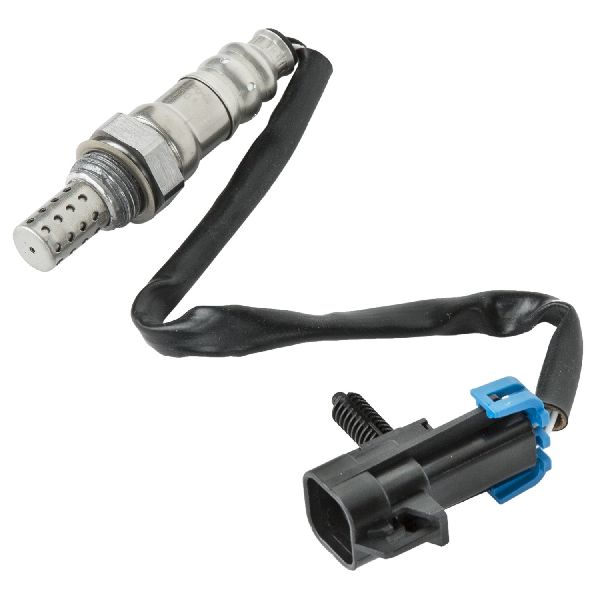
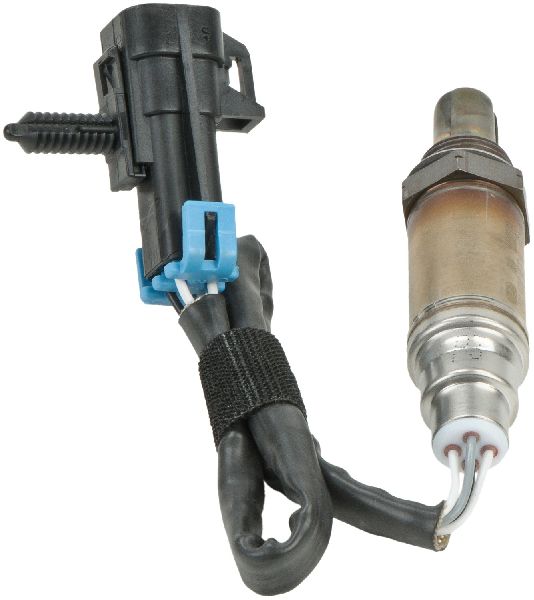
The 1997-1998 Oldsmobile Regency with the 3.8L V6 engine uses two heated, 4-wire oxygen sensors. The upstream sensor is located before the catalytic converter and the downstream sensor is located after it. Both sensors typically have an M18-1.50 thread size.
We Have This Part in Stock

The information in this article is provided for general reference and educational purposes only. Vehicle specifications, procedures, and part compatibility can vary by production date, trim level, and region. Always consult your vehicle's factory service manual and verify part numbers before purchasing or performing repairs. Safety-critical components such as airbags, seat belts, and braking systems should be installed by a qualified professional.
- Oldsmobile Regency: