

Throttle Position Sensor (TPS) Guide for 1997-1999 Acura CL
Understand the common failure points and learn how to choose the right replacement throttle position sensor for your first-generation Acura CL.
- Poor shifting in an automatic 1997-1999 CL is a primary symptom of a bad TPS, and should be investigated before suspecting a transmission failure.
- The original TPS is held on by break-off screws that must be cut or drilled for removal; replacement sensors come with standard screws.
- Aftermarket sensors are the most practical option, as dealers often only sell the complete throttle body assembly at a high cost.
- Calibration with a multimeter after installation is often required to ensure the sensor sends the correct voltage to the computer.
Is Your Acura CL Stalling or Shifting Poorly? It Could Be the TPS.
If you own a first-generation Acura CL, you know it's a reliable car. But as these vehicles age, certain electronic parts start to wear out. The throttle position sensor (TPS) is a common failure item that can cause confusing problems. It often leads to poor engine performance, and for automatic models, it can cause serious shifting issues that might be mistaken for a bad transmission. Before you suspect a major transmission problem, it's worth checking the TPS.
Key Failure Symptoms
A bad TPS on the 1997-1999 Acura CL will make itself known through several distinct symptoms. The most reported issues by owners include:
- Erratic Shifting: The automatic transmission may shift harshly, delay shifting, or get stuck in one gear.
- Poor Acceleration: You might feel a hesitation or a "dead spot" when you press the gas pedal.
- Unstable Idle: The engine may idle too high, too low, or surge up and down.
- Check Engine Light: A failing TPS will often trigger the Check Engine Light with codes like P0122 or P0123.
- Sudden Stalling: In severe cases, the engine may stall unexpectedly while driving or when coming to a stop.
Choosing the Right Aftermarket TPS: Good, Better, Best
For the 1997-1999 CL, Acura originally installed the TPS with special break-off screws, intending for the entire throttle body to be replaced. However, replacing just the sensor is a common and much cheaper repair. Aftermarket brands are widely available.
- Value Tier (Replacement, other private labels): These are the most affordable options. They are often direct-fit replacements that meet basic requirements. While budget-friendly, their long-term durability can be a gamble compared to more established brands. They can be a good choice for a quick fix or if the budget is the primary concern.
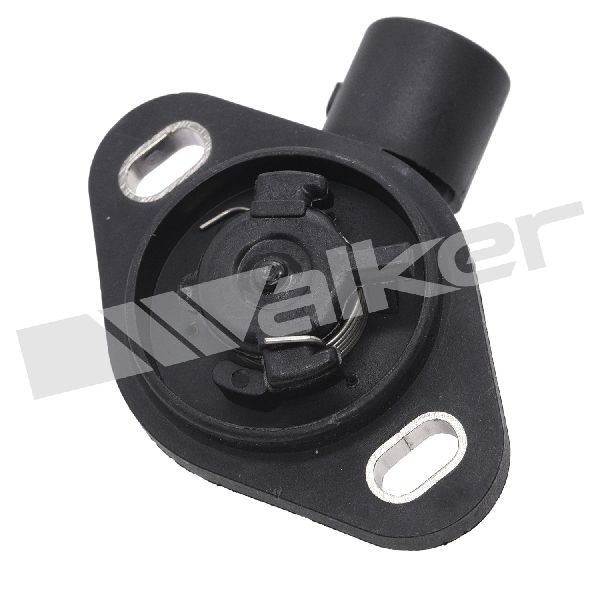
- Standard Tier (Walker Products): Walker is a known aftermarket brand that often provides parts that are a good balance of price and quality. They engineer their parts to meet or exceed OE specifications and are a reliable choice for daily drivers.
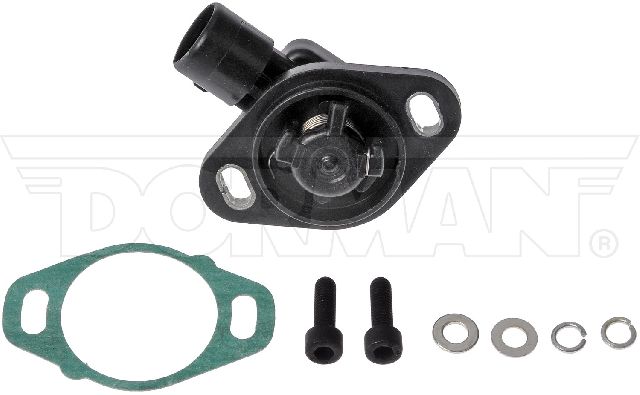
- Premium Tier (Dorman): Dorman is a well-regarded aftermarket manufacturer known for re-engineering parts to fix original flaws. Their TPS kits often include new hardware and gaskets, making installation easier. For a part that requires calibration and can cause major drivability issues, spending a little more on a premium brand like Dorman can provide peace of mind.
A Note on OEM vs. Aftermarket
While many mechanics prefer original Honda/Acura electronic parts, the dealer may require you to buy the entire throttle body assembly, which is very expensive. For a vehicle of this age, a quality aftermarket TPS from a reputable brand like Dorman or Walker is a perfectly acceptable and cost-effective solution that will restore performance.
Estimated Replacement Costs
The cost to replace the TPS on your Acura CL can vary. Doing it yourself is very affordable, while having a shop do it will add labor costs.
| Part/Service | Estimated Cost |
|---|---|
| New Aftermarket TPS Part | $24 - $71 |
| Shop Labor | $85 - $145 |
| Total Professional Replacement | $110 - $216 |
Frequently Asked Questions
Do I need to calibrate the new TPS?
Yes, calibration is often necessary for these older Honda/Acura models. This usually involves using a multimeter to set the sensor's voltage to a specific value (often around 0.45V - 0.50V) at closed throttle. Incorrect calibration can lead to the same problems as a bad sensor. Some aftermarket sensors are plug-and-play, but it's always best to check the voltage.
How do I remove the original TPS screws?
The original screws are designed not to be removed easily. The most common method is to use a Dremel tool with a cutting disc to carefully cut a slot into the head of each screw, allowing you to use a flathead screwdriver to back them out. Some people also drill the heads off and then remove the remaining stud with pliers. New aftermarket sensors usually come with standard hex or Phillips head screws.
Can I just clean my old TPS?
No, the TPS is a sealed electronic sensor. The problems come from internal wear on its electrical contacts, not from being dirty. Cleaning the outside or the connector pins with electrical contact cleaner can be a good first step for diagnosis, but if the sensor itself has failed internally, it must be replaced.
Are there any recalls for the Acura CL TPS?
No, searches of the National Highway Traffic Safety Administration (NHTSA) database and for Technical Service Bulletins (TSBs) did not show any recalls or specific bulletins for the throttle position sensor on the 1997-1999 Acura CL.
Technical Specifications
OEM Part Numbers: 16400P06A11 37825PAAA01 16400P8CA21
3-pin blade terminal connector. Mounts to the side of the throttle body.
We Have This Part in Stock

The information in this article is provided for general reference and educational purposes only. Vehicle specifications, procedures, and part compatibility can vary by production date, trim level, and region. Always consult your vehicle's factory service manual and verify part numbers before purchasing or performing repairs. Safety-critical components such as airbags, seat belts, and braking systems should be installed by a qualified professional.
- Acura CL: