

Steering Gear Replacement Guide for 1997-1999 Dodge Dakota
If your Dakota's steering feels loose, leaky, or noisy, it might be time for a new steering gear.
- Before ordering a part, you must inspect the frame around the steering gear for cracks, a very common failure point on these trucks.
- Excessive steering 'slop' is the most common symptom of a worn-out steering gear on a Dakota.
- A professional alignment is mandatory after replacing the steering gear to ensure safety and prevent tire damage.
- Always flush the power steering system and replace the fluid when installing a new gear to prevent contamination and premature failure.
Is Your Dakota's Steering Telling You Something?
A failing steering gear isn't just an annoyance; it's a safety issue. Because the 1997-1999 Dodge Dakota uses a gearbox system, the symptoms are different from what you'd find in a car with rack and pinion steering. Pay attention to these specific warning signs that your steering gear needs attention.
Key Symptoms of a Failing Steering Gear:
- Steering Play or "Slop": This is the most common complaint. You might turn the steering wheel two or three inches before the truck actually starts to turn. This indicates excessive wear inside the gearbox.
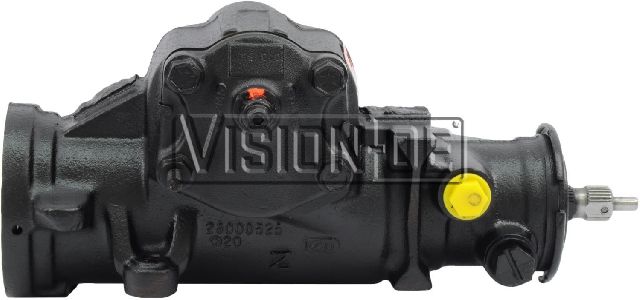
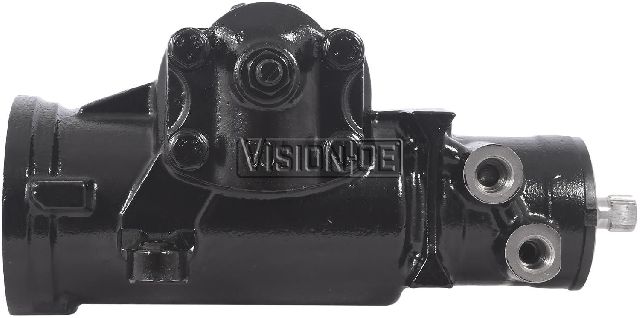
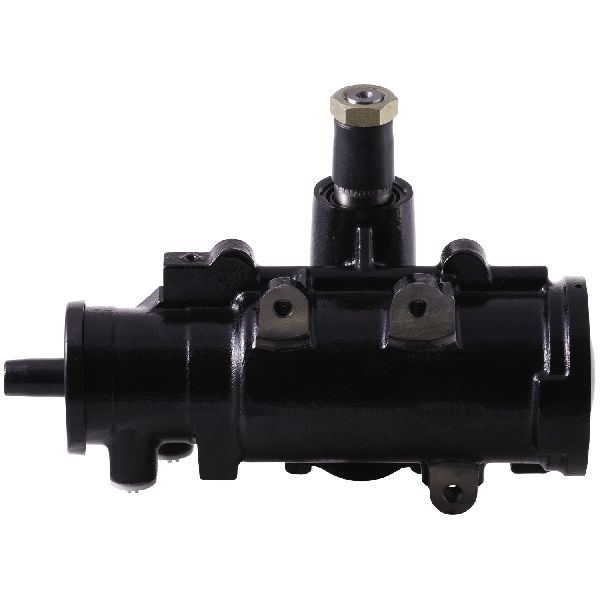
- Power Steering Fluid Leaks: Puddles of reddish or light brown fluid under the front of your truck are a clear sign of failing seals. The gear itself can leak from the input shaft (where the steering column connects) or the output shaft (where the pitman arm attaches).
- Grinding or Popping Noises: Any unusual noises while turning, especially when stationary or at low speeds, can point to worn internal components of the steering gear.
- Difficult or Stiff Steering: If turning the wheel suddenly requires a lot of effort, the internal valves of the steering gear might be failing, or the system could be low on fluid due to a leak.
A Critical Check: Frame Cracks
Before you replace the steering gear, you MUST inspect the truck's frame where the gear bolts on. It is a very common and well-documented problem for the frame on these Dakotas to crack from the stress of the steering gear. If you install a new gear on a cracked frame, the problem will return quickly and can be extremely dangerous. Look for hairline cracks around the mounting bolts. If you find any, they must be professionally welded and reinforced before proceeding.
Choosing the Right Aftermarket Steering Gear
For a vehicle of this age, a "new" OEM part from the dealer is often a remanufactured unit anyway. The aftermarket offers both new and remanufactured options. The key is choosing a quality brand, as consistency can be an issue with remanufactured parts.
- Remanufactured (Cardone, BBB Industries): These are original units that have been rebuilt with new seals and wear components. Quality can be inconsistent. Some users have good experiences, while others report premature failures. They are the most budget-friendly option but can be a gamble.
- New Aftermarket (PWR, Lares, others): These are completely new units engineered to meet or exceed original specifications. While sometimes more expensive than remanufactured parts, they often provide better reliability and a longer warranty, saving you from doing the job twice.
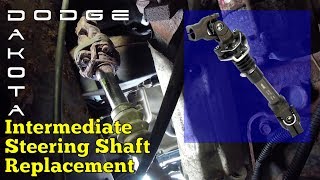
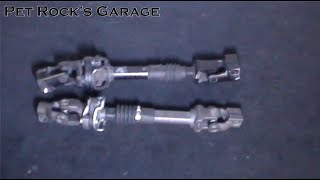
When replacing your steering gear, it's the perfect time to flush the entire power steering system. Old, contaminated fluid can ruin a new part. Also, inspect the power steering hoses, pump, and steering shaft U-joints for wear. A worn intermediate steering shaft can also cause jerky or binding steering, a common issue on these trucks.
Cost to Replace a 1997-1999 Dodge Dakota Steering Gear
| Item | Estimated Cost |
|---|---|
| New Aftermarket Steering Gear | $190 - $940 |
| Shop Labor | $317 - $465 |
| Total Estimated Cost (Installed) | $507 - $1,405+ |
*Costs are estimates and will vary based on your location, the specific brand of part chosen, and the rates of your repair shop.
Frequently Asked Questions
Do I need a special tool for this job?
You will need a pitman arm puller to separate the pitman arm from the old steering gear's output shaft. This is a specialty tool that can often be rented from auto parts stores. You will also need a good set of flare nut wrenches for the power steering lines to avoid stripping them.
Should I get an alignment after replacing the steering gear?
Yes, absolutely. Replacing the steering gear will affect your vehicle's alignment. A professional alignment is required to ensure proper handling, safety, and to prevent uneven tire wear.
What's the difference between a steering gear for a 2WD and a 4WD model?
The parts can be different. It is critical to order the correct part for your specific drivetrain (2WD or 4WD) and any special packages like a snow plow prep option, which used a heavy-duty gear. Always verify fitment using your vehicle's specific details.
My steering feels jerky or binds. Is that the steering gear?
It could be, but a common cause for this specific symptom on Dakotas is a worn intermediate steering shaft. The U-joints on the shaft can seize, causing the steering to bind and release as you turn the wheel. Inspect the shaft while you have someone turn the wheel; if it moves jerkily, it likely needs replacement as well.
Helpful Videos
Technical Specifications
OEM Part Numbers: 52038942 52038942AB 52038942AC 52106257AB 52106501AA
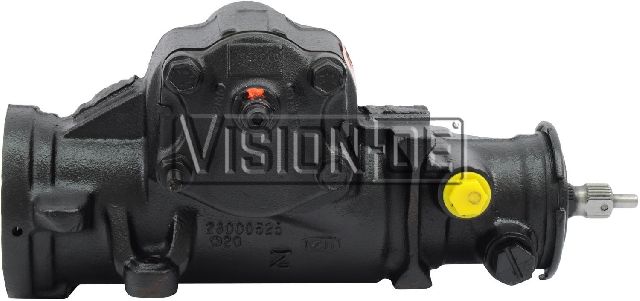
The 1997-1999 Dodge Dakota uses a hydraulically assisted, recirculating ball-type steering gear (gearbox), not a rack and pinion system.
We Have This Part in Stock

The information in this article is provided for general reference and educational purposes only. Vehicle specifications, procedures, and part compatibility can vary by production date, trim level, and region. Always consult your vehicle's factory service manual and verify part numbers before purchasing or performing repairs. Safety-critical components such as airbags, seat belts, and braking systems should be installed by a qualified professional.
- Dodge Dakota: