

Your 1997-1999 Dodge Neon Engine Cooling Fan Module: A Complete Guide
If your Neon is overheating or the cooling fan isn't working right, this is the place to start.
- A bad fan module is a common issue on 1st-gen Neons, and Chrysler issued a service bulletin for it.
- Symptoms include overheating at idle, the fan not working, or the fan staying on constantly.
- Before replacing, check the fan fuse and test the fan motor directly to rule out other simple problems.
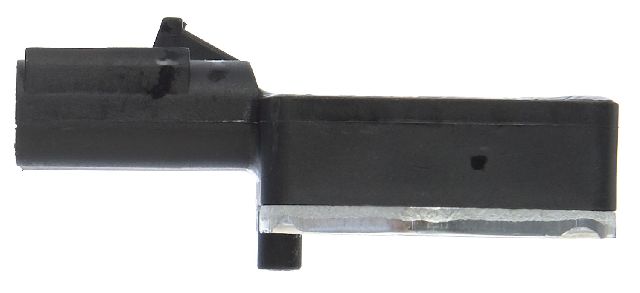
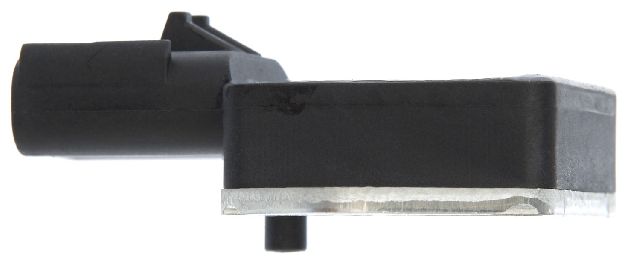
- For this part, a new aftermarket module from a brand like Standard Ignition is a reliable and cost-effective repair.
Is Your Neon's Cooling Fan Module Failing?
A bad cooling fan module can cause serious engine problems. The main job of your Neon's cooling fan is to keep the engine from overheating when the car is stopped or moving slowly. If the module fails, that fan won't turn on when it's needed most.
Top 4 Symptoms of a Bad Fan Module
- Engine Overheating at Idle: The most common and serious sign. If your temperature gauge climbs in stop-and-go traffic but cools down on the highway, your fan isn't working. This points to a problem in the fan circuit, often the module.
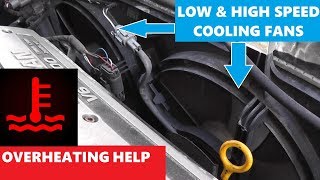
- Cooling Fan Never Turns On: 🎬 See this diagnostic video if your Neon fans won't spin. Even when the engine is hot, the fan doesn't spin. You can test this by letting the car warm up while parked. If the temp gauge goes past the halfway mark and you don't hear the fan kick on, the module is a likely suspect.
- Fan Stays On Constantly: The module can fail in the 'on' position, causing the fan to run continuously. This will drain your battery, especially after you shut the car off.
- A/C Blows Warm Air: Your car's air conditioning needs airflow across the condenser to work properly. The cooling fan provides this airflow at low speeds. If your A/C gets cold on the highway but blows warm in town, it could be because the fan isn't running.
Check for Trouble Codes
A failing fan module will often trigger the Check Engine Light. Common codes for the 1997-1999 Neon include P0480 (Fan 1 Control Circuit Malfunction) and P1491 (Radiator Fan Relay Circuit). Getting your car scanned for codes is a great first step in diagnosis.
Known Issues for 1997-1999 Neons (TSB)
Chrysler released a technical service bulletin (TSB) for first-generation Neons related to the cooling fan. Mechanics found that the fan would either not turn on or would not turn off. The official repair involves installing a new, updated cooling fan relay (module) along with a special jumper wire harness. 🎬 Watch: How to fix a radiator fan that won't activate. This suggests the original design was prone to failure. When replacing your module, it's a good idea to check the wiring and connector for any signs of heat damage or corrosion.
Choosing the Right Aftermarket Fan Module
For a vehicle like the 1997-1999 Neon, using a new aftermarket part is a smart and cost-effective choice. The original OEM parts are over 25 years old, and quality aftermarket brands offer reliable, readily available alternatives.
Brand Options: Standard vs. Gates
- Standard Ignition (SMP): This is a well-known and generally trusted brand for automotive electronics. They have been in the business for a very long time and have a reputation for producing quality parts that are often comparable to OEM. For an electronic part like a fan module, Standard is a solid choice.
- Gates: Gates is a giant in the automotive world, but they are primarily famous for belts, hoses, and water pumps. While they make other parts, their reputation isn't as strong in electronics. Some users have reported fitment or quality issues with their non-core products in recent years. Given that Standard specializes in electronics, it is the more recommended option for this specific part.
Pro Tip: Before you replace the module, quickly check the 30-amp fuse for the radiator fan in the power distribution box under the hood. It's a simple check that could save you time and money. Also, confirm the fan motor itself works by carefully applying 12V power directly to it.
🎬 Watch: How to test your cooling fans, relays, and connections.Cost of a New Engine Cooling Fan Module
| Part Type | Price Range |
|---|---|
| New Aftermarket (Gates, Standard) | $64.14 - $97.14 |
| Shop Labor Cost | $50 - $100 |
Frequently Asked Questions (FAQ)
Where is the cooling fan module located on a 1997-1999 Neon?
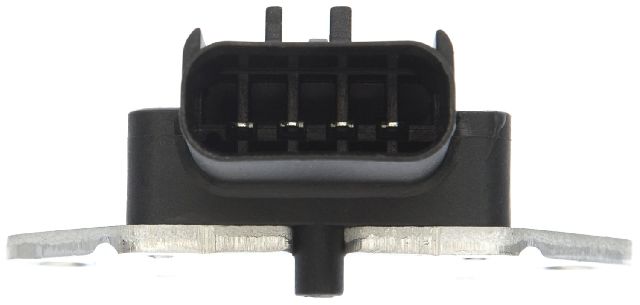
The cooling fan module (or relay) is located on the driver's side of the car, bolted to the front inner frame rail, just behind the radiator assembly. You will need to look down from the top or access it from underneath the vehicle.
Can I replace the fan module myself?
Yes, this is a DIY-friendly job for most home mechanics. It typically involves disconnecting the battery, unplugging one electrical connector, and removing one or two bolts holding the module to the frame. Access is a bit tight, but it does not require special tools.
Is it the module or the temperature sensor?
This is a common question. The coolant temperature sensor tells the computer the engine is hot, and the computer tells the module to turn on the fan. A quick test is to turn on your A/C. On most cars, this automatically commands the fan to run. If the fan runs with the A/C on but not when the engine gets hot, you may have a bad temperature sensor instead of a bad module.
Why did my new module fail after a short time?
If a replacement module fails quickly, the problem may be the fan motor itself. An old, worn-out fan motor can draw too much electricity. This high current draw can overheat and burn out the new module. If you suspect your fan motor is old, it's wise to check its amp draw or consider replacing the fan assembly and module at the same time.
Helpful Videos
Technical Specifications
Location: Bolted to the driver's side front inner frame rail, behind the radiator. Controls power to the dual radiator fans.
We Have This Part in Stock


The information in this article is provided for general reference and educational purposes only. Vehicle specifications, procedures, and part compatibility can vary by production date, trim level, and region. Always consult your vehicle's factory service manual and verify part numbers before purchasing or performing repairs. Safety-critical components such as airbags, seat belts, and braking systems should be installed by a qualified professional.
- Dodge Neon:
- 🎬 Helpful Videos
- 🛍️ Shop This Part
- Is Your Neon's Cooling Fan Module Failing?
- Top 4 Symptoms of a Bad Fan Module
- Known Issues for 1997-1999 Neons (TSB)
- Choosing the Right Aftermarket Fan Module
- Brand Options: Standard vs. Gates
- Cost of a New Engine Cooling Fan Module
- Frequently Asked Questions (FAQ)
- 🎟️ Get 5% Off