

Acura Integra Engine Coolant Thermostat Guide (1997-2001)
Keep your Integra's B-series engine from overheating or running cold with the right thermostat.
- A thermostat can fail stuck-open (engine runs cold, no heat) or stuck-closed (engine overheats).
- Overheating is a critical issue; pull over immediately to avoid engine damage.
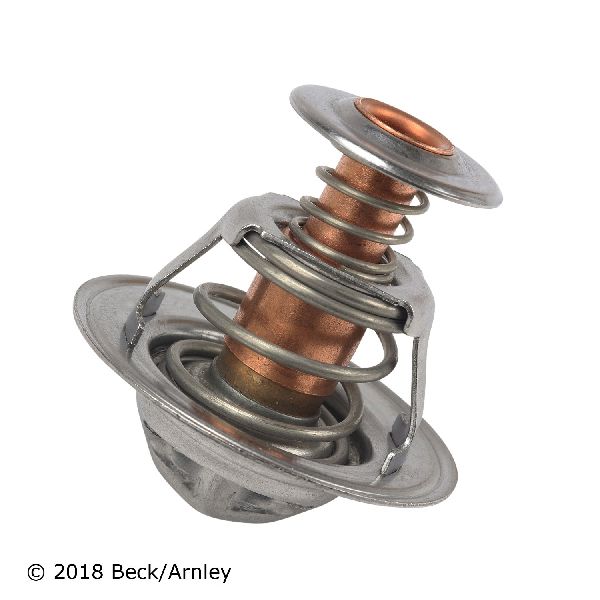
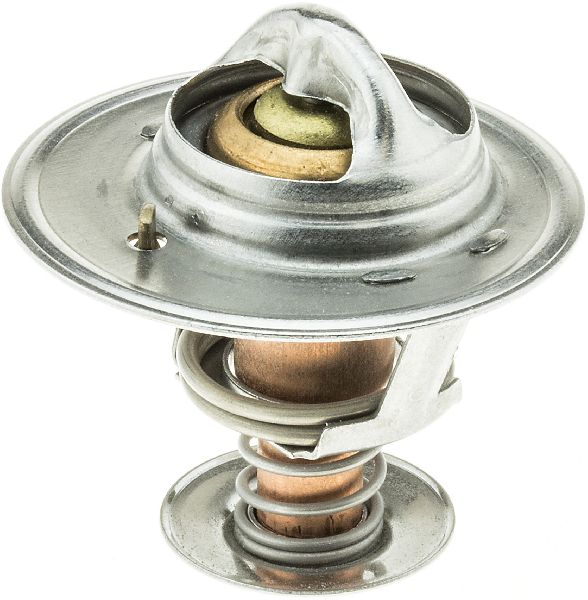
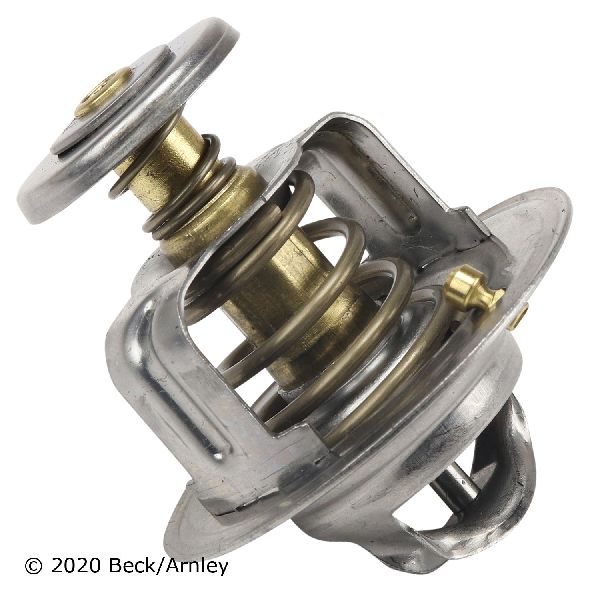
- Using an OEM or a top-tier aftermarket brand (Beck Arnley, Gates) is highly recommended for reliability.
- Always replace the thermostat gasket and properly bleed all air from the cooling system after replacement.
Is Your Integra's Thermostat Failing?
A thermostat is a wear item. After thousands of heating and cooling cycles, it can fail in one of two ways: stuck open or stuck closed. A stuck-closed thermostat is an emergency that can quickly lead to major engine damage from overheating. A stuck-open thermostat is less dangerous but will cause problems with your car's performance, fuel efficiency, and comfort.
Symptoms of a Bad Thermostat
- Overheating: If the thermostat is stuck closed, coolant can't get to the radiator to be cooled. Your temperature gauge will climb into the red, especially when idling or in traffic. This is a critical failure; you should stop driving immediately.
- Temperature Gauge Fluctuating: A gauge that bounces between normal and hot, or randomly goes up and down, can be a sign of a thermostat that is sticking intermittently or air pockets in the cooling system.
- No Heat in the Cabin: If the thermostat is stuck open, the engine never fully warms up. The coolant doesn't get hot enough to provide warm air through your vents, which is especially noticeable in winter.
- Engine Takes a Long Time to Warm Up: Similar to the 'no heat' symptom, a stuck-open thermostat will prevent your engine from reaching its proper operating temperature in a normal amount of time. Your temp gauge may stay on 'C' for a long time.
- Check Engine Light: A thermostat that's stuck open will often trigger a P0128 trouble code, which means the engine coolant temperature is below its expected regulating temperature.
Choosing the Right Aftermarket Thermostat
For many parts, aftermarket is a great choice. For critical Honda/Acura cooling system parts like the thermostat, the decision is more important. Many experienced owners and mechanics strongly recommend using a genuine OEM part. However, if you choose aftermarket, quality varies. Here’s a general breakdown of the brands available:
- Tier 1 (High Quality / OEM Equivalent): Beck Arnley is often considered a reliable choice, as they frequently source their parts from the same manufacturers that supply Acura (OEM). However, be aware that sometimes they may repackage other brands. An OEM thermostat from the dealer is the safest bet for guaranteed fit and performance.
- Tier 2 (Reputable Aftermarket): Gates is a well-known and trusted brand in cooling systems. Their thermostats are generally seen as a reliable and high-quality alternative to OEM. Calorstat is another established brand, though less commonly discussed in Acura forums.
- Tier 3 (Standard / Economy): Motorad is a large manufacturer of thermostats, but is often viewed as a standard or budget-level replacement. While functional, some enthusiasts prefer to spend a few extra dollars for a part from a higher tier for this critical component.
Cost of Replacing an Integra Thermostat
| Part/Service | Estimated Cost |
|---|---|
| New OEM Part | $35 - $50 |
| New Aftermarket Part | $10 - $23 |
| Shop Labor | $100 - $225 |
| Total Professional Job (Aftermarket) | $110 - $248 |
| Total Professional Job (OEM) | $135 - $275 |
Note: Costs are estimates and will vary by location and shop. The labor estimate is for thermostat replacement only.
Frequently Asked Questions (FAQ)
Is it hard to replace the thermostat on a 97-01 Integra?
No, it is considered a relatively easy DIY job for someone with basic tools. The main steps are draining the coolant, removing the air intake tube for access, unbolting the two 10mm bolts on the thermostat housing, swapping the part, and reinstalling. The hardest part is often reaching the bottom bolt. After replacement, you MUST properly bleed the cooling system to remove all air pockets.
Do I really need an OEM thermostat?
While not strictly necessary, it is highly recommended by the Honda/Acura community for reliability. An OEM thermostat made by Nippon Thermostat is proven to work correctly for a long time. If you choose an aftermarket part, stick to a high-quality brand like Beck Arnley or Gates to avoid premature failure.
What other parts should I replace at the same time?
Since you'll be draining the coolant, it's a perfect time to do a full coolant flush. It's also a good time to inspect your radiator hoses, especially the lower one you'll be removing. If they feel brittle, soft, or swollen, replace them. At a minimum, always use a new thermostat gasket.
My temperature gauge is fluctuating. Is it definitely the thermostat?
Not always, but it's a primary suspect. A fluctuating gauge can also be caused by air trapped in the cooling system or low coolant levels. If you've recently had cooling system work done, try bleeding the system first. If the problem persists, a sticking thermostat is the likely cause.
Technical Specifications
OEM Part Numbers: 19301-PAA-306 19301-P08-316 19301-P08-306 19301-P08-315 19301-P08-000 19301-P08-305
Location: Lower radiator hose inlet on engine block. Gasket Type: Rubber ring seal. Common Temperature Ratings: 170°F (76.5°C) or 180°F (82°C).
We Have This Part in Stock


The information in this article is provided for general reference and educational purposes only. Vehicle specifications, procedures, and part compatibility can vary by production date, trim level, and region. Always consult your vehicle's factory service manual and verify part numbers before purchasing or performing repairs. Safety-critical components such as airbags, seat belts, and braking systems should be installed by a qualified professional.
- Acura Integra: