

Engine Coolant Temperature Sensor Guide for 1997-2001 BMW 323i
Is your BMW 323i running rough, getting poor gas mileage, or showing an incorrect temperature reading? Your coolant sensor may be the problem.
- The 323i has two coolant sensors; the one in the cylinder head is the primary cause of running issues but is very difficult to replace.
- Symptoms of failure include poor MPG, black smoke, rough idle, and an incorrect temperature gauge reading.
- Due to the high labor cost of replacement, choosing a quality OEM-supplier brand like Vemo or Febi is strongly recommended over budget parts.
- Always replace the sensor's sealing ring to prevent coolant leaks after the repair.
Symptoms of a Failing Coolant Temperature Sensor
A bad coolant temperature sensor can cause a variety of problems, many of which can mimic other engine issues. Because the sensor's data is so important for fuel calculations, a faulty one often sends a permanently 'cold' signal to the engine computer. This tricks the computer into injecting too much fuel, a condition known as running rich.
- Poor Fuel Economy: If the engine computer thinks the engine is always cold, it will consistently inject more fuel than necessary, causing your gas mileage to drop.
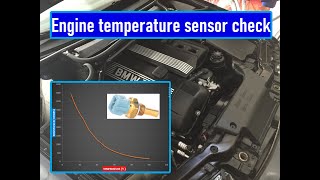
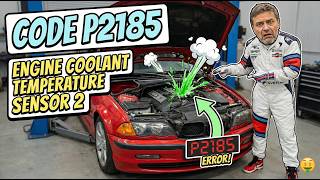
- Check Engine Light: The engine computer will trigger a Check Engine Light if it detects a problem with the sensor's signal or circuit. Common fault codes include P0117 🎬 Watch: How to check and diagnose these sensor fault codes. (Sensor Circuit Low Input), P0118 (Sensor Circuit High Input), and others related to coolant temperature plausibility.
- Black Smoke from Exhaust: An overly rich fuel mixture may not burn completely in the cylinders. This unburnt fuel then burns in the hot exhaust pipe, creating black smoke.
- Rough Idle and Poor Performance: The incorrect air-fuel mixture can cause the engine to idle roughly, hesitate, or feel sluggish during acceleration.
- Hard Starting: When the engine is actually cold, a faulty sensor might not allow the computer to enrich the fuel mixture enough for an easy start.
- Engine Overheating or Faulty Gauge Reading: A bad sensor can fail to trigger the electric cooling fans when needed, leading to overheating. It can also cause the temperature gauge on your dashboard to behave erratically or show no reading at all.
Choosing the Right Aftermarket Sensor
For a critical sensor like the ECT, quality matters. While an OEM sensor from a BMW dealer is always an option, high-quality aftermarket parts can offer reliable performance at a better price. Aftermarket brands can generally be grouped into a few tiers.
OEM vs. Aftermarket Quality
For many electronic parts on European cars, it's wise to stick with the Original Equipment Manufacturer (OEM) or a brand known to supply parts to BMW. Brands like Vemo and Febi are often considered OEM-equivalent and provide a good balance of quality and price. While budget-friendly options exist, they can be a gamble in terms of accuracy and longevity. For a sensor this critical and difficult to access, spending a little more for a quality part is recommended to avoid doing the job twice.
- Tier 1: OEM Supplier Brands (Vemo, Febi): These companies often manufacture parts directly for BMW. Choosing a brand like Vemo or Febi-Bilstein generally ensures a precise fit and reliable operation, very similar to the original part.
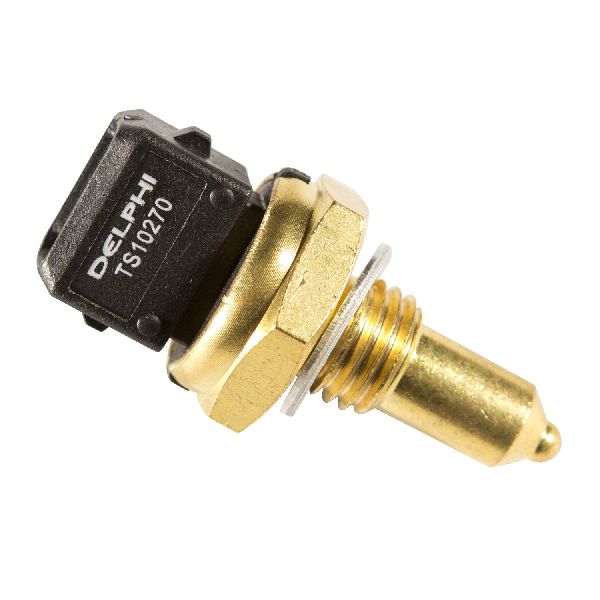
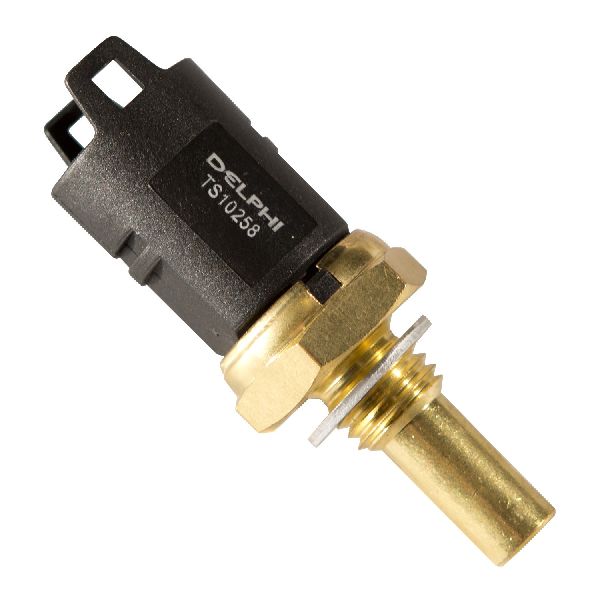
- Tier 2: Reputable Aftermarket Brands (Delphi, Beck Arnley, NGK, Standard Ignition): These are well-known brands with a history of producing quality replacement parts. They are a solid choice and often provide a good warranty and reliable performance.
- Tier 3: Budget-Friendly Brands (URO Parts, Facet, etc.): These brands offer the lowest price point. While some owners have success with them, others report a higher failure rate compared to premium brands. URO Parts has made efforts to improve quality over the years, but for a sensor that requires significant labor to replace, it may be a risk.
Warning: Two Different Sensors
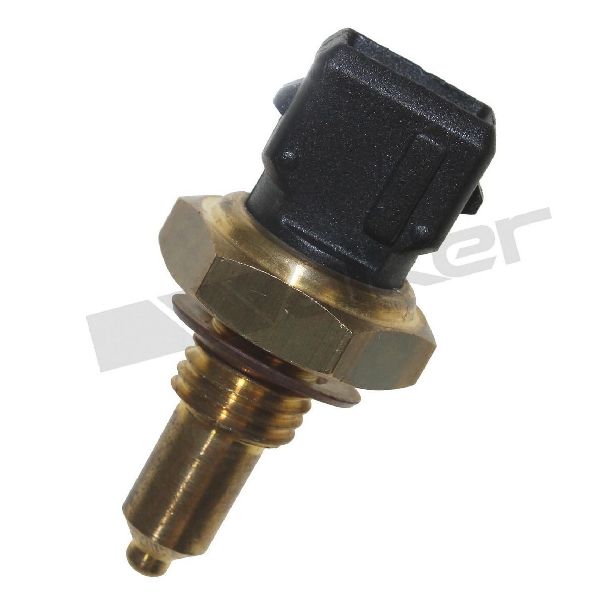
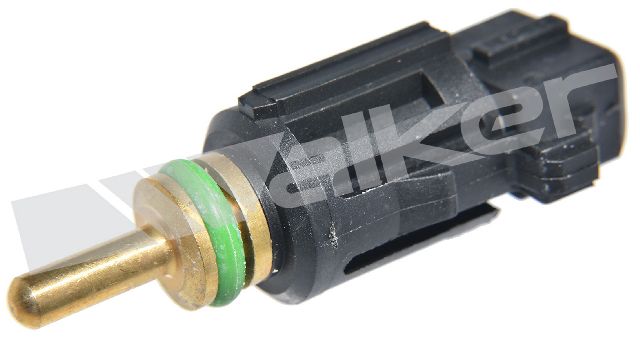
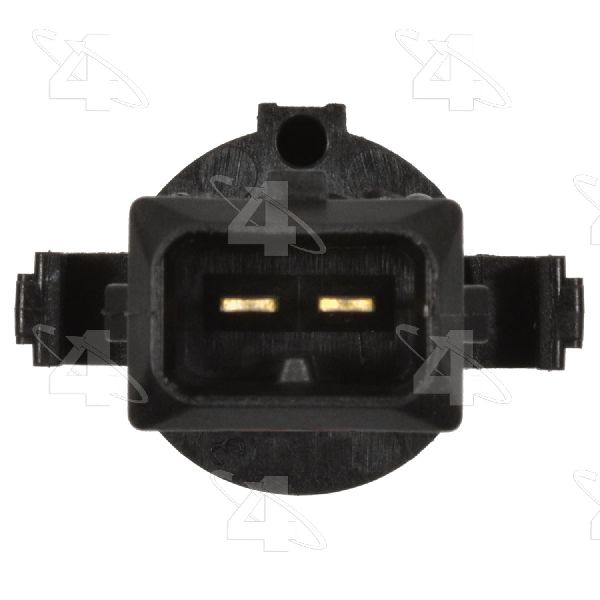
The 1997-2001 BMW 323i uses two different coolant temperature sensors. The primary sensor (Part No. 13621433076) is located on the cylinder head, under the intake manifold. A secondary sensor is located in the lower radiator hose and primarily helps control the cooling fan. This guide focuses on the primary sensor in the cylinder head, which is the one most often associated with engine running problems.
Cost of Replacing the Engine Coolant Temperature Sensor
| Part Type | Estimated Cost |
|---|---|
| New Aftermarket Part | $19 - $56 |
| New OEM (Genuine BMW) Part | $45 - $70 |
| Shop Labor | $250 - $400 |
Note: Costs are estimates and can vary based on location and supplier. The labor cost is high because the sensor is located under the intake manifold, which must be removed for access.
Frequently Asked Questions (FAQ)
Where is the engine coolant temperature sensor located on a 1997-2001 BMW 323i?
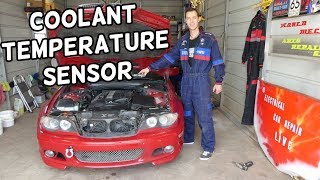
There are two sensors. The main one, which affects engine performance, is located on the cylinder head toward the back of the engine, underneath the intake manifold. 🎬 See this video to visualize the sensor's hidden location. The secondary sensor is easier to access and is clipped into the lower radiator hose on the driver's side of the radiator.
Is it difficult to replace this sensor yourself?
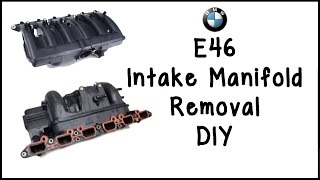
Yes, replacing the primary sensor on the cylinder head is a difficult job for a DIYer. It requires removing the entire intake manifold to gain access, which is a time-consuming process involving many other components. 🎬 Watch: A step-by-step guide to removing the intake manifold. The secondary sensor in the radiator hose is much easier to replace.
Do I need to drain the coolant to replace the sensor?
Yes. When you remove the sensor, coolant will leak out. It is necessary to at least partially drain the cooling system before starting the replacement to minimize coolant loss and mess. Always work on a cool engine to avoid burns from hot coolant.
Should I use an OEM or aftermarket sensor?
Given the difficulty of the replacement, it is highly recommended to use a high-quality OEM or OEM-supplier brand like Vemo or Febi. While cheaper aftermarket options are available, the risk of a premature failure may not be worth the cost savings due to the high labor involved in replacing it again.
Are there any recalls for this sensor?
There are no specific recalls for the engine coolant temperature sensor on the 1997-2001 BMW 323i. However, there have been recalls for this vehicle range related to Takata airbags. It is always a good practice to check for any open recalls on your vehicle using its VIN on the NHTSA website.
Helpful Videos


Technical Specifications
OEM Part Numbers: 13621433076 13620150974 23017838935
This is the 4-pin sensor located in the cylinder head, not the 2-pin sensor in the lower radiator hose.
We Have This Part in Stock


The information in this article is provided for general reference and educational purposes only. Vehicle specifications, procedures, and part compatibility can vary by production date, trim level, and region. Always consult your vehicle's factory service manual and verify part numbers before purchasing or performing repairs. Safety-critical components such as airbags, seat belts, and braking systems should be installed by a qualified professional.
- BMW 323i: