

A Ford Mechanic's Guide to 1997-2001 Expedition Disc Brake Rotors
Stop brake pulsation and noise by choosing the right new aftermarket rotors for your Expedition.
- Always replace brake pads and rotors together as a set to ensure proper performance and wear.
- For a heavy SUV like the Expedition, choose coated rotors from a 'Daily Driver' or 'Performance' brand to resist rust and heat-related warping.
- Rotors are known to seize to the hub; be prepared with anti-seize lubricant for the new installation and potentially a large hammer for removal.
- Properly bedding-in your new pads and rotors according to the manufacturer's instructions is critical to prevent future brake pulsation.
Signs of a Bad or Failing Disc Brake Rotor
When your Expedition's rotors are worn out, they'll give you clear warning signs. Ignoring them can lead to longer stopping distances and more expensive repairs down the road.
Brake Pulsation: The most common symptom is a shaking or pulsating feeling in the steering wheel or brake pedal when you apply the brakes, especially at higher speeds. This is often called "warping," but it's usually caused by an uneven transfer of brake pad material onto the rotor's surface, creating high spots. On a heavy vehicle like the Expedition, this can be a recurring issue.
Grinding or Squealing Noises: A loud grinding or scraping sound means the brake pads have worn down completely and metal is grinding against metal. 🎬 Watch how to fix grinding brakes on your Expedition. A high-pitched squeal is caused by the wear indicator, a small metal tab on the brake pad, telling you it's time for a replacement.
Visible Damage: Look at the rotor's surface. Deep grooves, scoring, or a noticeable "lip" on the outer edge are signs of significant wear. Rust can also be a problem, especially on rotors that sit for a while or in areas with road salt.
Choosing the Right Aftermarket Rotors for Your Expedition
For a 1997-2001 Expedition, aftermarket rotors offer excellent value. The quality of OEM Motorcraft parts is good, but many aftermarket brands meet or exceed those standards for less money. The key is to choose the right tier of part for your needs.
Brand Tiers & Quality
Not all aftermarket brands are created equal. Here’s a breakdown of the brands available for your truck:
- Performance/Heavy-Duty (Best): Brands like Powerstop (Z36 kit), Hawk, Brembo, and EBC Brakes are designed for heavy use, towing, or if you simply want the best stopping power. They often feature superior metallurgy and coatings to resist heat and rust. Powerstop's Z36 kit is a popular, well-regarded upgrade for trucks and SUVs. 🎬 See a step-by-step PowerStop Z23 performance brake and rotor upgrade.
- Daily Driver (Better): This is the sweet spot for most owners. Brands like Raybestos (Element3), Centric (Premium eCoated), Bosch (QuietCast), and Wagner (OEX) offer excellent quality that often meets or exceeds original factory specs. Coated rotors from these brands are highly recommended to prevent rust on the hub and vanes, which helps with cooling.
- Economy (Good): Brands like Dynamic Friction, Pronto, and some store brands can be a good budget option for light-duty use. However, for a heavy vehicle like the Expedition, spending a little more for a daily-driver or performance-tier rotor is a wise investment for longevity and safety.
Blank, Drilled, or Slotted?
For a 1997-2001 Expedition, a quality blank (smooth-faced) rotor is the best choice for most owners. Some owners in hilly areas or who tow frequently may benefit from slotted rotors, which help clear gas and debris from the pad surface. While drilled rotors look good and can help with initial cooling, they are more prone to cracking under the heavy braking demands of an SUV and are generally not recommended.
Known Issues for 1997-2001 Ford Expedition Brakes
No specific recalls or Technical Service Bulletins (TSBs) were found for disc brake rotors on the 1997-2001 Ford Expedition. However, owners frequently report issues with rotors "warping" and causing brake pulsation. This is often due to the vehicle's weight causing high brake temperatures, leading to uneven pad material deposits. Using high-quality rotors and pads and following proper break-in (bedding) procedures can significantly reduce this problem. There was a major recall for a faulty cruise control deactivation switch on the master cylinder that could cause a fire, which applies to this generation of Expedition. While not a rotor issue, it's a critical safety check for any owner.
🎬 See how to check your cruise control switch for fire risks.| Part Type | Cost Range (Per Rotor) |
|---|---|
| New Aftermarket (Economy) | $36 - $60 |
| New Aftermarket (Daily Driver/Coated) | $60 - $120 |
| New Aftermarket (Performance/Slotted) | $120 - $192 |
| New OEM (Motorcraft) | $75 - $115 |
| Shop Labor (Per Axle) | $140 - $250 |
Frequently Asked Questions (FAQ)
Should I replace my brake pads and rotors at the same time?
Yes, always. Installing new pads on old, worn rotors will cause uneven wear and reduce braking performance. Likewise, new rotors need a fresh, flat pad surface to bed-in correctly. Most aftermarket brands offer convenient kits that include both pads and rotors.
Can I replace just one rotor?
No. Brake rotors should always be replaced in pairs (both front wheels or both rear wheels) to ensure even braking performance and prevent the vehicle from pulling to one side.
What does "bedding-in" new brakes mean?
Bedding-in is a critical process of performing a series of controlled stops to properly transfer a thin, even layer of friction material from the new pads to the new rotors. This prevents pulsation and ensures maximum stopping power. Your new brake parts will come with specific instructions for this procedure.
Is replacing Expedition rotors a difficult DIY job?
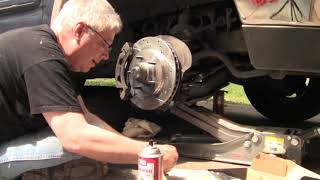
For a DIY mechanic with the right tools, it's a manageable job. The front rotors on 2WD models require removing the wheel hub assembly, which involves servicing the wheel bearings. All models can have issues with rotors being rusted or seized to the hub, sometimes requiring a large hammer or heat to remove. You will need a torque wrench, a large C-clamp or piston compressor, and basic hand tools.
Helpful Videos
Technical Specifications
OEM Part Numbers: BRR-284
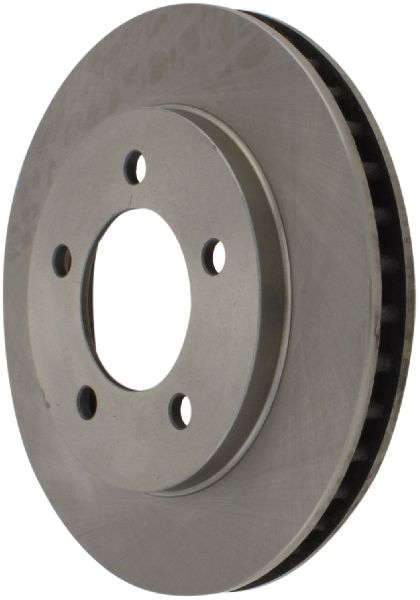
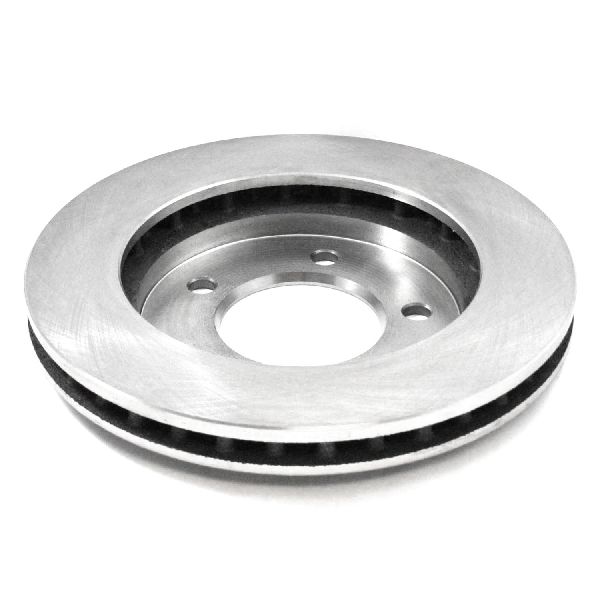
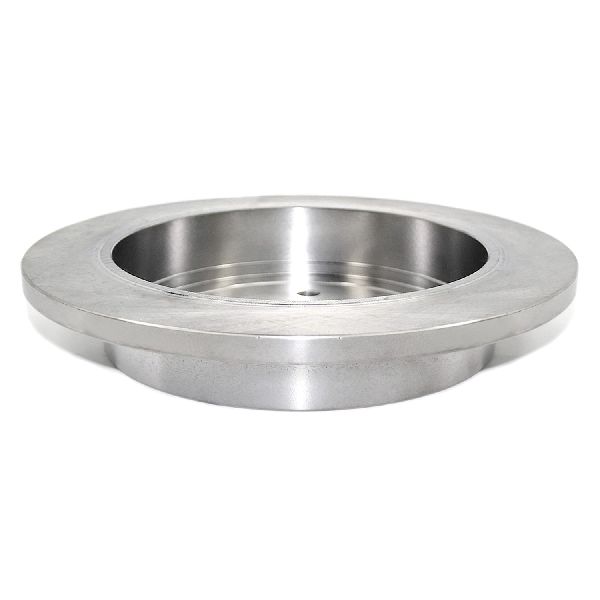
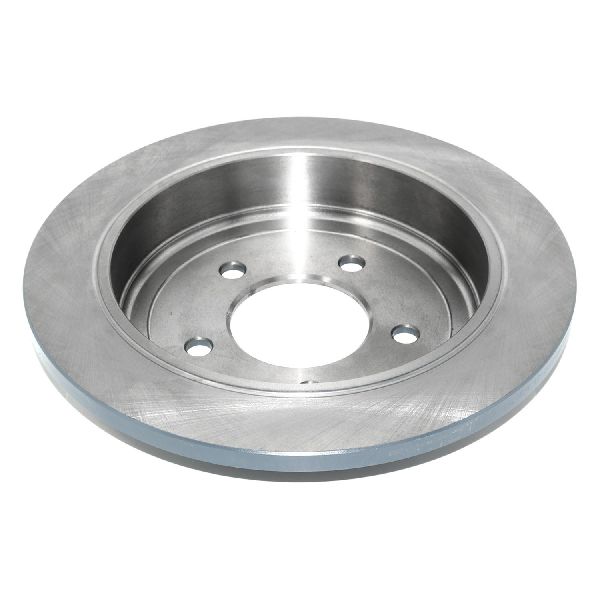
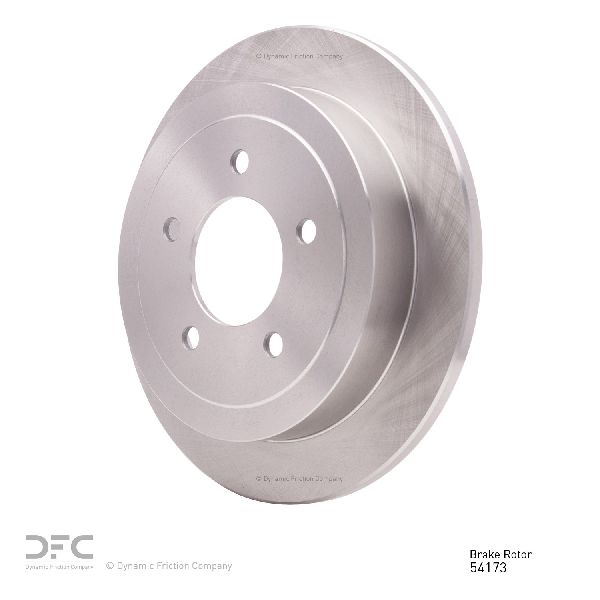
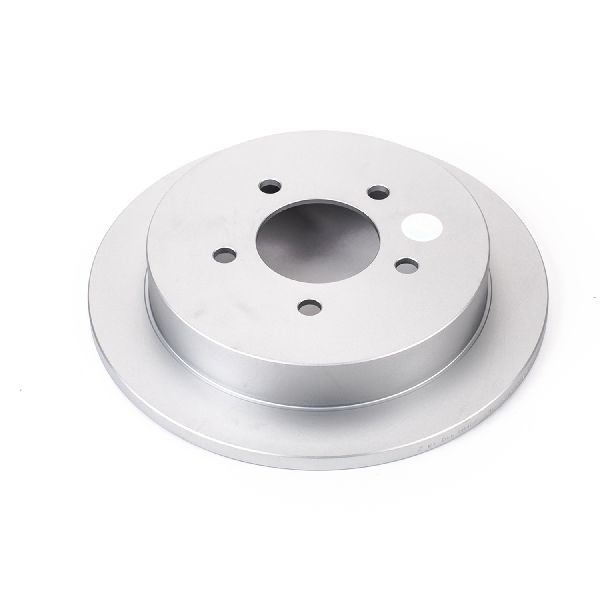
Varies by 2WD vs 4WD and front vs rear. It is critical to order the correct part for your specific vehicle configuration. Front rotors are vented, while rear rotors are typically solid.
We Have This Part in Stock

The information in this article is provided for general reference and educational purposes only. Vehicle specifications, procedures, and part compatibility can vary by production date, trim level, and region. Always consult your vehicle's factory service manual and verify part numbers before purchasing or performing repairs. Safety-critical components such as airbags, seat belts, and braking systems should be installed by a qualified professional.
- Ford Expedition: