

Honda Civic Suspension Shock and Strut Guide (1997-2001)
Everything you need to know before replacing the shocks and struts on your 6th generation Honda Civic.
- Your 1997-2001 Civic uses a superior double-wishbone suspension with shock absorbers, not MacPherson struts like later models.
- For a factory-like ride, KYB Excel-G is a top choice; for a performance upgrade, Koni is the preferred brand.
- Budget brands like FCS and Monroe are affordable but may offer a softer ride and potentially shorter lifespan.
- Always get a wheel alignment after replacing front shocks to prevent uneven tire wear.
Understanding Shocks on a 1997-2001 Civic

The 6th generation Honda Civic (chassis code EK) is known for its excellent handling, thanks in large part to its four-corner double-wishbone suspension. This is a more advanced setup than the MacPherson strut system found on later Civics (2001 and newer). For you, this means you are replacing the shock absorber, not a structural strut. The shock absorber's main job is to dampen the spring's oscillations, preventing the car from bouncing uncontrollably after hitting a bump. Over time, the seals inside the shock wear out, fluid leaks, and the nitrogen gas charge escapes, making it unable to do its job effectively.
Symptoms of Failing Shocks

Noticing how your Civic drives is the best way to tell if your shocks are worn. Look for these common signs:
- Bouncy, Floating Ride: The car continues to bounce up and down long after hitting a bump.
- Nose Dives and Body Roll: The front end dives excessively when you brake hard, or the body leans a lot in corners.
- Clunking or Knocking Noises: Worn shock mounts or bushings can cause noise when going over bumps.
- Uneven Tire Wear: Bouncing tires can wear unevenly, a condition called 'cupping'. 🎬 Watch: Top ten signs your shocks and struts are worn
- Fluid Leaks: Oily residue on the shock body is a clear sign it has failed.
A Note on Terminology
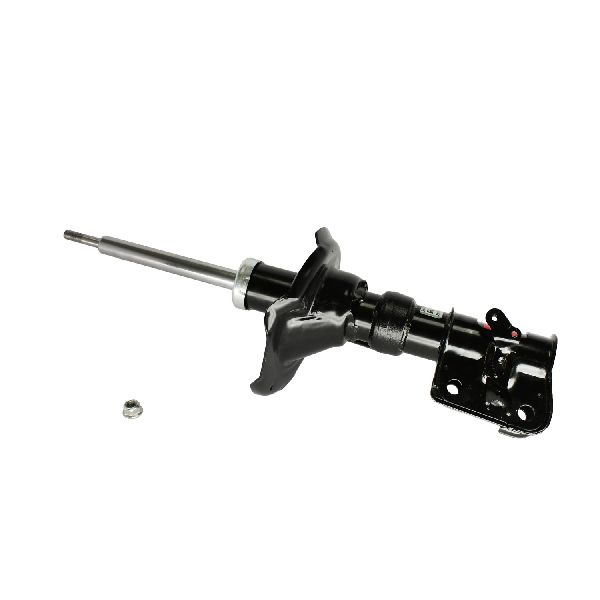
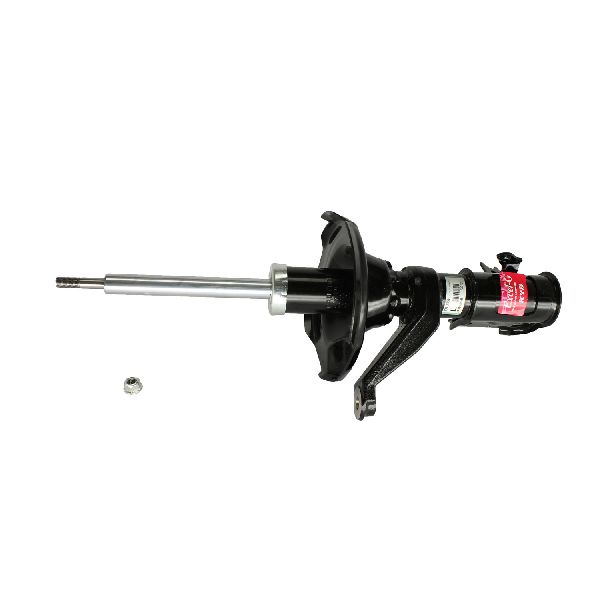
While your Civic technically has shock absorbers, many parts stores and mechanics will call the complete assembly—shock, spring, and mount—a "strut" or "quick strut". This is important to know when shopping. For this guide, we will use the terms interchangeably as the market does, but it's good to know the technical difference for your specific car.
Choosing the Right Aftermarket Shocks

You don't need to go to the Honda dealer for quality parts. The aftermarket offers several tiers of quality and performance to fit your budget and driving style.
Tier 1: Performance-Focused (Koni)
Koni: Widely regarded as a top choice for performance, especially the Koni "Yellow" Sport shocks. These are often adjustable, allowing you to fine-tune the stiffness for a balance between daily driving comfort and track-ready handling. They are a significant upgrade over stock and are built to last, but they are the most expensive option. They are ideal for enthusiasts who may also use lowering springs.
Tier 2: OEM-Quality Replacement (KYB)
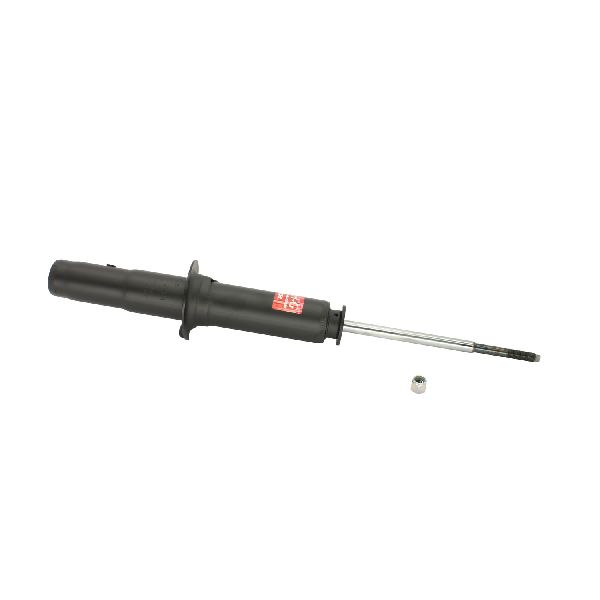
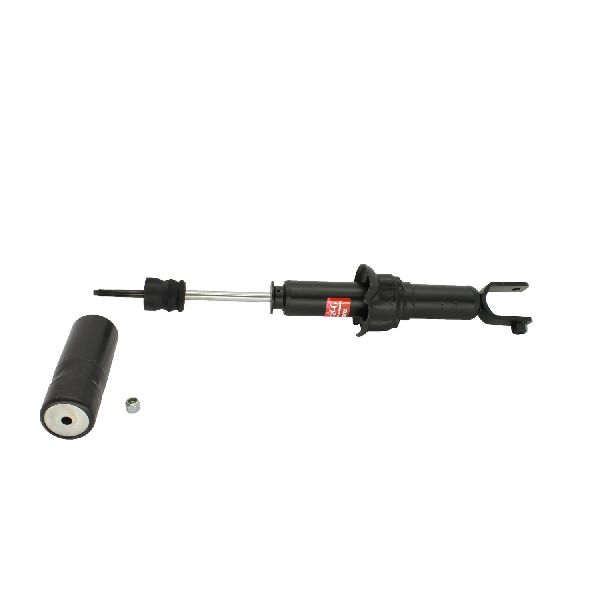
KYB: This is a highly respected brand that is an original equipment manufacturer (OEM) for many car companies, including Honda. The KYB Excel-G (formerly GR-2) is considered a direct OEM-equivalent replacement that will restore your Civic's original handling and ride quality. They offer a great balance of performance, quality, and price, making them a popular choice for daily drivers. Some users report they feel slightly stiffer than the original stock shocks.
Tier 3: Budget-Friendly (Monroe, PRT, FCS)
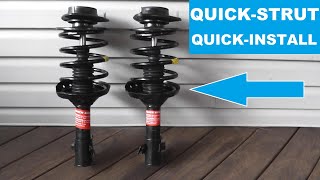
Monroe: A well-known brand offering shocks that are generally softer and more comfort-oriented than OEM. Their "Quick-Strut" assemblies are popular for DIY installation because they include the spring and mount, saving time and the need for a spring compressor. 🎬 See this walkthrough on replacing front shocks yourself While they are a functional replacement, they may not provide the same sharp handling your Civic had when new.
PRT & FCS: These are budget-focused brands. They are the most affordable option and can be a decent choice if you're on a tight budget or don't plan on keeping the car for many more years. User reviews are mixed; some find them perfectly adequate for restoring a comfortable ride, while others note they may not last as long or perform as well as higher-tier brands. Some installers have noted minor fitment issues, like holes not aligning perfectly.
Pro Tip: Replace in Pairs
Always replace shocks in pairs (both fronts or both rears) to ensure even handling and stability. Replacing all four at once is the best practice for a car of this age to completely restore the suspension.
🎬 Watch: How to replace the rear shocks on your CivicCost of Replacing Honda Civic Shocks

| Part Type | Estimated Cost (Per Corner) |
|---|---|
| New OEM (Honda) | $110 - $155 |
| New Aftermarket (This Inventory) | $41 - $152 |
| Shop Labor (Per Pair) | $200 - $400 |
Frequently Asked Questions
Do I need an alignment after replacing my shocks?
Yes, it is highly recommended. Replacing the front shocks can affect your car's alignment angles. Getting a four-wheel alignment afterward will prevent premature tire wear and ensure the car tracks straight.
Should I buy a complete "quick strut" assembly or just the shock?
For a DIY-friendly installation, a complete assembly (like those offered by Monroe and FCS) is easier because you don't need a dangerous spring compressor tool. However, the springs in these kits may not be the same quality as your original Honda springs. If your springs are in good shape, replacing only the shock insert (like a KYB or Koni) and reusing your factory springs can result in better performance.
Were there any recalls for the 1997-2001 Civic suspension?
Searches of the National Highway Traffic Safety Administration (NHTSA) database did not find any specific recalls related to the shocks or struts for the 1997-2001 Honda Civic suspension.
Are there any Technical Service Bulletins (TSBs) for this issue?
While Honda has issued many TSBs for the Civic over the years, no specific bulletins were found that directly address widespread, premature failure of the factory shocks for this generation. Most issues are simply due to age and wear.
Helpful Videos


Technical Specifications
OEM Part Numbers: 51821-S04-000
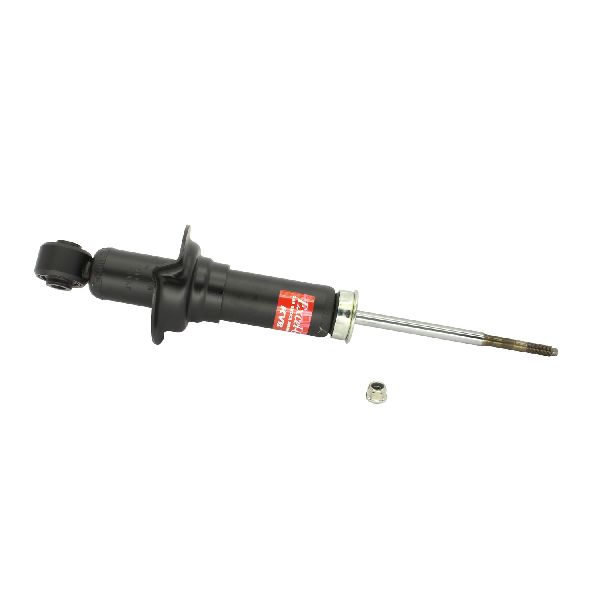
Suspension Type: Double Wishbone Front & Rear. The component is a coilover shock absorber, not a MacPherson strut.
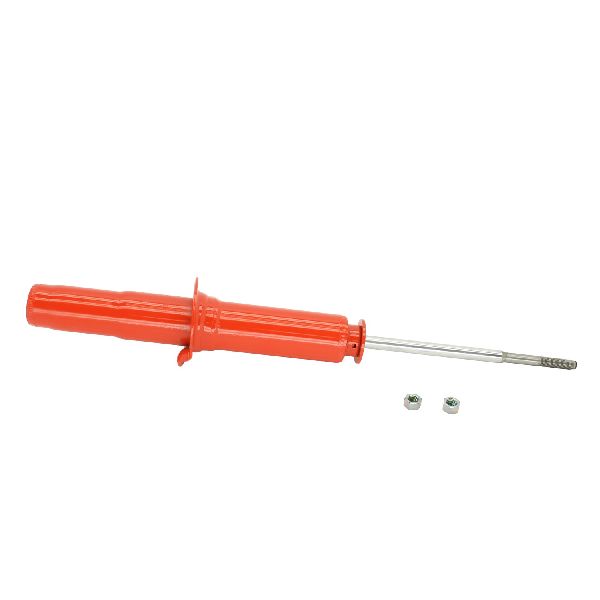
We Have This Part in Stock

The information in this article is provided for general reference and educational purposes only. Vehicle specifications, procedures, and part compatibility can vary by production date, trim level, and region. Always consult your vehicle's factory service manual and verify part numbers before purchasing or performing repairs. Safety-critical components such as airbags, seat belts, and braking systems should be installed by a qualified professional.
- Honda Civic:
- 🎬 Helpful Videos
- 🛍️ Shop This Part
- Understanding Shocks on a 1997-2001 Civic
- Symptoms of Failing Shocks
- A Note on Terminology
- Choosing the Right Aftermarket Shocks
- Tier 1: Performance-Focused (Koni)
- Tier 2: OEM-Quality Replacement (KYB)
- Tier 3: Budget-Friendly (Monroe, PRT, FCS)
- Pro Tip: Replace in Pairs
- Cost of Replacing Honda Civic Shocks
- Frequently Asked Questions
- 🎟️ Get 5% Off