

A Guide to Replacing Disc Brake Pads on Your 1997-2001 Honda CR-V
Find the right stopping power and avoid common brake problems with the perfect pads for your first-generation CR-V.
- For this CR-V generation, always clean and lubricate the caliper slide pins during a brake job to prevent sticking and uneven wear.
- Akebono is a trusted OEM-quality brand for a quiet, reliable replacement, while brands like Powerstop and Raybestos EHT offer a noticeable performance upgrade.
- Ceramic pads are best for most daily drivers, offering low noise and dust, while semi-metallic pads provide better bite for heavy-duty use.
- Replacing brake pads is a very DIY-friendly job on the 1997-2001 CR-V, requiring only basic tools.
Symptoms of Worn Brake Pads on a First-Gen CR-V

Your CR-V will tell you when its brake pads are getting low. Ignoring these signs can lead to more expensive repairs, like needing to replace the brake rotors. Look out for these common symptoms:
- Squealing or Screeching: Most brake pads have a small metal tab called a wear indicator. When the pad material wears down, this tab contacts the rotor and makes a high-pitched squeal when you brake. This is the earliest warning to get your pads checked.
- Grinding Noises: A loud, metallic grinding sound means the brake pad material is completely gone. You are now hearing metal-on-metal contact between the pad's backing plate and the rotor. This is a serious issue that dramatically reduces stopping power and damages the rotors.
- Reduced Stopping Power: If you notice it takes longer to stop or you have to press the brake pedal harder than usual, your pads may be worn out or contaminated.
- Vibration or Pulsing: While often a sign of warped rotors, a pulsing sensation in the brake pedal can also be related to unevenly worn brake pads.
A Common Point of Failure: Sticking Calipers
A very common issue on older vehicles like the 1997-2001 CR-V is sticking caliper slide pins. These pins allow the brake caliper to move freely. If they corrode or lose lubrication, the caliper can get stuck, causing one pad to wear out much faster than the other, pulling to one side when braking, and reducing overall effectiveness. Whenever you replace your brake pads, these pins must be cleaned and lubricated with high-temperature brake grease.
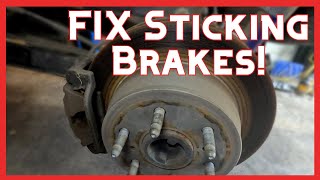
🎬 See how to properly clean and lubricate your caliper slide pins.Choosing the Right Aftermarket Brake Pads

The original pads on your CR-V were likely a ceramic or organic compound designed for quiet, everyday driving. The aftermarket gives you more choices to match your driving style and budget.
Brake Pad Materials Explained
- Ceramic Pads: These are the best choice for most CR-V owners. They are known for being very quiet, producing very little brake dust (which keeps your wheels cleaner), and offering a long service life. Brands like Akebono and Bosch specialize in high-quality ceramic pads.
- Semi-Metallic Pads: These pads contain metal fibers, which help dissipate heat and provide a stronger "bite" or initial stopping power. They are great for drivers who carry heavy loads or live in hilly areas. However, they tend to be noisier and produce more dust than ceramic pads.
Aftermarket Brand Tiers for Your CR-V
With dozens of brands available, it can be hard to choose. Here’s a breakdown of reputable brands that are a good fit for your first-generation CR-V, grouped by quality and performance.
OEM-Grade & Premium Daily Driver
These brands provide quality and performance that is equal to or better than the original Honda parts. They are perfect for daily driving and prioritize quiet, smooth, and reliable stopping.
- Akebono: Widely considered an original equipment manufacturer (OEM) for Honda. Choosing Akebono ProACT pads is often the closest you can get to the original factory pads, offering excellent durability and low noise.
- Bosch: The QuietCast line is a premium ceramic option known for including new hardware and providing quiet, consistent performance. Some users note the friction material can be slightly thinner than other premium brands, but they offer great value.
- Centric: Offers a wide range of pads, with their Posi-Quiet and 105 C-TEK series being excellent daily-driver ceramic options that balance performance and price.
- Advics: Another top-tier Japanese OEM supplier known for excellent quality and fitment.
Performance & Heavy-Duty
If you want a noticeable improvement in braking force, especially for towing, carrying heavy gear, or spirited driving, these brands are excellent choices.
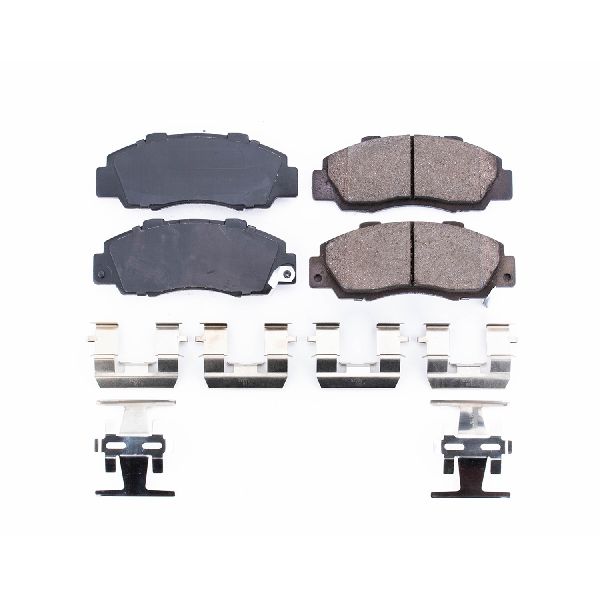
- Powerstop: Known for their Z17 (Evolution) and Z23 (Evolution Sport) carbon-fiber ceramic pads, often sold in kits with rotors. They offer increased stopping power over stock with low dust.
- Hawk Performance: Offers various compounds, from their HPS (High Performance Street) pads that provide a significant bite improvement over stock to more aggressive pads for towing.
- EBC Brakes: Brands like Greenstuff or Yellowstuff offer a clear step up in performance, with better heat management and stopping power, though they may produce more dust and noise.
- Raybestos: The Element3 (EHT) line uses a hybrid ceramic and semi-metallic formula that provides aggressive stopping power, often with a "GG" friction rating, making it a great upgrade.
Standard & Budget-Friendly
For those on a tighter budget, these brands offer a safe and reliable replacement for standard daily driving. They meet federal safety standards and are a perfectly acceptable alternative to premium brands.
- Dynamic Friction
- Pronto
- Wagner Brakes
- Raybestos (Service Grade)
Pro Tip: Always Replace Hardware
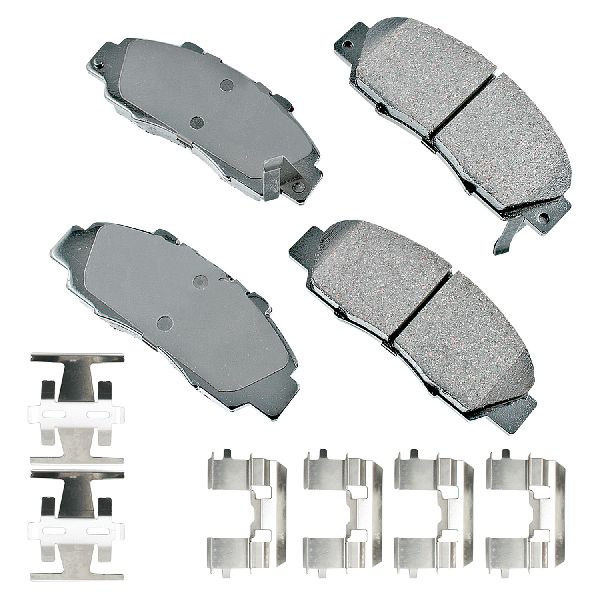
Many premium brake pad sets, like those from Bosch, come with new hardware clips and shims. These metal clips hold the pads in place and can lose their tension over time, leading to noise. Always use the new hardware that comes with your pads for a quiet, trouble-free installation.
Cost of a New Disc Brake Pad Set for a 1997-2001 Honda CR-V

| Category | Price Range | Notes |
|---|---|---|
| New Aftermarket Pads | $37 - $291 | Price depends heavily on the brand and material. Budget-friendly options are at the low end, while high-performance pads from brands like Hawk or EBC are at the high end. |
| New OEM Pads | $70 - $110 | Genuine Honda parts typically cost more than aftermarket daily-driver equivalents. |
| Shop Labor | $100 - $180 | Expect about 1 to 1.5 hours of labor at an independent shop. Dealer labor rates may be higher. |
Frequently Asked Questions
Do I need to replace my rotors at the same time?
Not always, but it's highly recommended. If your rotors are smooth, have no deep grooves, and are within the minimum thickness specification (stamped on the rotor hub), they can sometimes be reused. However, installing new pads on old or warped rotors can cause noise and vibration. For the best performance and longevity, replacing pads and rotors together is the best practice.
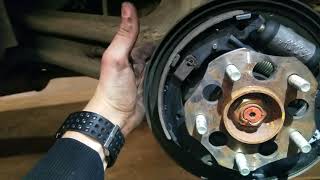
🎬 Learn how to remove a stuck brake drum during rotor replacement.What does the 'FF' or 'GG' friction rating on a brake pad mean?
This two-letter code represents the pad's coefficient of friction, or its 'grip,' at different temperatures. The first letter is the rating when cold, and the second is when hot. 'G' is a higher friction rating than 'F'. A 'GG' rated pad, like the Raybestos EHT, will offer more stopping power than a standard 'FF' pad.
Why are my new brakes making noise?
New brakes can be noisy for a few reasons. First, all new pads and rotors have a 'bed-in' period where the surfaces mate together. Some noise during the first 50-100 miles is normal. Second, improper installation is a common cause. Failure to lubricate caliper slide pins or use new hardware clips can cause squealing or clunking. Finally, some performance-oriented semi-metallic pads are naturally noisier than ceramics.
Is it hard to replace the brake pads on a 1997-2001 CR-V myself?
No, this is a great job for a beginner. The process is simple and requires basic hand tools. You will need to remove two 14mm bolts on the caliper, use a C-clamp to compress the caliper piston, clean and lubricate the slide pins, and install the new pads and hardware. There are many video guides available online that walk you through the process step-by-step.
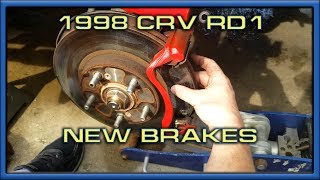
🎬 Watch this step-by-step guide to replacing your front brake pads.Helpful Videos
Technical Specifications
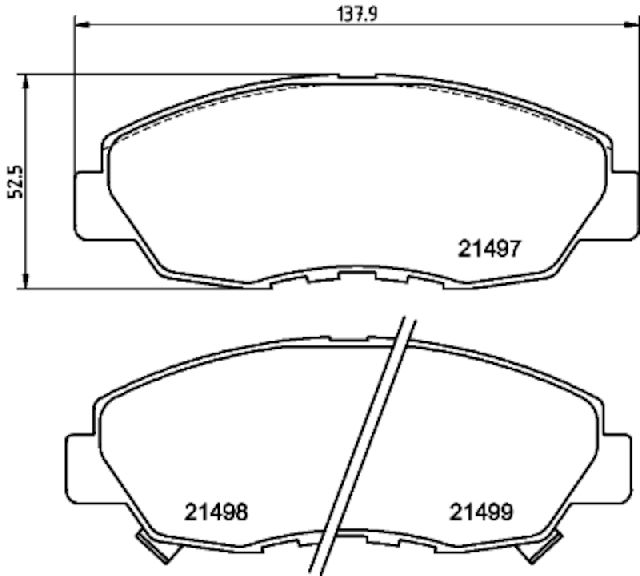
OEM Part Numbers: 45022-S10-A00 45022-S10-A01 45022-S10-A02
The 1997-2001 Honda CR-V uses a single-piston sliding caliper for the front disc brakes. The caliper is typically mounted with two 14mm bolts. The brake rotors are held in place by two JIS screws, which can be difficult to remove without an impact driver.
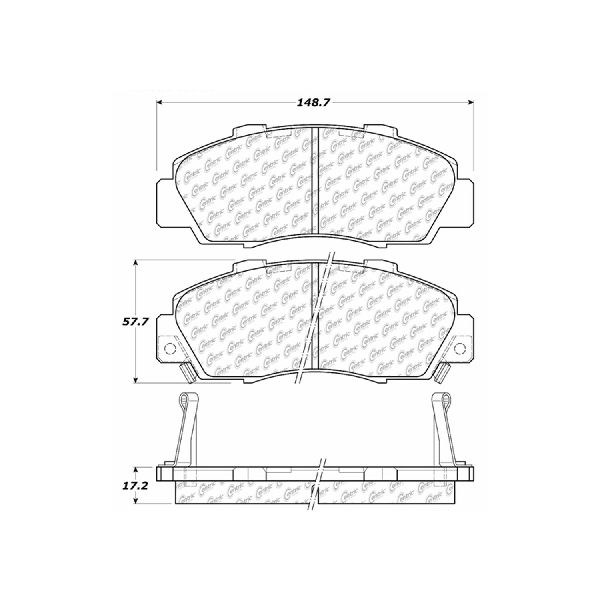
We Have This Part in Stock

The information in this article is provided for general reference and educational purposes only. Vehicle specifications, procedures, and part compatibility can vary by production date, trim level, and region. Always consult your vehicle's factory service manual and verify part numbers before purchasing or performing repairs. Safety-critical components such as airbags, seat belts, and braking systems should be installed by a qualified professional.
- Honda CR-V:
- 🎬 Helpful Videos
- 🛍️ Shop This Part
- Symptoms of Worn Brake Pads on a First-Gen CR-V
- A Common Point of Failure: Sticking Calipers
- Choosing the Right Aftermarket Brake Pads
- Brake Pad Materials Explained
- Aftermarket Brand Tiers for Your CR-V
- Pro Tip: Always Replace Hardware
- Cost of a New Disc Brake Pad Set for a 1997-2001 Honda CR-V
- Frequently Asked Questions
- 🎟️ Get 5% Off