

Honda CR-V Distributor Cap Guide: 1997-2001
Keep your first-gen CR-V running smoothly by understanding when and how to replace your distributor cap.
- A failing distributor cap causes misfires, rough idling, and starting problems on the 1997-2001 CR-V.
- Always replace the distributor rotor at the same time as the cap; they are matching wear items.
- When removing the old cap, check for reddish-brown dust, which indicates a more serious problem with the distributor bearing.
- Quality aftermarket caps with brass terminals are a reliable and cost-effective option for this vehicle.
Is Your CR-V's Distributor Cap Failing?

A distributor cap is a wear item. Over time, the high voltage passing through it can cause the metal contacts inside to erode. The plastic can crack from heat and age, and moisture can get inside. When this happens, your CR-V's B20 engine won't run properly. Look for these common symptoms.
Engine Misfires or Runs Rough
This is the most common sign of a bad cap. You might feel a stutter or hesitation when you accelerate. The engine may idle poorly or shake. This happens because worn contacts on the cap can't deliver a strong, consistent spark to the spark plugs.
Check Engine Light
If your CR-V's computer detects an engine misfire, it will turn on the check engine light. A code reader will often show codes like P0300 (Random Misfire) or P0301, P0302, P0303, P0304 for misfires in specific cylinders.
🎬 Watch this diagnostic guide for troubleshooting CR-V misfire codes.Hard Starting or No Start
A severely cracked or worn-out distributor cap can prevent your engine from starting at all. It might crank but never fire up. You may also notice it takes longer than usual to start, especially in damp weather.
🎬 See how to fix the most common no-start causes.Check for Red Dust
When you remove your old cap, look for a reddish-brown dust inside. This is a sign that the internal bearing of the distributor itself is failing. If you see this, you should plan to replace the entire distributor assembly soon, as a failed bearing can cause more significant damage.
Choosing the Right Aftermarket Distributor Cap

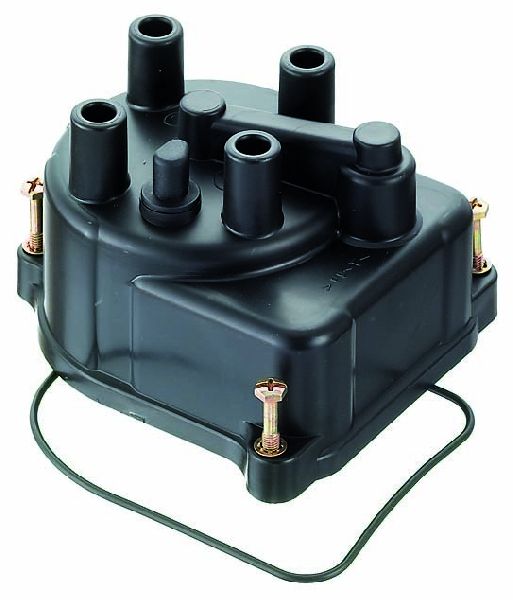
For the 1997-2001 CR-V, you don't always need to buy the original Honda part. Many aftermarket brands offer good quality parts that meet or exceed original specifications. Here’s what to look for:
- Brass vs. Aluminum Terminals: Look for a cap with solid brass terminals. Brass is a better conductor than aluminum or steel and resists corrosion better, providing a longer service life and more consistent performance.
- Quality Materials: Good aftermarket caps are made from high-dielectric strength polymers that resist cracking and prevent spark from arcing to the wrong place.
- Included Gasket: Make sure the new cap comes with a new rubber gasket to seal it against the distributor housing. This is critical for keeping moisture out.
Brand Quality Assessment
When choosing from available brands, it's helpful to understand their general market position. For this part, owner experiences and manufacturer information suggest the following:
- Standard Ignition (SMP): Often considered a top-tier aftermarket brand. They emphasize quality materials like brass terminals and durable polymers, positioning their parts as reliable, long-lasting replacements.
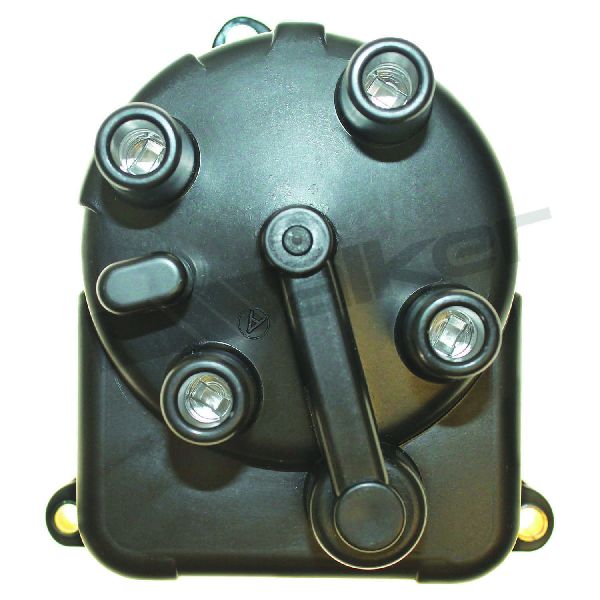
- Walker Products: A long-standing company that engineers parts to meet or exceed OEM standards. They are a solid choice for a reliable, direct-fit replacement.
- Facet: A brand that offers a functional, budget-friendly replacement part. While generally reliable, they may not always use premium materials like brass terminals found in higher-tier options.
Pro Tip: Always replace the distributor rotor when you replace the cap. They wear out at the same rate. It's a cheap part that is essential for a complete tune-up. It's also a good idea to inspect your spark plug wires at the same time.
Cost of Replacing a Distributor Cap on a 1997-2001 Honda CR-V

| Part Type | Estimated Cost |
|---|---|
| New Aftermarket Distributor Cap | $20 - $43 |
| New OEM (Honda) Distributor Cap | $50 - $80 |
| Shop Labor Cost | $60 - $120 |
(Cost estimates are for the part only, except for labor, and can vary by supplier and location.)
Frequently Asked Questions

Should I replace the rotor and spark plug wires with the cap?
Yes, you should always replace the rotor with the cap as they wear together. It's also highly recommended to replace the spark plug wires if they are old, as a new cap can't do its job properly with worn-out wires.
Is an aftermarket distributor cap good enough for my CR-V?
Yes, for many owners, a quality aftermarket cap is a smart choice. Brands like Standard Ignition and Walker Products offer parts that meet or exceed original quality. The key is to avoid the cheapest, no-name options and choose a part with good materials, like brass contacts.
What's the difference between a cap for an internal coil vs. an external coil?
Your stock 1997-2001 CR-V has an internal ignition coil located inside the distributor. Some performance-oriented aftermarket caps are designed for an external coil conversion and will not work on a stock vehicle. Always buy a cap that is a direct replacement for your original part.
How difficult is it to replace the distributor cap myself?
It is a relatively easy job for a DIY mechanic and takes about 30-45 minutes. You only need basic hand tools like a Phillips screwdriver and a few sockets. The most important part is to transfer the spark plug wires from the old cap to the new cap one at a time to avoid mixing up the firing order.
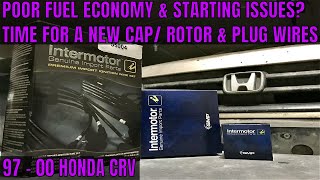
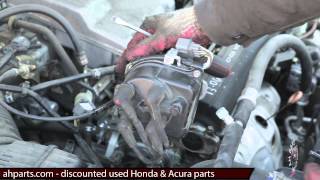
🎬 Follow this step-by-step walkthrough to replace your cap and rotor.Helpful Videos
Technical Specifications
OEM Part Numbers: 30102-P54-006 30102-PT2-006 30102-PT2-016 30102-PT2-026
Fits the B20B and B20Z engines in the 1997-2001 Honda CR-V. Look for caps with brass terminals for best performance and longevity.
We Have This Part in Stock


The information in this article is provided for general reference and educational purposes only. Vehicle specifications, procedures, and part compatibility can vary by production date, trim level, and region. Always consult your vehicle's factory service manual and verify part numbers before purchasing or performing repairs. Safety-critical components such as airbags, seat belts, and braking systems should be installed by a qualified professional.
- Honda CR-V:
- 🎬 Helpful Videos
- 🛍️ Shop This Part
- Is Your CR-V's Distributor Cap Failing?
- Engine Misfires or Runs Rough
- Check Engine Light
- Hard Starting or No Start
- Check for Red Dust
- Choosing the Right Aftermarket Distributor Cap
- Brand Quality Assessment
- Cost of Replacing a Distributor Cap on a 1997-2001 Honda CR-V
- Frequently Asked Questions
- 🎟️ Get 5% Off