

Engine Oil Pressure Switch Guide for 1997-2001 Honda CR-V
Understanding the causes of a flickering oil light or sensor leak on your first-generation CR-V and how to choose the right replacement part.
- If your oil light comes on, stop driving immediately and check your oil level before assuming the switch is bad.
- The most common failure points are internal (causing a false light) and external (leaking oil from the sensor body).
- Use a 24mm deep socket for removal and installation.
- Be extremely careful not to over-tighten the new switch; the torque spec is low (13 ft-lbs) and cracking the engine block is a real risk.
Symptoms of a Failing Oil Pressure Switch

A bad oil pressure switch on a 1997-2001 CR-V usually fails in one of two ways. Recognizing these symptoms is the first step, but always verify your engine's oil level before assuming the switch is the problem.
- Flickering or Solid Oil Light: The most common symptom is the red oil pressure light on the dashboard flickering, especially at idle, or staying on constantly. 🎬 Watch: Why your oil light flickers at idle and how to fix it. This can be caused by an internal failure of the switch, causing it to send a false signal. However, this light also indicates potentially catastrophic low oil pressure, so you should stop the engine immediately and check your oil level.
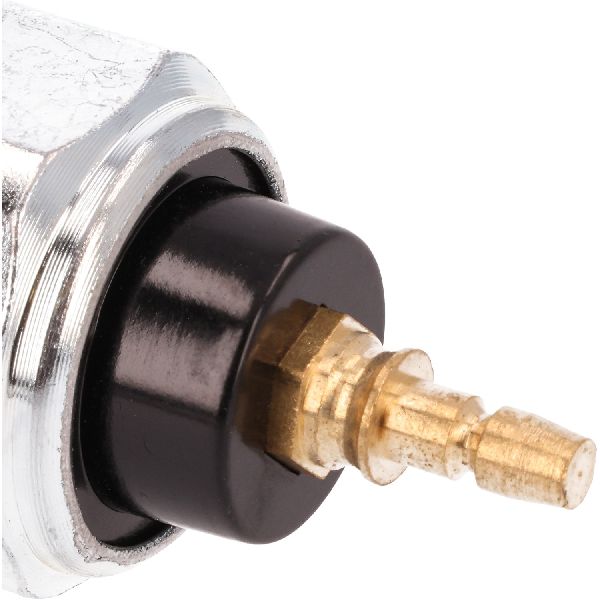
- Oil Leak from the Sensor: These switches are known to leak oil over time. The seal between the metal body and the plastic connector housing can fail, causing oil to seep out. You may find oil on the switch itself, dripping down the back of the engine block, or on the ground underneath. If you unplug the connector and find oil inside the electrical part, the switch has failed and needs replacement.
Choosing the Right Aftermarket Switch

For a simple part like an oil pressure switch on an older vehicle, a quality aftermarket part is often a cost-effective choice. Since the replacement is relatively easy, the risk of using an aftermarket part is lower than with more complex or hard-to-reach components. Here’s a look at the available brands:
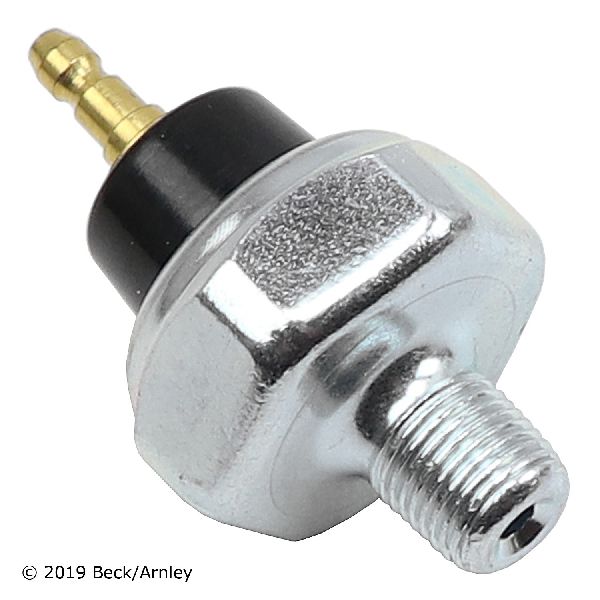
- Premium Aftermarket (Beck Arnley, Standard Ignition): Brands like Beck Arnley and Standard Motor Products (SMP) have a strong reputation in the aftermarket community. Beck Arnley is known for often sourcing parts from the original equipment manufacturers, meaning you might get an OEM-quality part in a different box. Standard is also generally regarded as a reliable choice for sensors and switches.
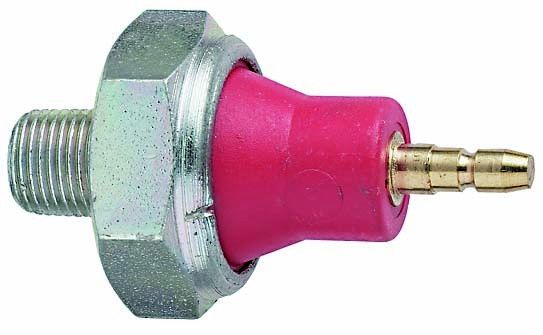
- Standard Aftermarket (Facet, Global Parts): Facet is a European manufacturer that promotes its products as meeting OEM quality standards. Global Parts is a more value-oriented option. For a low-cost, simple switch like this, these brands can be a suitable choice, though they may not have the same long-term track record as premium aftermarket or OEM parts.
Cost of Replacing a 1997-2001 CR-V Oil Pressure Switch
| Part Type | Estimated Cost |
|---|---|
| New Aftermarket | $10 - $25 |
| New OEM | $45 - $70 |
| Shop Labor | $50 - $100 |
Frequently Asked Questions (FAQ)

Where is the oil pressure switch located on a 97-01 CR-V?
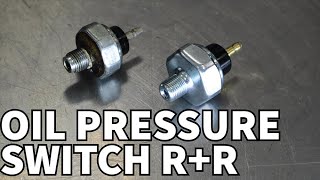
The oil pressure switch is located on the back of the engine block (the side facing the firewall), just to the left of the oil filter. 🎬 See this walkthrough on locating and replacing the sensor. It has a single wire with a rubber boot connected to it. Access can be tight, but it is reachable from the top of the engine bay.
What tools are needed to replace the oil pressure switch?
The job requires basic hand tools. The most important tool is a 24mm deep socket to fit over the plastic body of the sensor. You will also need a ratchet with an extension, and a rag to clean up any spilled oil. Liquid thread sealant is also highly recommended.
Do I need to use thread sealant on the new switch?
Yes, it is highly recommended to apply a small amount of liquid thread sealant (like Permatex High Temperature Thread Sealant or TFE paste) to the threads of the new switch before installation. Do not use Teflon tape, as small pieces can break off and clog oil passages. Some new switches may come with sealant already applied.
Is it easy to break the engine block when installing this switch?
Yes, this is a known risk. The switch has tapered threads and screws into the aluminum engine block. The torque specification is very low, only about 13 ft-lbs. Over-tightening can easily crack the block, leading to a very expensive repair. 🎬 Watch: Professional tips for safe removal and installation. Thread the new switch in by hand until it is snug, then use a wrench to tighten it about one-quarter to one-half turn more. It does not need to be extremely tight to seal.
Helpful Videos




Technical Specifications
OEM Part Numbers: 37240-P2F-A01 37240-PT0-014
Location: Rear of engine block, near oil filter. Socket Size: 24mm Deep Socket. Torque Spec: 13 ft-lbs (156 in-lbs).
We Have This Part in Stock


The information in this article is provided for general reference and educational purposes only. Vehicle specifications, procedures, and part compatibility can vary by production date, trim level, and region. Always consult your vehicle's factory service manual and verify part numbers before purchasing or performing repairs. Safety-critical components such as airbags, seat belts, and braking systems should be installed by a qualified professional.
- Honda CR-V: