

Solving Starting Problems with the 1997-2001 Honda Prelude Main Relay
If your Prelude cranks but won't start, especially when it's warm, the main relay is the most likely culprit.
- The PGM-FI Main Relay is the most common cause of no-start issues in 1997-2001 Preludes, especially when the car is hot.
- Symptoms include cranking with no start, starting then stalling, and hearing no sound from the fuel pump.
- Replacement is a simple, DIY-friendly job that requires no special tools, though access under the dash is tight.
- An affordable aftermarket relay is an effective and popular solution compared to the more expensive OEM part.
The Classic Honda Problem: A Failing Main Relay

Owners of 1997-2001 Honda Preludes often face a common and frustrating issue: the car intermittently fails to start. The engine will crank over just fine, but it won't fire up. This problem is most famous for happening when the car's interior is hot, like after being parked in the sun or after a short drive. The cause is almost always a failing PGM-FI Main Relay. Over many years, the solder joints inside the relay crack from heat and vibration, creating a poor electrical connection.
Symptoms of a Bad Main Relay

- No Start When Hot: This is the most common symptom. The car starts fine when cold but refuses to start after it has warmed up.
- Starts and Stalls: The engine may fire up for a second and then immediately die.
- No Fuel Pump Sound: When you turn the key to the 'ON' position, you should hear a faint click from the relay under the dash, followed by a 2-second hum from the fuel pump in the rear. If you hear silence, the relay is likely not working.
- Intermittent Stalling: In some cases, a failing relay can cause the engine to shut off while you are driving.
Don't Get Stranded
A failing main relay is not a part to ignore. While it may start as an annoyance, it can leave you stranded without warning or even cause the engine to stall in traffic, which is a serious safety risk.
Choosing Your Replacement Part: OEM vs. Aftermarket

When it comes to replacing the main relay, you have a few options. A new OEM (Original Equipment Manufacturer) relay from Honda will work perfectly, but it is often the most expensive choice, with prices sometimes exceeding $100. Given the age of the 5th generation Prelude, a new aftermarket relay is a very popular and cost-effective solution.
The quality of aftermarket relays has improved significantly. Brands like Standard Motor Products or Wells are well-regarded, but even budget-friendly brands like "Replacement" offer a viable fix for this common problem. Since the original design was prone to failure over time, a new aftermarket part with fresh solder joints is often all that is needed to restore reliability without the high cost of an OEM part.
Pro Tip: The DIY Repair
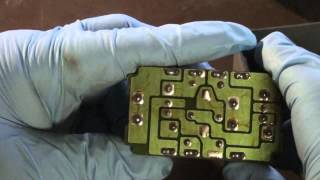
For those who are handy with a soldering iron, the original relay can often be repaired. The failure is typically due to cracked solder joints on the circuit board. By opening the relay case and re-flowing the solder on the contact points, 🎬 Watch: Step-by-step guide to repairing your original relay's solder joints. you can often fix the problem for free. However, for most owners, a complete replacement is faster and more reliable.
Replacement Cost
| Part Type | Estimated Cost |
|---|---|
| New Aftermarket Relay | $18 - $70 |
| New OEM Relay | $85 - $160 |
| Shop Labor | $50 - $100 |
Cost estimates are approximate and can vary by location and supplier.
Frequently Asked Questions (FAQ)

Where is the main relay located on a 1997-2001 Prelude?
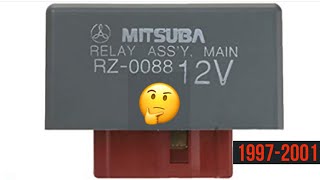
The main relay is located under the driver's side dashboard, to the left of the steering column and typically above the interior fuse panel. 🎬 Watch: See exactly where the relay is located under the dash. It is a small gray or black box with a brown or maroon-colored electrical connector. It can be difficult to see without looking up from the floor pedals.
Can I replace the main relay myself?
Yes, this is a very common DIY repair. The most difficult part is the awkward position required to access the relay under the dash. No special tools are required; it is typically held in place by a single 10mm bolt or just clipped to a bracket. Once you access it, you simply unplug the old one and plug in the new one.
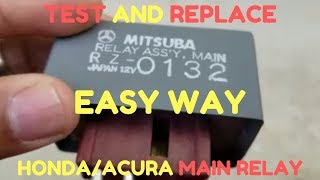
🎬 Watch: How to test and replace the main relay yourself.Will a bad main relay cause a Check Engine Light?
Usually, a failing main relay will not trigger a Check Engine Light. The car's computer doesn't receive power when the relay fails, so it cannot store a trouble code. This is why mechanics often check the main relay first when a Honda cranks but won't start.
Is there a recall for the main relay?
No, there have been no official recalls or Technical Service Bulletins (TSBs) issued by Honda for the PGM-FI main relay on the 1997-2001 Prelude, despite it being a very common failure.
Helpful Videos
Technical Specifications
OEM Part Numbers: 39400-SV4-003 39400-S84-A01 39400-S82-A01
PGM-FI Main Relay, typically gray or black casing with a 7-pin brown/maroon connector. Controls ECU and fuel pump power.

The information in this article is provided for general reference and educational purposes only. Vehicle specifications, procedures, and part compatibility can vary by production date, trim level, and region. Always consult your vehicle's factory service manual and verify part numbers before purchasing or performing repairs. Safety-critical components such as airbags, seat belts, and braking systems should be installed by a qualified professional.
- Honda Prelude: