

Engine Coolant Temperature Sensor Guide for 1997-2001 Mercury Mountaineer
Is your Mountaineer running rough, getting bad gas mileage, or showing a Check Engine light? Your coolant sensor could be the problem.
- Confirm if you need the ECT sensor (for the computer) or the sender (for the gauge) before purchasing.
- A bad ECT sensor is a common cause of a Check Engine Light with codes P0117, P0118, or P0125.
- For reliability, choose an OEM (Motorcraft) or a premium aftermarket brand like NGK or Standard Ignition.
- Replacement is a simple DIY task that can be completed in under an hour with basic tools.
Is it the Sensor or the Sender?

A common point of confusion on the 1997-2001 Mountaineer is the presence of two temperature-related parts. Before you buy, it's crucial to know which one has failed. The Engine Coolant Temperature (ECT) Sensor sends data to the engine computer and affects performance. The Temperature Sender (or Sending Unit) only operates the temperature gauge on your instrument cluster. If your gauge is acting erratically but the engine runs fine, you likely need a sender. 🎬 Watch this guide on replacing the temperature gauge sender. If you're experiencing performance issues and a Check Engine Light, the ECT sensor is the likely culprit.
Symptoms of a Failing ECT Sensor
When the ECT sensor provides incorrect information to the engine computer, it can cause a variety of noticeable problems:
🎬 See a visual breakdown of common bad sensor symptoms.- Check Engine Light: This is the most common symptom, often with codes like P0117 (circuit low), P0118 (circuit high), or P0125 (insufficient temperature for closed loop).
- Poor Fuel Economy: If the sensor incorrectly tells the computer the engine is cold, the computer will enrich the fuel mixture, wasting gas.
- Black Smoke from Exhaust: A rich fuel mixture can result in unburned fuel exiting through the exhaust, appearing as black smoke.
- Rough Idle: The computer relies on accurate temperature data to set the correct idle speed. Bad data can lead to a shaky or unstable idle.
- Hard Starting: The engine may be difficult to start, especially when it's already warm, because the fuel mixture is incorrect.
- Engine Overheating or Overcooling: The sensor also helps control the electric cooling fans. A bad signal can cause them to not turn on when needed, leading to overheating, or run constantly, causing the engine to never reach proper operating temperature.
Choosing the Right Aftermarket Sensor

For a simple but critical part like an ECT sensor, quality matters. A cheap, inaccurate sensor can cause persistent performance issues. While an OEM Motorcraft sensor is a safe bet, several aftermarket brands offer a great balance of quality and value. Forum discussions among Ford and Mercury owners often recommend sticking with known, reputable brands.
Aftermarket Brand Quality Tiers
| Tier | Brands | Notes |
|---|---|---|
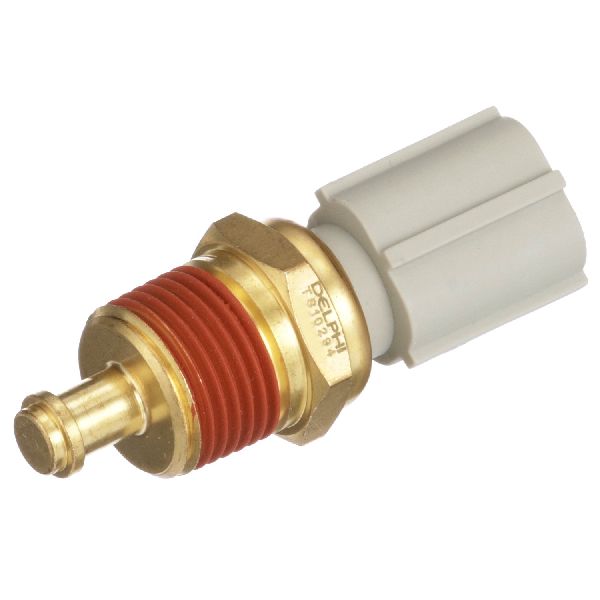
| Premium Aftermarket | NGK, Standard Ignition (SMP), Delphi | Often considered equivalent to OEM quality. These brands are well-regarded for their reliability and accurate sensor readings. |
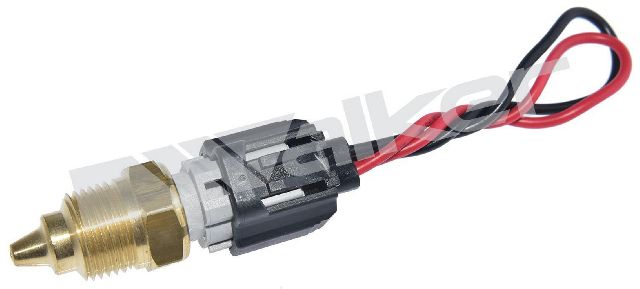
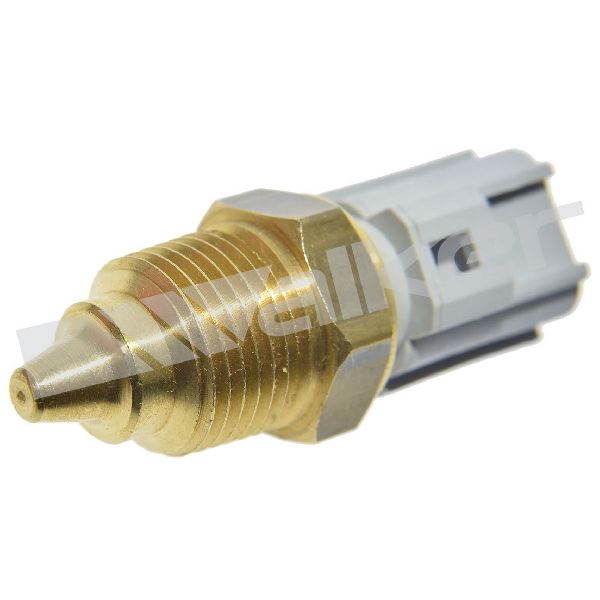
| Quality Aftermarket | Motorad, Walker Products, Facet | Good mid-range options that provide reliable performance and good value for the price. |
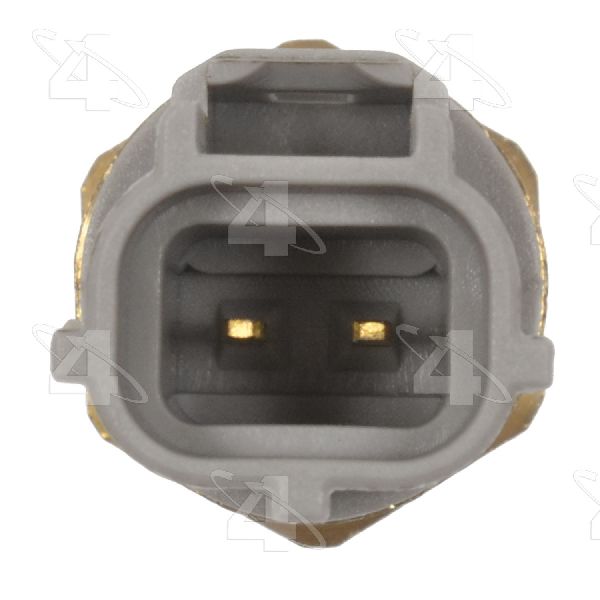
| Economy | Four Seasons, Global Parts, True Tech, Vemo | These are often budget-friendly choices. While they can work, they may have a higher risk of premature failure or slightly less accurate readings compared to premium brands. |
A Note on OEM vs. Aftermarket
While many aftermarket parts offer excellent value, electronic sensors are one area where quality is paramount. A sensor that is out of calibration can cause more headaches than it solves. For this reason, many experienced mechanics recommend using either the OEM Motorcraft part or a top-tier aftermarket brand like NGK or Standard Ignition to ensure proper engine management.
Frequently Asked Questions (FAQ)

Where is the ECT sensor located on my Mountaineer?
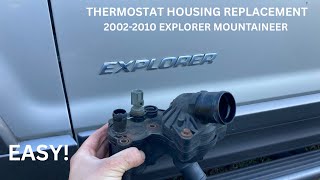
The location depends on your engine. On the 4.0L V6, the ECT sensor for the computer is typically located on the thermostat housing at the front of the engine. On the 5.0L V8, it is usually found on the front of the intake manifold, near the thermostat housing. The sender for the gauge is often located nearby on both engines.
Can I replace the ECT sensor myself?
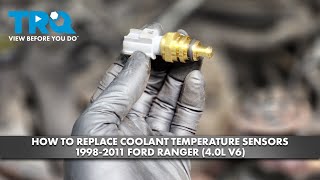
Yes, this is a very DIY-friendly job for someone with basic tools. The sensor is typically easy to access. The process involves partially draining the coolant, unplugging the electrical connector, unscrewing the old sensor, and installing the new one. You will then need to top off the coolant. 🎬 Watch a step-by-step walkthrough of the sensor replacement process. The entire job usually takes less than an hour.
Are there any recalls for this part?
No, there are no specific recalls from the NHTSA for the engine coolant temperature sensor on the 1997-2001 Mercury Mountaineer. Failures are typically due to age and normal wear.
What happens if I don't replace a bad ECT sensor?
Driving with a bad ECT sensor can lead to persistently poor fuel economy, failed emissions tests, and potential long-term damage from running too rich, such as fouled spark plugs and a damaged catalytic converter. In a worst-case scenario where the sensor fails to trigger the cooling fans, it could lead to severe engine overheating.
Helpful Videos
Technical Specifications
OEM Part Numbers: F77Z-12A648-AA F5AZ-12A648-AB F6DZ10884AA F7DZ10884AA
This vehicle generation uses two separate components: a two-wire Engine Coolant Temperature (ECT) Sensor for the PCM and a one- or two-wire Coolant Temperature Sender for the dashboard gauge. They are not interchangeable. The ECT sensor is a thermistor, meaning its electrical resistance changes with temperature.
We Have This Part in Stock


The information in this article is provided for general reference and educational purposes only. Vehicle specifications, procedures, and part compatibility can vary by production date, trim level, and region. Always consult your vehicle's factory service manual and verify part numbers before purchasing or performing repairs. Safety-critical components such as airbags, seat belts, and braking systems should be installed by a qualified professional.
- Mercury Mountaineer: