

1997-2001 Mercury Mountaineer Ignition Switch: A Guide to Replacement
Solve starting problems and electrical glitches by understanding and replacing the ignition switch in your Mountaineer.
- Symptoms like no-start, stalling, and flickering dash lights strongly point to a failing ignition switch.
- This is a DIY-friendly repair that takes 1-2 hours with basic tools; the part is located on the steering column behind the lower dash panels.
- Do not confuse the electrical ignition switch with the mechanical lock cylinder your key enters.
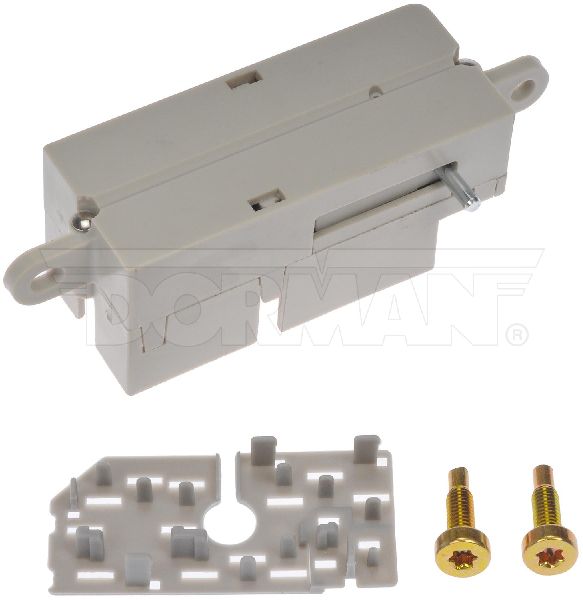
- Quality aftermarket brands like Standard Ignition and Dorman offer reliable, cost-effective alternatives to the more expensive OEM part.
Is Your Mountaineer's Ignition Switch Failing?
A faulty ignition switch in the 1997-2001 Mercury Mountaineer can cause a range of frustrating electrical problems. Because its symptoms can mimic other issues like a dead battery or a bad starter, it's important to know what to look for. The internal electrical contacts wear out over time, leading to a poor connection.
Common Failure Symptoms:
- No-Crank, No-Start: You turn the key and nothing happens. The dashboard lights may or may not come on, but the engine doesn't turn over at all.
- Starts and Immediately Stalls: The engine fires up when you're holding the key in the 'START' position but dies as soon as you release it to the 'ON' position. This indicates the switch isn't providing power to the ignition system in the 'ON' position.
- Stalling While Driving: A worn switch can lose connection when you hit a bump or turn the wheel, cutting power to the engine. This is a serious safety concern.
- Flickering Dashboard Lights & Gauges: You may notice the dash lights flicker or the gauges drop out intermittently while driving.
- Accessories Don't Work Correctly: The radio, power windows, or climate controls may not work in the 'ACC' or 'ON' positions, or they may cut in and out.
Pro Tip: The Wiggle Test
With the engine running and the vehicle in Park, gently wiggle the key in the ignition. If this causes the engine to sputter, the dash lights to flicker, or the vehicle to stall, the ignition switch is very likely the culprit.
Known Issues for This Generation Mountaineer
While there are no specific recalls for the ignition switch on the 1997-2001 Mountaineer, owners should be aware of two related items:
- PATS Anti-Theft System: These vehicles are equipped with a Passive Anti-Theft System (PATS). A problem with the key or the system itself can cause a no-start condition that can be mistaken for a bad ignition switch. Ford issued a Technical Service Bulletin (TSB 01-6-2) about this system, noting that some aftermarket keys can cause problems.
- Speed Control Switch Recall: A major recall (NHTSA campaign 09V399000) was issued for a faulty speed control deactivation switch that could leak fluid and potentially cause a fire, even with the vehicle off. This is a separate part from the ignition switch, but it is a critical safety issue to be aware of for this vehicle.
Choosing the Right Aftermarket Ignition Switch
For a vehicle of this age, a new aftermarket ignition switch is a practical and cost-effective choice. The original equipment (OEM) part is made by Motorcraft, but several reputable aftermarket brands offer quality replacements. Here's a breakdown of the available brands:
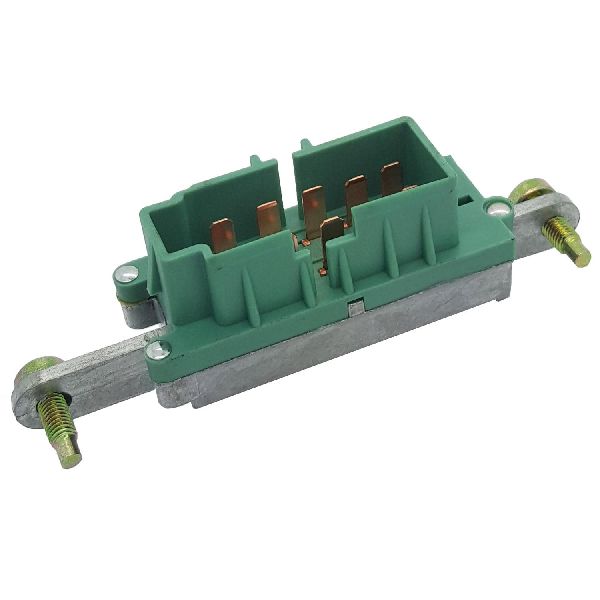
- Standard Ignition (SMP): Often considered a top-tier aftermarket brand. They emphasize using high-quality materials like copper alloy conductors and test their parts to meet or exceed original specifications. A solid choice for reliability and peace of mind.
- Dorman: A well-known brand famous for its "OE Solutions" line, where they sometimes re-engineer parts to fix common factory flaws. While some mechanics have mixed opinions on their more complex parts, a straightforward electrical switch like this is generally considered a reliable, value-priced option.
- Rostra Powertrain: Rostra produces electronics for both OEM and aftermarket applications, advertising 100% testing and quality materials. They are a known supplier for some transmission components.
- True Tech: This is typically a standard-grade aftermarket brand, offering a functional replacement at a budget-friendly price point.
| Part Type | Estimated Price Range |
|---|---|
| New Aftermarket | $32 - $40 |
| New OEM (Motorcraft) | $50 - $80+ |
| Shop Labor | $100 - $200 |
Frequently Asked Questions
Is this a difficult part to replace myself?
For a DIYer with some experience, this is a manageable job. It typically takes 1-2 hours and requires basic hand tools like a socket set and Torx bits. The process involves removing the plastic panels below the steering column to gain access. Always disconnect the battery before starting any electrical work.
Is the ignition switch the same as the ignition lock cylinder?
No. The ignition lock cylinder is the mechanical tumbler that your key slides into. The ignition switch is the separate electrical part that the lock cylinder turns. If your key is hard to turn or gets stuck, the problem is likely the lock cylinder. If you experience the electrical symptoms described above, the problem is likely the switch.
Do I need to reprogram my keys after replacing the ignition switch?
No. Replacing the electrical ignition switch does not affect the key's programming with the PATS anti-theft system. You can continue to use your existing keys without reprogramming.
Could a blown fuse cause the same problems?
Yes, a blown fuse could cause a no-start condition or make certain accessories stop working. It's always a good idea to check relevant fuses in the interior fuse panel before replacing parts. However, intermittent problems like flickering lights or stalling are more characteristic of a failing switch than a blown fuse.
Technical Specifications
OEM Part Numbers: 98AB11572AH
Located on the steering column, this is the electrical switch activated by the ignition lock cylinder. It does not include the lock cylinder or keys.
We Have This Part in Stock


The information in this article is provided for general reference and educational purposes only. Vehicle specifications, procedures, and part compatibility can vary by production date, trim level, and region. Always consult your vehicle's factory service manual and verify part numbers before purchasing or performing repairs. Safety-critical components such as airbags, seat belts, and braking systems should be installed by a qualified professional.
- Mercury Mountaineer: