

Choosing the Right Disc Brake Pads for Your 1997-2002 Acura Integra
Stop guessing which brake pads are right for your Integra and find the perfect set for your driving style.
- You must correctly identify your Integra's trim level; Type R models use different brake pads than LS, GS, and GS-R models.
- For daily driving, OEM-quality ceramic pads from brands like Akebono offer a great balance of performance, low noise, and minimal dust.
- Performance pads from brands like Hawk or EBC offer superior stopping power for spirited driving but may create more noise and dust.
- Replacing rotors at the same time as pads is highly recommended for optimal performance and safety.
Signs Your Integra's Brake Pads Are Worn Out
Your Acura Integra will give you clear warnings when it's time for new brake pads. Ignoring these signs can lead to more expensive repairs, like needing to replace the brake rotors as well.
- Squealing or Screeching: Most brake pads have a small metal tab called a wear indicator. When the pad material gets low, this tab scrapes against the rotor, making a high-pitched noise when you brake. This is the earliest sign to get your brakes checked.
- Grinding Noises: If you hear a deep, metallic grinding sound, it means the brake pad material is completely gone. This is a serious issue where metal is grinding against metal, which can quickly destroy your rotors. Stop driving the car if possible and have it inspected immediately.
- Spongy or Soft Brake Pedal: If your brake pedal feels less responsive or sinks closer to the floor, it could be a sign of worn pads or a problem with the brake fluid system.
- Longer Stopping Distances: If you notice your car takes longer to stop than it used to, your brake pads are likely worn out and can't create enough friction.
A Critical Difference: Type R vs. Other Models
The most common mistake when ordering brake pads for a 1997-2002 Integra is not knowing your exact trim. The high-performance Integra Type R has larger, different brakes and a 5-lug wheel hub, while all other models (LS, GS, GS-R) use a 4-lug hub and smaller brakes. Pads for a GS-R will NOT fit a Type R, and vice-versa. Always confirm your vehicle's trim before purchasing.
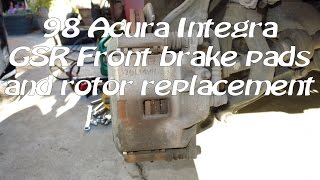
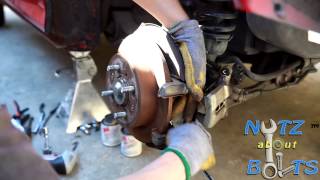
🎬 Watch this step-by-step guide for replacing front brakes on a GSR.Choosing the Right Aftermarket Brake Pads
Aftermarket brake pads offer a wide range of options, from budget-friendly replacements to high-performance upgrades. OEM (Original Equipment Manufacturer) pads for the Integra are well-regarded for daily driving, but aftermarket brands can offer better performance or a lower price. Here’s how the available brands generally stack up:
| Tier | Brands | Best For | Notes |
|---|---|---|---|
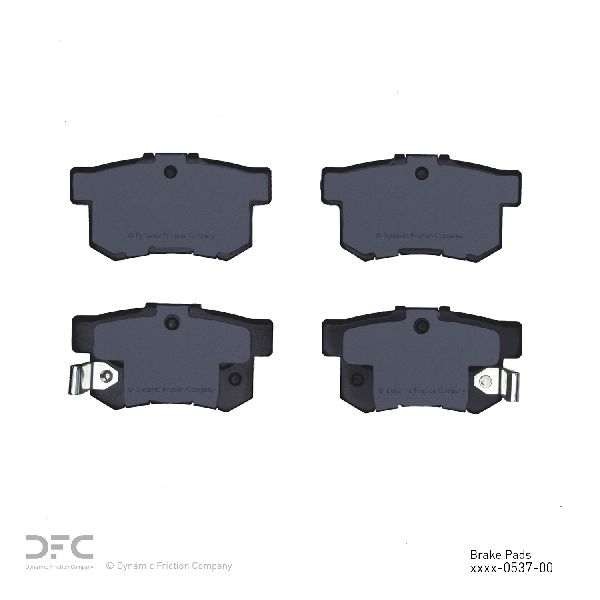
| Economy | Pronto, Dynamic Friction, Total Stopping Solutions | Basic transportation, budget-conscious repairs | These pads meet basic safety standards and are very affordable. They may not last as long or be as quiet as higher-tier options. |
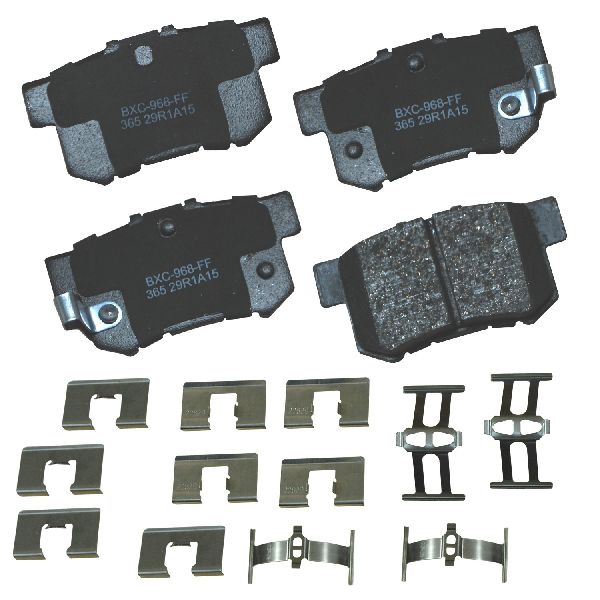
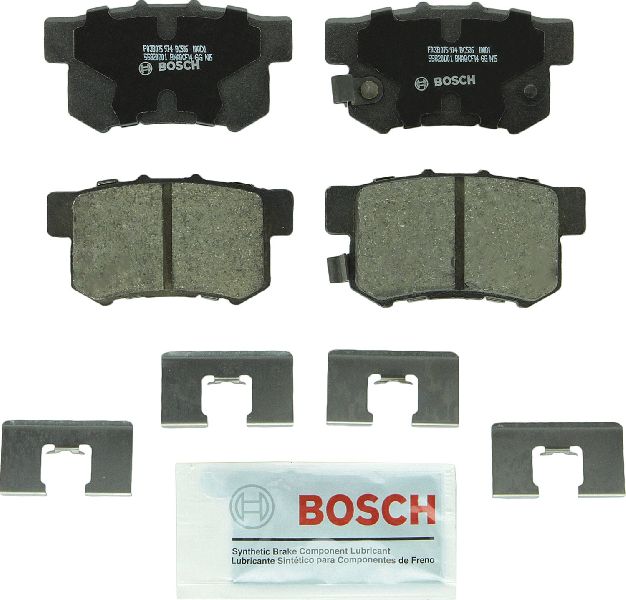
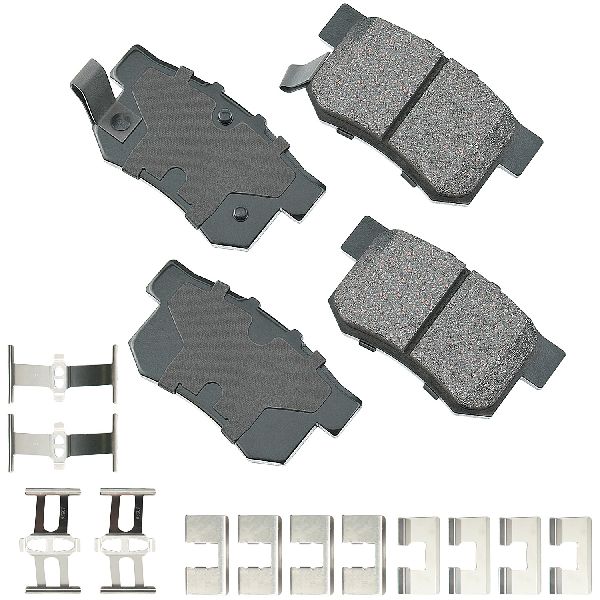
| Daily Driver / OEM-Quality | Akebono, Advics, Bosch, Centric, Raybestos, Wagner | Everyday street use, matching or exceeding factory performance | Akebono is a known OEM supplier for Honda/Acura and is praised for its low dust and quiet operation. Centric and Raybestos are also popular choices for reliable, everyday performance. |
| Performance Street / Autocross | Hawk (HPS, HP+), EBC Brakes, StopTech, Powerstop, Brembo | Spirited driving, occasional track days, and autocross | These pads offer significantly more stopping power, especially when hot. The trade-off can be more brake dust and noise, and some performance pads like the Hawk HPS can have a weaker initial bite when cold. |
Ceramic vs. Semi-Metallic
For most Integra owners, ceramic pads are the best choice for daily driving. They are quiet, produce very little light-colored dust, and are gentle on brake rotors. Semi-metallic pads are often found in performance applications. They handle high heat better but can be noisier and produce more dark-colored dust.
Frequently Asked Questions
Do I need to replace my rotors at the same time as my pads?
It is highly recommended. If your old pads were worn down to the metal, you must replace the rotors. Even if they weren't, installing new pads on a worn, uneven rotor surface can cause noise, vibration, and reduced stopping power. For best results, always install new pads and rotors together.
What is "bedding-in" new brake pads?
Bedding-in is a process of several controlled stops to transfer an even layer of friction material from the new pads onto the rotors. This ensures smooth, powerful, and quiet braking. Most performance pad manufacturers provide specific instructions, but it typically involves a series of moderate stops from around 60 mph without coming to a complete stop, followed by a cool-down period.
🎬 See how to properly bed your brakes for maximum performance.Are front and rear brake pads the same?
No, front and rear brake pads are different shapes and sizes and are sold in separate sets. The front brakes on an Integra do most of the stopping work, so the front pads are larger and will typically wear out faster than the rears.
My rear calipers won't compress. What do I do?
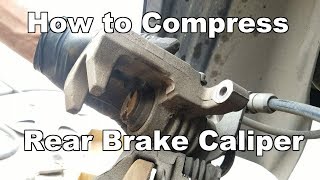
The rear brake calipers on a 1997-2002 Integra have an integrated parking brake mechanism. Unlike the front calipers where the piston can be simply pushed back, the rear caliper piston must be twisted and pushed simultaneously to retract. A special caliper cube tool or a dedicated wind-back tool is required for this job.
🎬 Learn how to use the tool to compress rear caliper pistons.Helpful Videos

Technical Specifications
OEM Part Numbers: 45022-ST7-A02 45022-ST7-416 43022-SR2-040
Brake pads differ significantly between Type R (5-lug) and non-Type R (LS, GS, GS-R, 4-lug) models. Rear calipers require a special tool to twist the piston back during replacement.
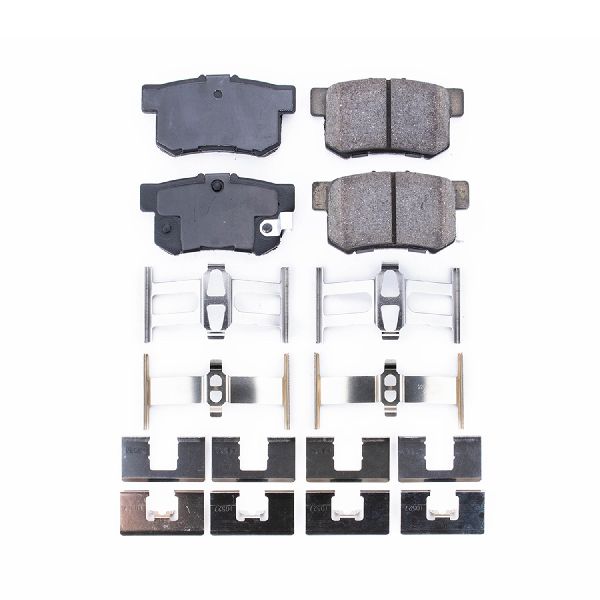
We Have This Part in Stock
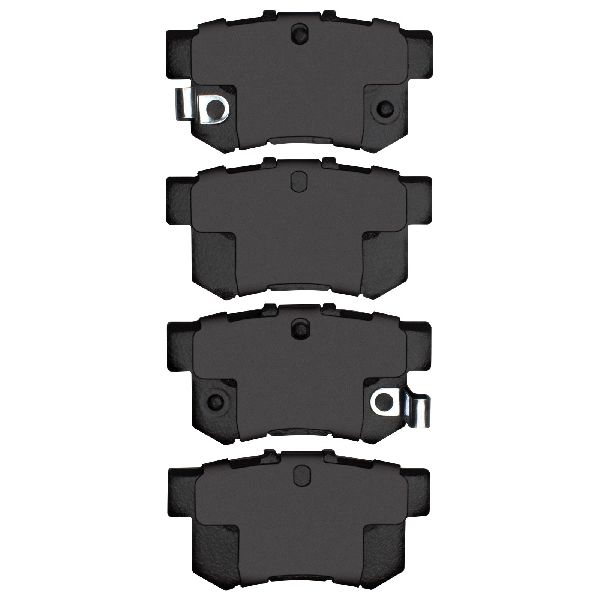

The information in this article is provided for general reference and educational purposes only. Vehicle specifications, procedures, and part compatibility can vary by production date, trim level, and region. Always consult your vehicle's factory service manual and verify part numbers before purchasing or performing repairs. Safety-critical components such as airbags, seat belts, and braking systems should be installed by a qualified professional.
- Acura Integra: