

A Guide to Aftermarket Brake Pads for the 1997-2002 BMW 323i
Get the right stopping power and avoid common issues with your E46 brake pad replacement.
- Always replace the brake pad wear sensor if the warning light is on; it's best practice to replace it with every pad change.
- Choose pads based on your priorities: Akebono for low dust, Textar for OEM feel, or Hawk for performance.
- Clean and lubricate caliper guide pins during the job to prevent uneven wear and ensure proper caliper function.
- For best results and safety, consider replacing your brake rotors at the same time as your pads.
Signs of Worn Brake Pads
Your BMW 323i has a couple of ways to tell you it's time for new brake pads. Ignoring these signs can lead to more expensive repairs, like needing new brake rotors.
- Brake Warning Light: Your E46 is equipped with brake pad wear sensors on the front left and rear right wheels. When a pad wears down to a minimum level, it breaks the sensor circuit, triggering a warning light on your dashboard. Once this light is on, the sensor must be replaced along with the pads.
- Squealing or Grinding Noises: A high-pitched squeal when you apply the brakes is an early warning. A louder, metal-on-metal grinding sound is more serious and means your pads are completely worn away, which can quickly damage your brake rotors.
- Vibration or Pulsing: If you feel a pulsing in the brake pedal or steering wheel when braking, it could be a sign of unevenly worn pads or warped rotors.
- Reduced Stopping Power: If your car takes longer to stop than it used to, your brake pads may be worn out or "glazed," meaning the surface has become hardened and less effective.
Choosing the Right Aftermarket Brake Pads
When shopping for new brake pads, you have many choices beyond the original equipment (OEM) parts from the dealership. Aftermarket pads offer a wide range of options to suit your driving style and budget.
OEM-Equivalent vs. Aftermarket
Original BMW brake pads, often made by brands like Textar, Jurid, or Pagid, are known for their strong initial "bite" and performance. However, they are also known for producing a lot of brake dust, which can make your wheels look dirty. Aftermarket pads provide alternatives that can offer different characteristics.
- Ceramic Pads: A popular choice for daily driving. Brands like Akebono are well-regarded for producing very little dust and being quiet. The trade-off can sometimes be a slightly less aggressive initial bite compared to OEM pads.
- Semi-Metallic Pads: These pads offer excellent performance and heat dissipation, making them a good choice for spirited driving. Brands like Hawk and EBC fall into this category. They may produce more dust and noise than ceramic pads.
- Organic Pads: Often found in budget-friendly options, these are made from non-metallic materials. They are typically quiet but may wear faster and not perform as well under heavy braking.
| Tier | Brands | Best For |
|---|---|---|
| Premium / OEM-Equivalent | Textar, Pagid, ATE, Brembo | Drivers who want original factory performance and feel. |
| Performance Upgrade | Hawk, EBC Brakes, StopTech, Powerstop | Spirited street driving or occasional track use, with a focus on stopping power. |
| Low-Dust / Daily Driver | Akebono, Bosch, Centric, Wagner | Commuters who prioritize clean wheels and quiet operation over maximum performance. |
| Budget-Friendly | Dynamic Friction, Pronto, Raybestos | Basic, reliable transportation where cost is the primary concern. |
Don't Forget the Wear Sensors
Your 1997-2002 323i uses a brake pad wear sensor on the front-left and rear-right wheels. If your brake warning light is on, you must replace the sensor along with the pads. Even if the light isn't on, it's highly recommended to replace them as they become brittle and may not fit securely in the new pads.
Known Issues & Recalls
No specific recalls or Technical Service Bulletins (TSBs) related to the disc brake pads were found for the 1997-2002 BMW 323i during research. General brake system recalls for BMW have been issued for much newer models and do not apply to the E46 chassis. The most common reported issues are related to the wear sensors failing or the wiring being damaged, which can cause a false warning light.
Pro Tip: Service Your Caliper Guide Pins
When changing your brake pads, it's a perfect time to service the caliper guide pins. These pins allow the caliper to slide freely. If they get stuck, it can cause uneven pad wear and reduced braking performance. Remove the pins, clean them thoroughly with a wire brush and brake cleaner, and apply a small amount of silicone-based brake grease before reinstalling. Do not over-lubricate, as this can attract dust and cause problems.
Frequently Asked Questions (FAQ)
Do I need to replace my rotors at the same time as my pads?
Not always, but it's highly recommended. Rotors wear down just like pads. If you feel a pulsing when you brake, your rotors are likely warped and must be replaced. Installing new pads on old, worn rotors can reduce braking effectiveness and cause noise. For best performance, replace pads and rotors together.
What is a brake pad wear sensor and why do I need to replace it?
It's a small sensor that clips into the brake pad. As the pad material wears down, the sensor head eventually makes contact with the brake rotor, which wears through a wire and breaks an electrical circuit. This triggers the brake warning light on your dash. Once the circuit is broken, the sensor is destroyed and cannot be reused.
How do I reset the brake warning light after changing the pads and sensor?
After installing the new pads and a new wear sensor, simply turn the ignition to the second position (without starting the engine) and wait. The system will perform a self-check, and after about 30-60 seconds, the light should go out on its own.
What does "bedding-in" new brakes mean?
Bedding-in is a process of transferring a thin, even layer of friction material from the new pads onto the rotors. This is crucial for optimal performance, preventing noise, and ensuring a long life for your new brakes. The procedure typically involves a series of controlled stops from moderate speeds. Always follow the specific instructions provided by the brake pad manufacturer.
Technical Specifications
OEM Part Numbers: 34116761244 34216761239 34351164371
The E46 323i uses single-piston floating calipers. There is one brake pad wear sensor for the front axle (driver's side) and one for the rear axle (passenger's side). Front caliper bracket bolts should be torqued to 110 Nm (81 ft-lbs), and guide pins to 30 Nm (22 ft-lbs).
We Have This Part in Stock
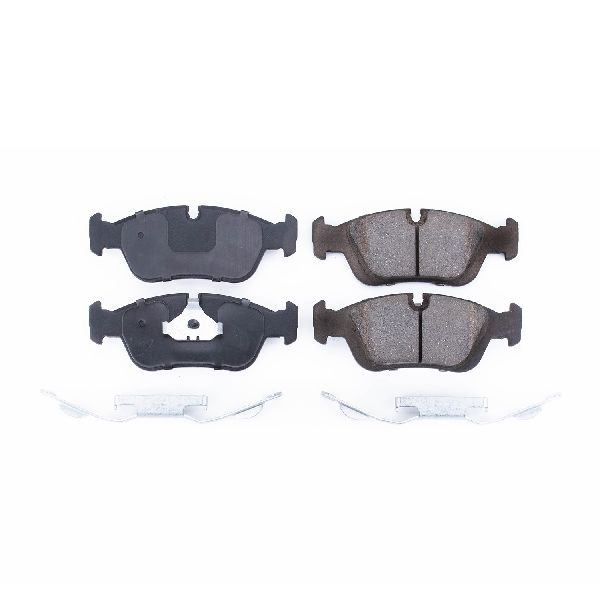
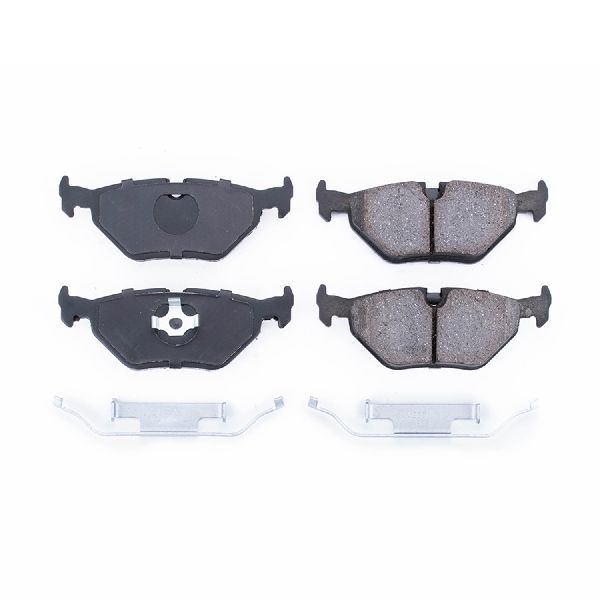
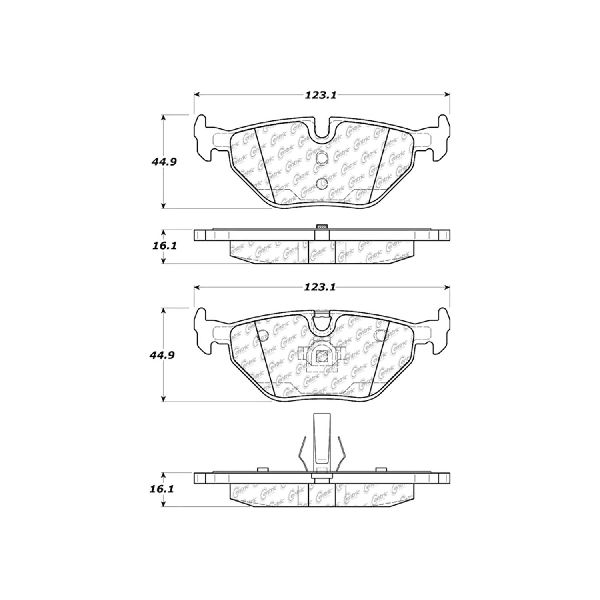
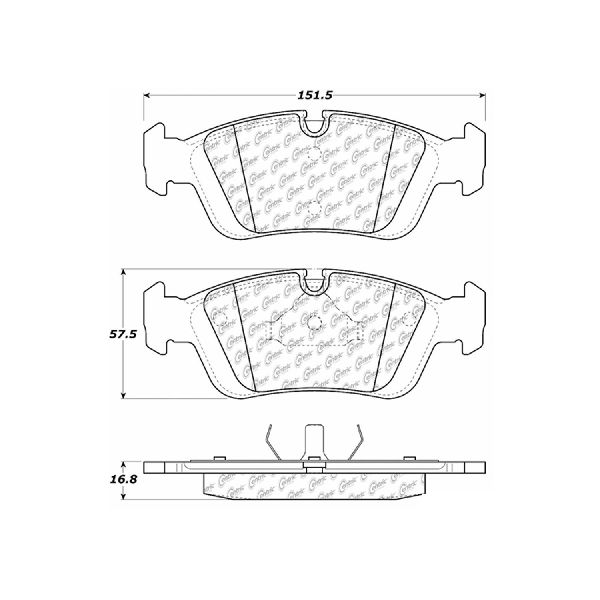

The information in this article is provided for general reference and educational purposes only. Vehicle specifications, procedures, and part compatibility can vary by production date, trim level, and region. Always consult your vehicle's factory service manual and verify part numbers before purchasing or performing repairs. Safety-critical components such as airbags, seat belts, and braking systems should be installed by a qualified professional.
- BMW 323i: