

Ignition Coil Guide for 1997-2002 BMW 323i (E46)
Keep your BMW's engine running smoothly by understanding ignition coil failure and choosing the right replacement.
- Ignition coil failure is common and presents as a rough idle, check engine light (P0301-P0306), and loss of power.
- Check for oil leaks from the valve cover gasket, as this is a primary cause of coil failure.
- For best results, choose reputable aftermarket brands like Bosch, Delphi, or NGK.
- Replacing all six coils at once is recommended if they are original and have high mileage.
Symptoms of a Failing Ignition Coil
Ignition coil failure is a common issue on the E46 platform as they age. The coils are located directly on top of the engine, where they are exposed to significant heat and vibration, which can cause them to wear out over time. When a coil starts to fail, the symptoms are usually noticeable. You don't need to replace them as preventative maintenance, but you should address the issue once symptoms appear. Ignoring a bad coil can lead to further problems, including damage to your catalytic converters.
Common signs include:
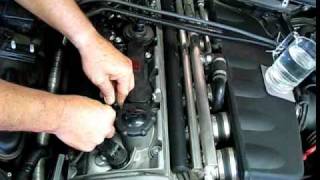
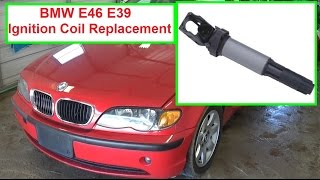
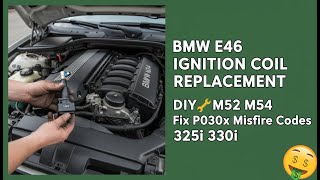
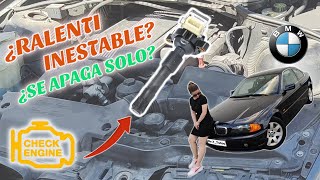
- Check Engine Light: A failing coil will often trigger a misfire, which illuminates the Check Engine Light. Diagnostic trouble codes like P0301 through P0306 indicate 🎬 Watch this guide on diagnosing and replacing coils for these codes. a misfire on a specific cylinder (e.g., P0303 is cylinder 3).
- Rough Idle and Vibrations: One of the first and most common symptoms is a rough, shaky idle. The engine may vibrate noticeably when the car is stopped.
- Engine Misfires: You may feel the engine hesitate, jerk, or sputter, especially during acceleration. This happens because the cylinder with the bad coil isn't firing correctly.
- Loss of Power: With one less cylinder contributing, your car will feel sluggish and less powerful.
- Poor Fuel Economy: The engine's computer tries to compensate for the misfire, often by using more fuel, which leads to worse gas mileage.
- Difficulty Starting or Stalling: In more severe cases, the car may be hard to start or may stall unexpectedly. A complete failure of multiple coils can result in a no-start condition.
A Common Cause of Failure
A frequent cause of ignition coil failure on the E46 is a leaking valve cover gasket. Oil seeps into the spark plug wells, contaminating and damaging the ignition coil boot and the coil itself. If you find oil on the coil boot when you remove it, you must fix the oil leak by replacing the valve cover gasket before installing new coils.
Choosing the Right Aftermarket Ignition Coil
When it comes to ignition parts for a BMW, quality matters. While some aftermarket parts can be a gamble, several reputable brands produce reliable ignition coils for the 323i. The original equipment (OE) manufacturer for these vehicles was typically Bosch.
Brand Tiers
- Tier 1 (OEM/OES Quality): Brands like Bosch, Delphi, and NGK are excellent choices. Bosch was the original supplier, and many owners stick with them. However, some forum discussions suggest that BMW later favored Delphi for improved reliability on newer models. Both are considered top-tier options. NGK is also a highly respected name in ignition systems.
- Tier 2 (Quality Aftermarket): Brands such as Standard Motor Products (SMP) and Hitachi generally have a good reputation for producing quality electrical components that meet or exceed OEM specifications. They can be a reliable choice if Tier 1 options are not available.
- Tier 3 (Economy): Brands like URO Parts often have mixed reviews. While some users report no issues, many others in forums advise against using them for critical electronic parts, citing higher failure rates. For a component as crucial as an ignition coil, it is generally recommended to invest in a more reputable brand to avoid future headaches.
Replace in Sets or Individually?
If one coil fails and the others are original with high mileage, it's a good idea to replace all six at once. The others are likely near the end of their service life and could fail soon. This saves you from having to do the same job multiple times. While you're replacing the coils, it's also the perfect time to inspect and replace your spark plugs if they are due.
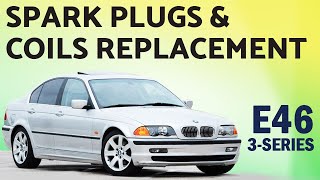
🎬 See how to replace both spark plugs and coils together.Cost of Replacing Ignition Coils
| Item | Cost Range |
|---|---|
| New Aftermarket Ignition Coil (Single) | $28.97 - $84.86 |
| Shop Labor (All 6 Coils) | $100 - $200 |
Frequently Asked Questions
How do I find out which ignition coil is bad?
The easiest way is to use an OBD2 scanner to read the trouble codes. A code like P0304 indicates a misfire in cylinder 4. If you don't have a scanner, you can diagnose it by swapping coils. While the engine is off, swap the suspected bad coil with a known good one from another cylinder. Clear the codes or run the engine until the check engine light comes back on. If the misfire code follows the coil to the new cylinder, you've confirmed the coil is bad.
Is replacing an ignition coil a difficult job?
No, this is a very straightforward and common DIY repair for E46 owners. The coils are easily accessible on top of the engine after removing the plastic engine cover. The job requires basic hand tools and can typically be completed in under an hour.
Do I need a special tool to remove the ignition coil?
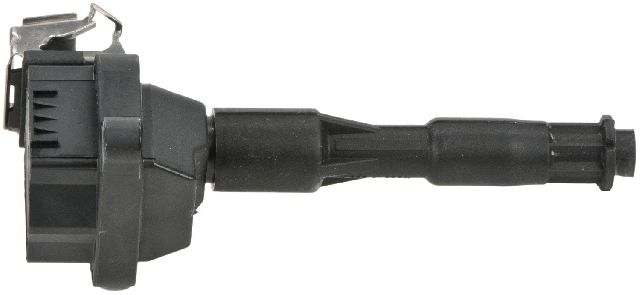
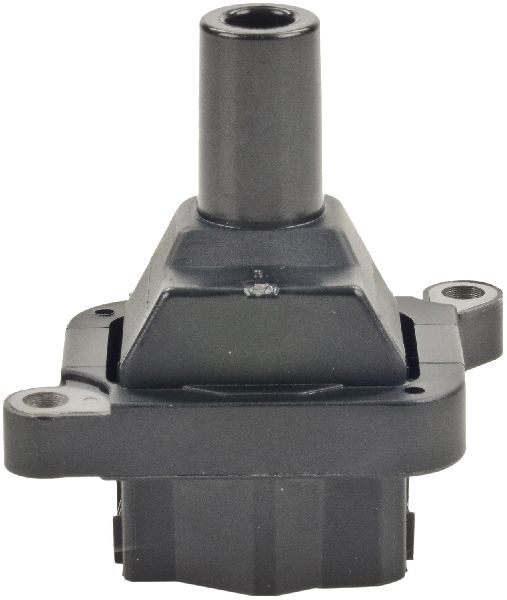
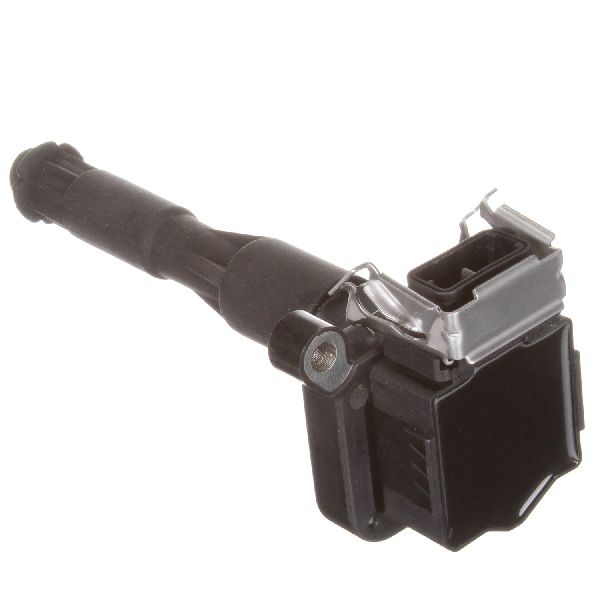
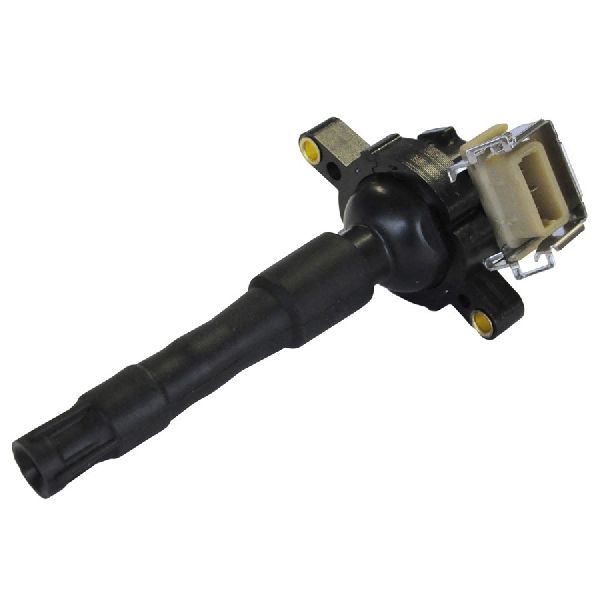
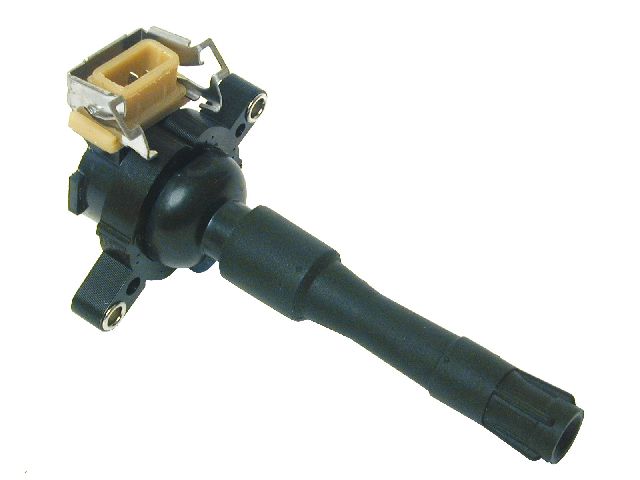
For the 1997-2002 323i, the coils are typically the earlier style that are bolted down with two 10mm fasteners. After removing the bolts and disconnecting the electrical connector, the coil can be pulled straight up. Sometimes they can be stuck, so twisting while pulling can help break them free. No special puller is required. Later E46 models used a different push-in style coil.
Should I put dielectric grease on the new coil?
Yes, applying a small amount of dielectric grease to the inside of the new coil boot is recommended. This helps ensure a good seal, prevents moisture intrusion, and makes it easier to remove the coil in the future.
Helpful Videos
Technical Specifications
OEM Part Numbers: 12131748018 12139067830
The 1997-2002 BMW 323i uses a coil-on-plug system with six individual ignition coils. The earlier style for this model range typically uses a bolt-down design with two 10mm fasteners, as opposed to the push-in or clip-on style found on later models.
We Have This Part in Stock


The information in this article is provided for general reference and educational purposes only. Vehicle specifications, procedures, and part compatibility can vary by production date, trim level, and region. Always consult your vehicle's factory service manual and verify part numbers before purchasing or performing repairs. Safety-critical components such as airbags, seat belts, and braking systems should be installed by a qualified professional.
- BMW 323i: