

A Guide to Ignition Coils for the 1997-2002 BMW 525i (E39)
Solve engine misfires and restore your E39's smooth performance by choosing the right ignition coil.
- Stick to OEM (Bosch) or premium aftermarket brands like Delphi and NGK for reliability; avoid budget coils.
- A leaking valve cover gasket is a common cause of coil failure; inspect for oil leaks and replace the gasket if necessary.
- Replacing all six ignition coils at once is recommended for preventative maintenance and consistent performance.
- This is a simple DIY job that requires basic tools and can be done in under an hour.
Signs of a Failing Ignition Coil
When an ignition coil on your 525i starts to fail, the symptoms are usually easy to notice. Because the M54 engine relies on all six cylinders firing correctly, even one bad coil can disrupt performance. Ignoring the signs can lead to more severe problems, like damage to your catalytic converters from unburned fuel.
Common symptoms include:
- Engine Misfires: This is the most common sign. It can feel like a stumble, hesitation, or jerking from the engine, especially when you accelerate.
- Rough Idle: When the car is stopped, you might feel a heavy vibration or shaking because the engine isn't running smoothly.
- Check Engine Light: A failing coil will almost always turn on the check engine light. You will likely see codes like P0300 (random misfire) or P0301 through P0306, where the last number tells you which cylinder is misfiring (e.g., P0302 is cylinder 2).
- Loss of Power and Poor Fuel Economy: Your car will feel sluggish, and you'll notice you're getting worse gas mileage because the engine is trying to compensate for the dead cylinder.
- Difficulty Starting: In more serious cases where multiple coils are failing, the engine may be hard to start or stall unexpectedly.
A Common Cause of Failure
A very common reason for ignition coil failure on the E39 525i is a leaking valve cover gasket. When the gasket fails, oil can leak into the spark plug tubes and soak the bottom of the ignition coil, causing it to short out and fail. If you find oil on the coil boots when you pull them out, you must replace the valve cover gasket to prevent the new coils from failing again.
Choosing the Right Aftermarket Ignition Coil
When it comes to ignition parts for a BMW, quality matters. While budget-friendly options are available, they often have a reputation for failing quickly, leading you to do the job all over again. Sticking with proven brands is the best way to ensure reliability.
Brand Quality Tiers for Your 525i
Tier 1: OEM & Premium Brands
- Bosch: Bosch is the Original Equipment Manufacturer (OEM) for the ignition coils on this generation of BMW. Choosing Bosch is the closest you can get to the original part your car came with. While there was a recall on some BREMI-made coils for later models, Bosch was the specified replacement part. Some recent forum discussions mention a decline in quality for newer Bosch coils, but for many years they have been the go-to choice.
- Delphi: Delphi is another top-tier OEM supplier for many car brands, including BMW on later models. They are considered equal in quality to Bosch and are a highly recommended alternative.
- NGK: Known for their high-quality spark plugs, NGK also produces reliable ignition coils that are a popular choice among BMW owners.
Tier 2: Quality Aftermarket Brands
- Standard Ignition (SMP): A well-regarded aftermarket manufacturer that produces reliable parts.
- Spectra: Offers dependable aftermarket coils that can be a good balance of price and quality.
Tier 3: Economy Brands
- URO Parts, DriveWire, etc.: These brands offer the lowest price point. However, they are often associated with lower quality and a shorter lifespan. While they might work in a pinch, they are not recommended for long-term reliability on a BMW. Many mechanics report issues with these cheaper coils failing prematurely.
Should You Replace All Six Coils at Once?
It is highly recommended. Ignition coils are subjected to the same heat and vibration over their lifespan. When one fails, it's often a sign that the others are nearing the end of their service life. Replacing all six at the same time is good preventative maintenance and can save you from having to do the same job again in a few months. It also ensures consistent performance across all cylinders.
Replacement Cost
The cost to replace ignition coils on your 525i can vary depending on the brand of parts you choose and whether you do the work yourself.
| Item | Estimated Cost |
|---|---|
| New Aftermarket Ignition Coil (Single) | $28.97 - $165.95 |
| New OEM Bosch Ignition Coil (Single) | $50 - $120 |
| Shop Labor (All Six Coils) | $70 - $150 |
Frequently Asked Questions (FAQ)
Is replacing the ignition coils a DIY job?
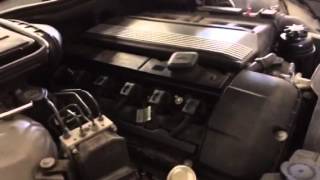
Yes, this is a very DIY-friendly job. It requires basic tools, like a 10mm socket, and can typically be completed in under an hour. The coils are easily accessible after removing the plastic engine cover. Each coil is held in by two 10mm fasteners and an electrical connector.
How do I know which ignition coil is bad?
The easiest way is to use an OBD-II scanner to read the trouble code, which will point to a specific cylinder (e.g., P0304 for cylinder 4). If you don't have a scanner, you can diagnose it by swapping the suspected bad coil with a coil from a known good cylinder. For example, if you suspect cylinder 3 is misfiring, swap its coil with the one from cylinder 1. 🎬 Watch this video to see how to test your coils. Clear the codes and run the engine. If the misfire code now shows P0301, you know the coil is the problem.
Were there any recalls for the 1997-2002 525i ignition coils?
There was a voluntary emissions recall campaign for some BMW models produced from September 2002 onwards that used M54 engines, which included the 525i. This recall was for ignition coils made by a manufacturer named BREMI, which were prone to failure. The fix was to replace the BREMI coils with Bosch coils. Vehicles in the 1997-2001 range were not part of this specific recall.
Do I need any special tools?
No special tools are required. A basic socket set with a 10mm socket, a ratchet, and possibly a flathead screwdriver is usually all that's needed. Applying a small amount of dielectric grease to the inside of the new coil boot is recommended to make future removal easier and protect the connection.
Helpful Videos
Technical Specifications
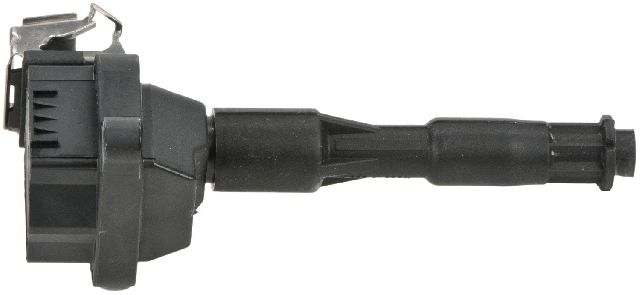
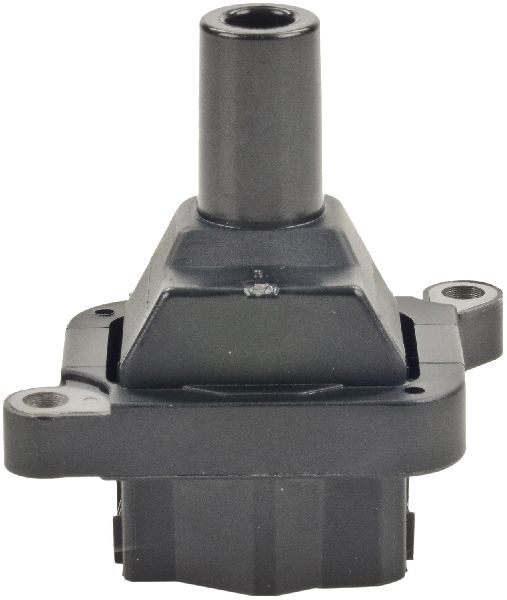
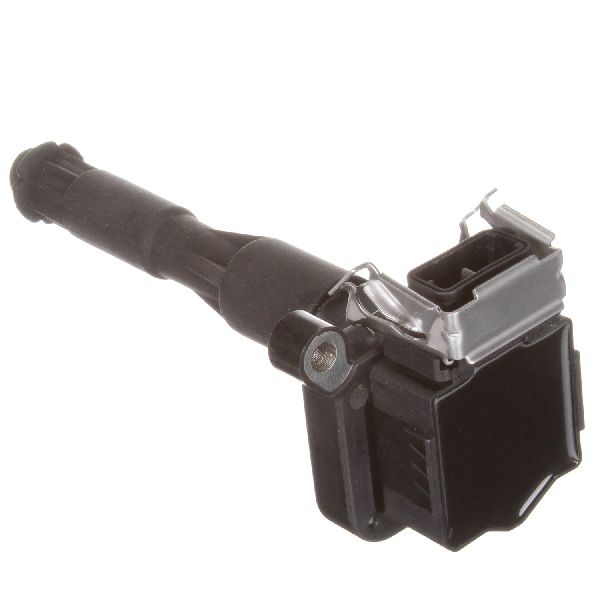
OEM Part Numbers: 12131748018 12137599219 12139067830 12131703228
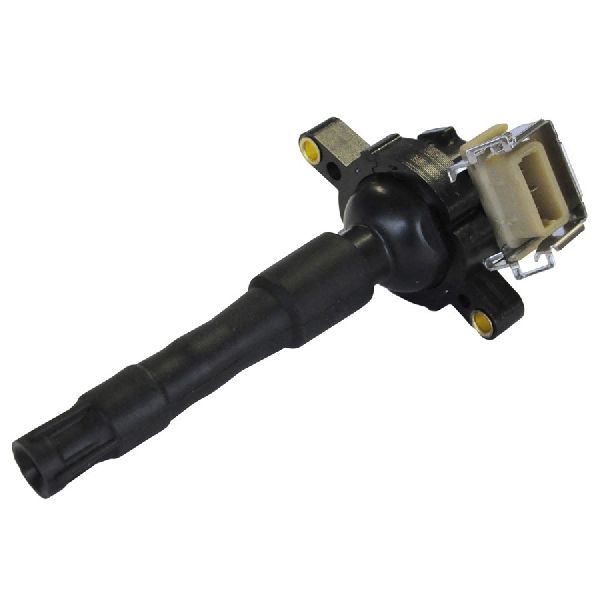
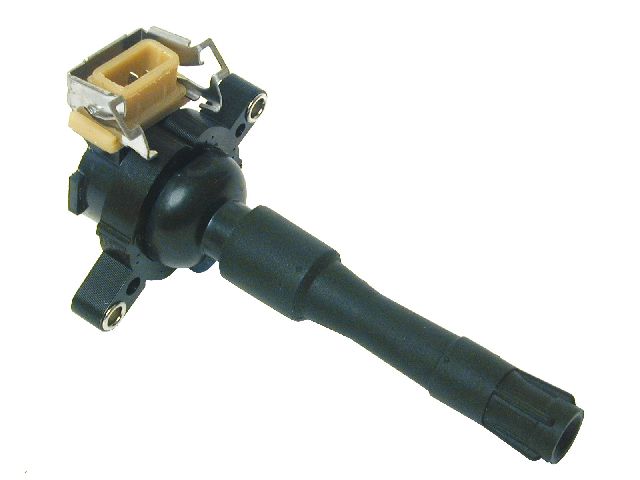
Coil-on-plug ('pencil' type) design with a 3-pin female connector.
We Have This Part in Stock


The information in this article is provided for general reference and educational purposes only. Vehicle specifications, procedures, and part compatibility can vary by production date, trim level, and region. Always consult your vehicle's factory service manual and verify part numbers before purchasing or performing repairs. Safety-critical components such as airbags, seat belts, and braking systems should be installed by a qualified professional.
- BMW 525i: