

Ford E-150 Econoline Fuel Tank Pressure Sensor Guide (1997-2002)
Fix your Check Engine light and EVAP codes by understanding the fuel tank pressure sensor in your van.
- A bad FTP sensor will almost always trigger a Check Engine Light with EVAP codes (P0452, P0453, etc.).
- Always check for a loose or faulty gas cap before assuming the sensor is bad.
- Replacement is a difficult job that requires dropping the fuel tank; it is not easily accessible.
- Quality aftermarket brands like Standard Ignition are a reliable and cost-effective alternative to OEM for this part.
Is a Bad Fuel Tank Pressure Sensor Causing Your Check Engine Light?
If you own a 1997-2002 Ford E-150 Econoline, a glowing Check Engine Light is often the first sign of a problem with the Fuel Tank Pressure (FTP) sensor. This sensor is a critical part of your van's EVAP system, which prevents fuel vapors from polluting the atmosphere. When the sensor fails, the vehicle's computer can no longer verify that the fuel system is properly sealed, leading to failed emissions tests and that annoying light on your dash.
Primary Symptoms of Failure
The most common symptom by far is a Check Engine Light. You will likely not notice any change in how your van drives. A mechanic or an OBD-II scanner can read the diagnostic trouble codes (DTCs) to pinpoint the issue. Codes related to a failing FTP sensor include:
- P0452: Evaporative Emission System Pressure Sensor/Switch Low Input
- P0453: Evaporative Emission System Pressure Sensor/Switch High Input
- P0442: Evaporative Emission System Leak Detected (Small Leak)
- P0455: Evaporative Emission System Leak Detected (Gross Leak)
- P0456: Evaporative Emission System Leak Detected (Very Small Leak)
In some rare cases, you might also notice a faint fuel smell or a slight decrease in fuel economy.
Check the Gas Cap First!
Before you spend money on a new sensor, always check your gas cap. A loose, cracked, or worn-out gas cap is a very common cause for EVAP-related codes like P0455. Make sure it's tight (at least three clicks) and that the rubber seal is not damaged. This simple check can save you a lot of time and money.
Choosing a New Aftermarket Sensor
When it's time to replace the FTP sensor, you have a few options. For a vehicle of this age, a quality aftermarket part offers a good balance of price and reliability.
- Standard Ignition (SMP): Often considered a top-tier aftermarket brand. They have a long history of making quality electronic parts and are a reliable choice that often meets or exceeds OEM quality.
- Global Parts (GPD): This brand markets itself as a direct-fit, OE-equivalent option. They are designed to meet the original specifications for fit and function and can be a cost-effective solution.
- Replacement (Store Brands): These are often the most affordable option but can have inconsistent quality. While they may work fine, brands with a more established reputation like Standard Ignition are generally a safer bet for a part that is difficult to access.
- Motorcraft (OEM): This is the original Ford part. While it's the benchmark for quality, a good aftermarket part from a reputable brand is usually sufficient and more affordable for this specific component.
Installation: This is Not a Simple Job
Replacing the FTP sensor on the 1997-2002 E-150 is a difficult task. The sensor is located on top of the fuel tank, mounted as part of the fuel pump assembly. To access it, you must lower the entire fuel tank.
Dropping the Fuel Tank is Required
This job is not for beginners. It requires safely lifting the vehicle, supporting the fuel tank, disconnecting fuel lines, electrical connectors, and filler/vent hoses before lowering the tank. It is highly recommended to do this when the tank is as empty as possible to make it lighter and safer to handle. If you are not experienced with this type of work, it is best left to a professional mechanic.
| Part Type | Estimated Part Cost |
|---|---|
| New Aftermarket (Global Parts, Replacement) | $45 - $80 |
| New Aftermarket (Standard Ignition) | $60 - $95 |
| New OEM (Motorcraft) | $75 - $110 |
| Shop Labor | $250 - $500 |
Frequently Asked Questions
Can I replace the FTP sensor myself?
If you are an experienced DIY mechanic who is comfortable and equipped to safely drop a fuel tank, then yes. For most people, this is a job for a professional due to the difficulty and safety precautions involved.
Where is the FTP sensor located on the E-150?
It is located on the top of the fuel tank, usually as part of the fuel pump module assembly. You cannot see or access it without lowering the tank from under the van.
Are there any recalls for this part?
No. While there have been several recalls for the 1997-2002 E-150, none are specifically for the fuel tank pressure sensor.
Will a bad FTP sensor make my van run poorly?
It is very unlikely. The primary symptom is just the Check Engine Light and a failed emissions test. In rare instances, it could contribute to hard starting or a fuel smell, but it typically does not affect engine performance.
Technical Specifications
OEM Part Numbers: CX-2380 XS4Z9C052AA XS4Z9F479AA F6DZ9C052CA
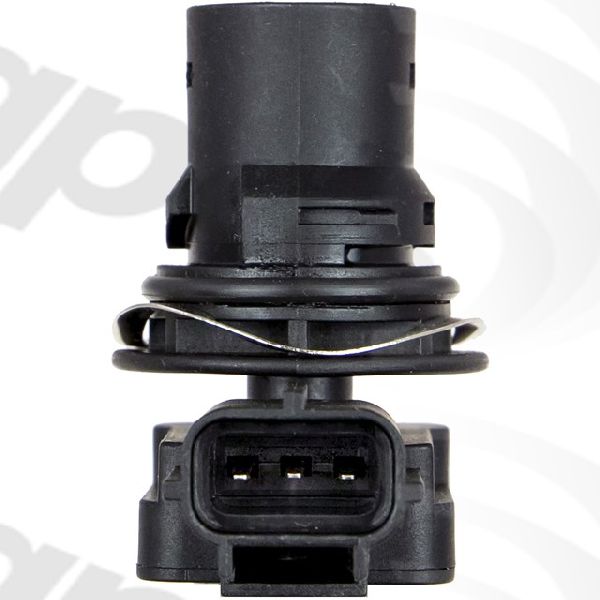
Mounts on top of the fuel tank assembly. Features a 3-pin male blade electrical connector.
We Have This Part in Stock


The information in this article is provided for general reference and educational purposes only. Vehicle specifications, procedures, and part compatibility can vary by production date, trim level, and region. Always consult your vehicle's factory service manual and verify part numbers before purchasing or performing repairs. Safety-critical components such as airbags, seat belts, and braking systems should be installed by a qualified professional.
- Ford E-150 Econoline: