

Ford Expedition A/C Expansion Valve & Orifice Tube Guide (1997-2002)
Is your Expedition's A/C blowing warm? Here’s what to know about fixing it right.
- Your Expedition has a front orifice tube and, if equipped with rear A/C, a rear expansion valve.
- When replacing the orifice tube, check the screen for metal shavings, which indicates a failing compressor.
- Replacing the accumulator/drier at the same time is highly recommended for a long-lasting repair.
- This job requires special A/C tools and proper handling of refrigerant, making it a task for experienced DIYers or a professional shop.
Front Orifice Tube vs. Rear Expansion Valve

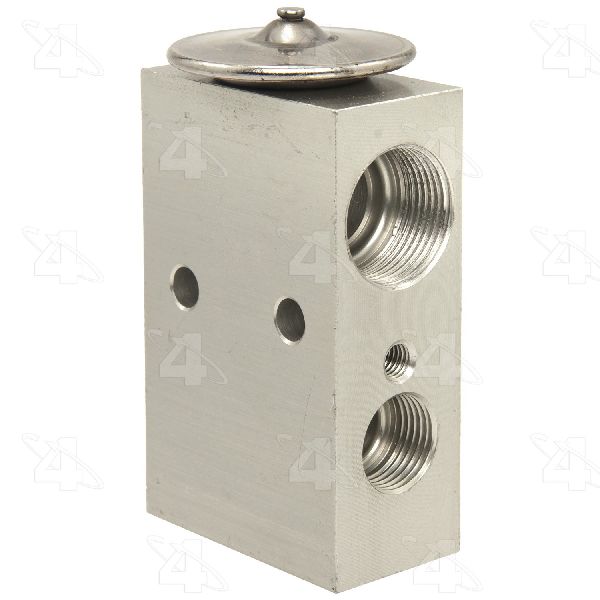
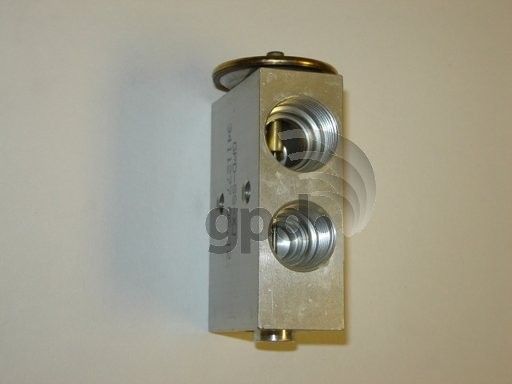
It's important to know what your truck has. All 1997-2002 Expeditions have a front A/C system that uses an orifice tube. This is a small, simple filter and valve located in the high-pressure A/C line in the engine bay, usually near the battery. If you have factory rear air conditioning, you also have a rear expansion valve. This is a block-style valve located behind the interior trim panels in the right rear of the vehicle. A failure in the front orifice tube will only affect the front A/C, while a failure in the rear valve will only affect the rear A/C.
Symptoms of a Bad Orifice Tube or Expansion Valve

When these parts fail, they usually get clogged with debris or stick open. Here’s what you’ll notice:
- Warm or Inconsistent Air: The most common symptom is warm air blowing from the vents, even when the A/C is on max. You might also get air that switches between cool and warm.
- Frost on A/C Parts: A valve stuck open can let too much refrigerant through, causing the evaporator or A/C lines to get frosty. A clogged orifice tube can sometimes cause frost to appear right at the restriction.
- Compressor Constantly Running or Short Cycling: A bad valve can send bad pressure signals, causing the A/C compressor to run non-stop or turn on and off rapidly.
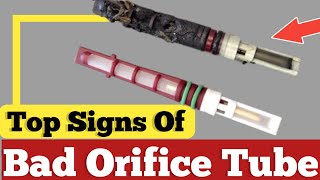
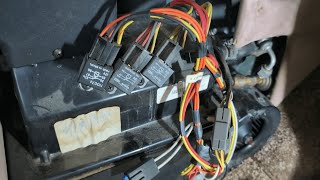
- Hissing Noise: You may hear a hissing sound from the dashboard area as the refrigerant struggles to get through the valve. 🎬 See a visual guide on common signs of a blown orifice tube.
Check for Metal Shavings
When you remove the old orifice tube, inspect its mesh screen. If you see fine metal particles, your A/C compressor is failing internally. If this is the case, you must replace the compressor and flush the entire A/C system, or the new orifice tube will clog again immediately.
Choosing the Right Aftermarket Part

For a part like this, you don't necessarily need to pay for the OEM Motorcraft part, but brand quality still matters. Aftermarket parts are generally reliable for this component.
- Tier 1 (Good): Four Seasons
Four Seasons is a well-known and trusted aftermarket brand for A/C components. Forum users and mechanics often report good fitment and reliability with their new parts. For the price, it's a solid choice that you can expect to last. - Tier 2 (Economy): Global Parts (GPD)
GPD is a budget-friendly option. While many have used their parts successfully, some users report occasional issues with fitment or premature failure on more complex parts like compressors. For a simple orifice tube or expansion valve, the risk is lower, but it's considered an economy brand.
Cost to Replace A/C Orifice Tube / Expansion Valve
| Part | Cost Range |
|---|---|
| New OEM (Motorcraft) | $10 - $75 |
| New Aftermarket (Four Seasons, GPD) | $32.35 - $43.15 |
| Shop Labor (including evac/recharge) | $200 - $350 |
| Estimated Total | $235 - $425 |
Note: Costs are estimates and can vary by location and which part (front or rear) is being replaced. The front orifice tube is much cheaper than the rear expansion valve. Labor includes legally required refrigerant recovery and recharge.
Frequently Asked Questions (FAQ)

Can I replace just the orifice tube or expansion valve?
Yes, but it is standard practice to also replace the A/C accumulator/drier anytime the system is opened to the atmosphere. The accumulator contains a desiccant that absorbs moisture, and it can only hold so much. A new accumulator is cheap insurance for the health of your A/C system.
🎬 Watch: How to replace the A/C accumulator while the system is open.Is this a DIY job?
This is a job for an advanced DIYer. While the part itself is not hard to swap, you need special tools, including an A/C manifold gauge set, a vacuum pump to remove moisture from the system, and an orifice tube puller tool. Also, it is illegal to release refrigerant into the atmosphere, so the system must be professionally evacuated first.
Where is the front orifice tube located?
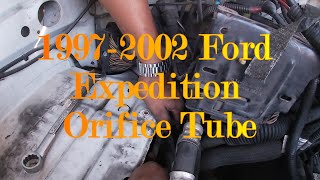
On the 1997-2002 Expedition, the front orifice tube is located in the high-pressure liquid line, which runs from the condenser (in front of the radiator) to the evaporator (at the firewall). You will find it inside a connection in the line, typically located just under or beside the battery.
🎬 Watch this walkthrough on how to replace the front orifice tube.Where is the rear expansion valve located?
For models with rear A/C, the expansion valve is attached to the rear evaporator. You have to remove the interior trim panel on the passenger side of the cargo area to access it.
Are there any recalls for the A/C on my Expedition?
No, there are no active recalls or common Technical Service Bulletins (TSBs) for the A/C orifice tube or expansion valve on the 1997-2002 Ford Expedition. The numerous A/C-related recalls you may see online apply to much newer Expedition models.
Helpful Videos
Technical Specifications
OEM Part Numbers: YG-346 F4XY-19849-A YG-834
System Type: Clutch Cycling Orifice Tube (Front), Expansion Valve (Rear, if equipped). Refrigerant Type: R-134a.
We Have This Part in Stock

The information in this article is provided for general reference and educational purposes only. Vehicle specifications, procedures, and part compatibility can vary by production date, trim level, and region. Always consult your vehicle's factory service manual and verify part numbers before purchasing or performing repairs. Safety-critical components such as airbags, seat belts, and braking systems should be installed by a qualified professional.
- Ford Expedition: