

Ford Expedition (1997-2002) Engine Oil Pressure Switch Guide
Is your oil pressure gauge acting strange? Here's what owners of 1997-2002 Expeditions need to know.
- The factory oil gauge is an indicator, not a precise instrument; it only shows 'normal' or 'zero'.
- A flickering gauge is the most common sign of a bad switch, not necessarily a bad engine.
- If the gauge drops AND you hear engine noise, shut the engine off immediately to prevent damage.
- For electrical parts on this truck, using the OEM Motorcraft brand is strongly recommended by other owners for reliability.
Is Your Oil Gauge Lying to You?
If you own a 1997-2002 Ford Expedition, you might see your oil pressure gauge suddenly drop to zero, only to pop back up to normal moments later. This often happens at idle or after the engine has warmed up. While alarming, the cause is frequently a faulty Engine Oil Pressure Switch, not a lack of oil pressure. This part is a known failure point, but it's important to understand the symptoms before replacing parts.
Warning: Don't Ignore the Gauge
Even though a faulty switch is common, you should never assume the warning is false. A zero reading could mean your engine has lost oil pressure, which can cause catastrophic failure in seconds. If the gauge drops and you hear any new engine noises like clattering, ticking, or knocking, shut off the engine immediately. When in doubt, have a mechanic test the actual oil pressure with a mechanical gauge.
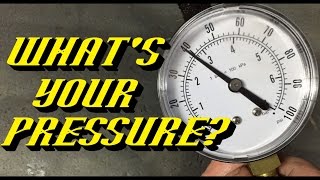
🎬 Learn why testing actual oil pressure is critical for engine health.Symptoms of a Failing Oil Pressure Switch
A bad oil pressure switch on your Expedition will usually cause electrical, not mechanical, symptoms. Here’s what to look for:
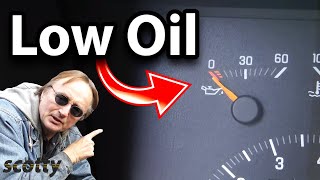
- Erratic Gauge Readings: The most common sign is the oil pressure gauge dropping to zero intermittently and then returning to its normal position. This can happen at stop lights or during normal driving. 🎬 See how a faulty sending unit causes erratic gauge readings.
- Oil Pressure Light On: The red oil warning light on the dash may flicker or stay on, even when the oil level is correct.
- Leaking Oil: The switch itself can fail, causing a slow oil leak from the sensor's body or seal. You might see oil on the switch or drips under the truck near the oil filter.
Choosing the Right Aftermarket Part: Motorcraft vs. Standard
For many parts, aftermarket brands offer a great value. However, for Ford electrical components, owner experience strongly suggests sticking with the original equipment (OEM) brand, Motorcraft.
- Motorcraft (OEM): This is the brand that Ford used when your Expedition was built. Forum discussions and reviews consistently recommend using Motorcraft for sensors like this one to ensure reliability and avoid changing the part again in a few months. Users report it's a 'do it once, do it right' situation.
- Standard Ignition (Aftermarket): Standard Motor Products (SMP) is a well-known aftermarket manufacturer. While they produce a wide range of quality parts, some users have reported that aftermarket oil pressure switches for Fords can fail prematurely. Given the somewhat difficult access to replace the part, the small cost savings may not be worth the potential for a repeat job.
Pro Tip: Location and Installation
The oil pressure switch is located on the engine block, near the oil filter housing. Access is tight, and it can be reached from either the top or from underneath the vehicle. Be very careful when tightening the new switch, as the aluminum housing it screws into can crack if you apply too much force.
| Part/Service | Estimated Cost |
|---|---|
| New OEM (Motorcraft) Switch | $35 - $50 |
| New Aftermarket (Standard) Switch | $31 - $40 |
| Shop Labor for Replacement | $80 - $150 |
Frequently Asked Questions
Is there a recall on the oil pressure switch for my Expedition?
No, there are no specific recalls or Technical Service Bulletins (TSBs) from Ford or the NHTSA for a faulty oil pressure switch on the 1997-2002 Ford Expedition. Recalls you may find online are for newer models and different engine components.
Why does the gauge read 'normal' and not show the actual pressure?
Ford designed the system this way to reduce owner complaints about fluctuating gauge needles. The switch simply detects if pressure is above a low threshold (around 7 PSI). As long as it is, the gauge is sent a signal to point to the middle 'normal' position. It is more of an indicator light than a true gauge.
Can I replace the oil pressure switch myself?
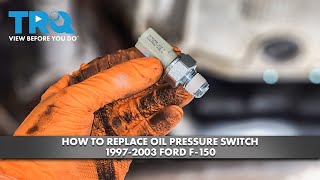
Yes, this is a DIY-feasible job for someone with basic mechanical skills. The main challenges are locating the switch and reaching it in a tight space near the oil filter. You will need a special deep socket, reportedly a 13/16" size. 🎬 Watch this step-by-step guide on replacing the oil pressure switch. Always let the engine cool completely before starting.
What happens if I ignore a faulty switch?
If the switch is just giving false readings, the main problem is the annoying and distracting warning light. However, the real danger is that you won't know if a real oil pressure problem occurs. It's best to replace it so you can trust your vehicle's warning systems.
Helpful Videos
Technical Specifications
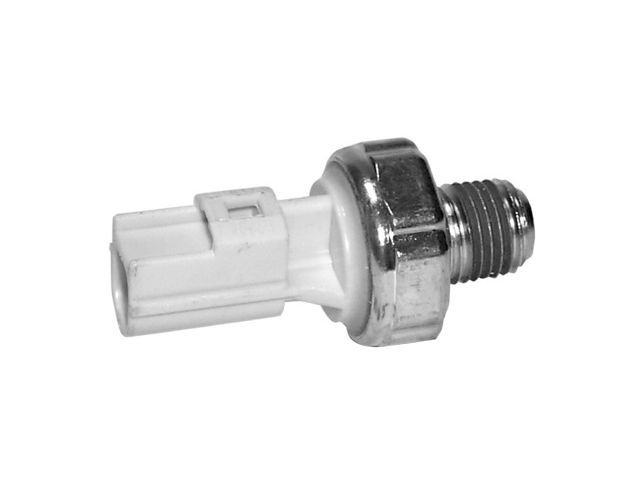
OEM Part Numbers: F8AZ-9278-A SW5172
Single-pin, on/off pressure switch. Triggers below approximately 7 PSI.
We Have This Part in Stock


The information in this article is provided for general reference and educational purposes only. Vehicle specifications, procedures, and part compatibility can vary by production date, trim level, and region. Always consult your vehicle's factory service manual and verify part numbers before purchasing or performing repairs. Safety-critical components such as airbags, seat belts, and braking systems should be installed by a qualified professional.
- Ford Expedition: