

Ford Expedition Front HVAC Blower Motor Guide (1997-2002)
No air coming from your vents? Here’s what you need to know about fixing your Expedition’s front blower motor.
- If the fan only works on high, the problem is almost certainly the blower motor resistor, not the motor.
- Replacing the blower motor is a common DIY job that can be done with basic tools in about an hour.
- For this generation of Expedition, a quality aftermarket blower motor is a reliable and budget-friendly alternative to an expensive OEM part.
- Consider replacing the blower motor resistor and inspecting the wiring connector for melting when you replace the motor to prevent future issues.
Is Your Expedition's Blower Motor Failing?
When a blower motor starts to fail on the 1997-2002 Ford Expedition, the signs are usually obvious. You rely on this part for both heating and cooling, so a failure can be uncomfortable and even unsafe in weather that requires a defroster.
Common Symptoms of a Bad Blower Motor:
- No Air From Vents: The most common symptom is when you turn the fan on and nothing happens.
- Weak Airflow: Even at the highest setting, the air barely trickles out of the vents.
- Fan Only Works on High: If your fan settings for low and medium speeds stop working, but the highest setting still functions, this almost always points to a failed blower motor resistor, not the motor itself. This is a very common issue.
- Strange Noises: Whining, grinding, or rattling sounds from the passenger side dash area when the fan is on often mean the motor's bearings are worn out or debris is hitting the fan cage.
- Burning Smell: A smell of burning plastic or an electrical odor can indicate the motor is overheating or its wiring is failing.
Pro Tip: Check the Resistor First
If your fan only works on the highest speed, save yourself time and money by checking the blower motor resistor first. This is a separate, inexpensive part that controls the fan speeds. On the 1997-2002 Expedition, it's located near the blower motor and is a very common failure point.
Choosing a New Aftermarket Blower Motor
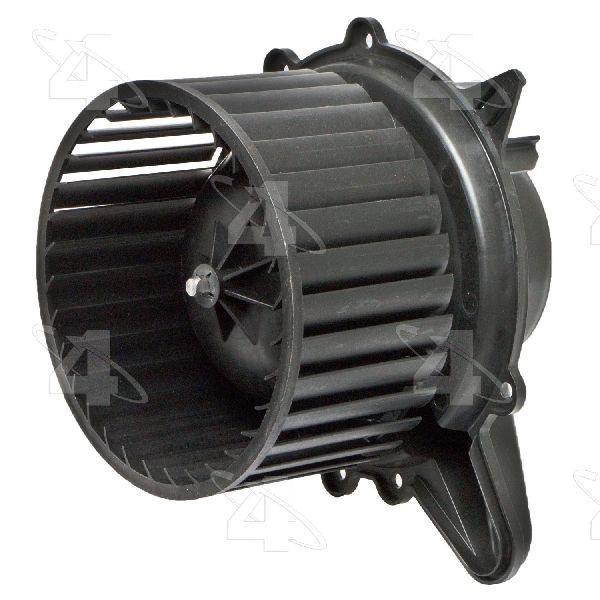
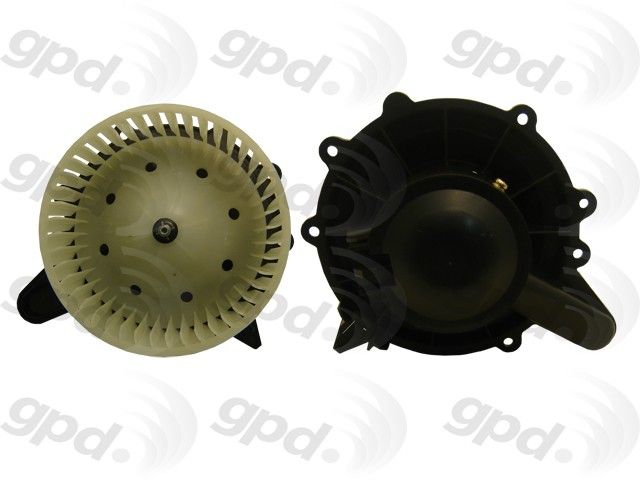
For a vehicle like the first-generation Expedition, a new aftermarket blower motor is the most practical and cost-effective choice. Original Equipment (OEM) parts from Ford may be expensive or no longer available. Aftermarket brands like Four Seasons and Global Parts are designed to be direct-fit replacements that meet or exceed the original specifications and offer a reliable repair without the high cost of an OEM part. For a simple and robust part like a blower motor, a quality aftermarket unit provides excellent value.
| Part Type | Estimated Cost |
|---|---|
| New Aftermarket (Four Seasons, Global Parts) | $66 - $71 |
| New OEM (Motorcraft) | $140 - $175+ (if available) |
| Shop Labor for Installation | $80 - $150 |
Known Issues for This Vehicle
While there are no major recalls specifically for the HVAC blower motor on the 1997-2002 Ford Expedition, a recall for later models (2015-2017) was issued for a fire risk associated with blower motor failure. For the first generation, the most frequently reported issues are the failure of the blower motor resistor and the associated wiring connector, which can melt from heat. It is always a good idea to inspect the wiring connector for signs of melting or scorching when replacing the motor or resistor.
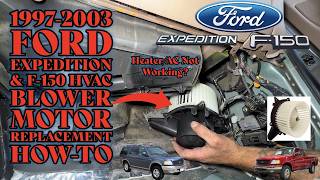
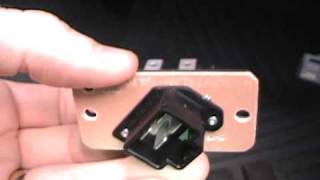
🎬 Watch a quick walkthrough on locating and replacing the resistor.Frequently Asked Questions
Is it hard to replace the blower motor on a 1997-2002 Expedition?
No, this is a common DIY repair. The blower motor is located under the passenger side of the dashboard and is typically held in by three 8mm screws. The main challenges are working in a tight space and sometimes having to push insulation out of the way to remove the motor. Most people with basic tools can complete the job in under an hour.
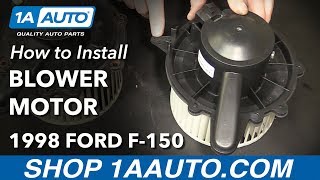
🎬 Watch this step-by-step guide to replacing your Expedition's blower motor.Do I need to replace the blower motor resistor at the same time?
It is not required, but it is highly recommended. A failing blower motor can draw too much power and damage a new resistor, and a failing resistor can damage the motor. Since both parts are located in the same area and are common failure items, replacing them together can save you from having to do the job twice.
What is the difference between the front and rear blower motor?
Many Expeditions have a separate, smaller HVAC system for the rear passengers with its own blower motor. This article covers the main front blower motor located in the dashboard. The rear blower motor is a different part located in the rear cargo area.
Why do I smell burning plastic when I run my fan?
A burning smell is a serious symptom that indicates the motor is overheating or there is an electrical short in the wiring. This can be caused by a failing motor drawing too much current, which can melt the wiring connector. If you smell this, you should stop using the fan and inspect the blower motor and its wiring immediately to prevent further damage or a potential fire risk.
Helpful Videos
Technical Specifications
OEM Part Numbers: F85Z19805CA XL1Z19805CA XL7Z19805EA
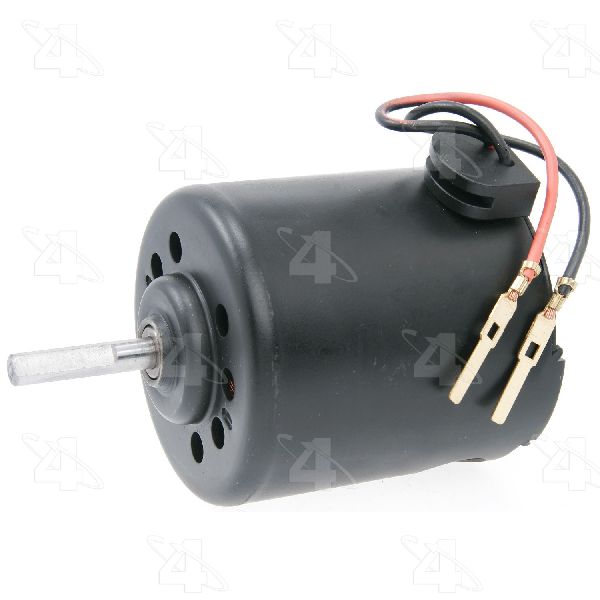
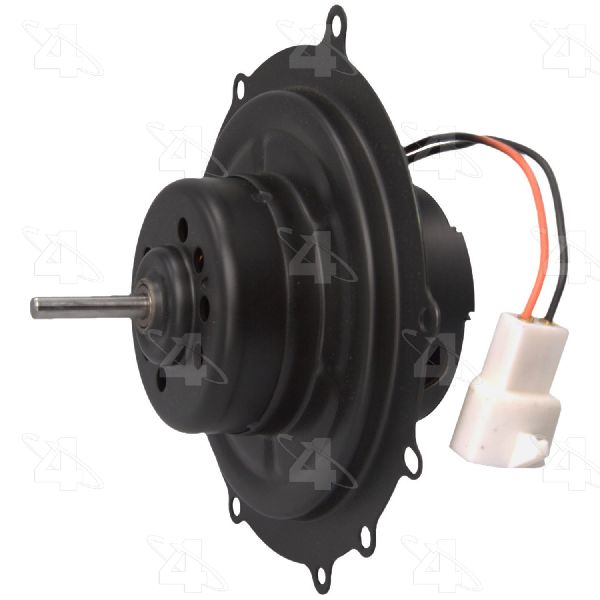
The front HVAC blower motor is located under the passenger side dashboard and is secured with three screws. It uses a 2-pin electrical connector. No special tools are required for replacement, but a socket wrench with an extension is helpful.
We Have This Part in Stock

The information in this article is provided for general reference and educational purposes only. Vehicle specifications, procedures, and part compatibility can vary by production date, trim level, and region. Always consult your vehicle's factory service manual and verify part numbers before purchasing or performing repairs. Safety-critical components such as airbags, seat belts, and braking systems should be installed by a qualified professional.
- Ford Expedition: