

1997-2002 Honda CR-V Engine Coolant Bypass Hose Replacement Guide
Address this small but critical coolant hose on your first-generation CR-V before it leads to major engine trouble.
- A leaking coolant bypass hose poses a critical risk of engine overheating; do not drive the vehicle if a leak is suspected.
- When replacing one hose, it is best practice to replace all accessible coolant hoses on your high-mileage CR-V at the same time.
- For aftermarket hoses, correct fitment and shape are more important than the specific brand; always compare the new part to the old one.
- Use a phosphate-free Asian vehicle coolant (typically blue or green) to protect your CR-V's engine.
Is Your CR-V's Engine Coolant Bypass Hose Failing?

After more than two decades of service, the original rubber hoses on your 1997-2002 CR-V are living on borrowed time. Constant exposure to heat, pressure, and engine fluids causes the rubber to break down. A failing coolant bypass hose can become soft, swollen, or brittle, eventually leading to a leak. Because it's a small hose often tucked away under the intake manifold, a leak might go unnoticed until it's a serious problem. A complete rupture can drain your cooling system in minutes, leading to rapid engine overheating and catastrophic damage.
Signs of a Bad Coolant Bypass Hose
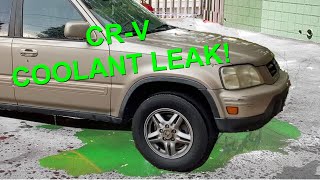
- Puddles of Liquid: Finding green or blue coolant puddles under your vehicle is a clear sign of a leak.
- Sweet Smell: A distinct, sweet smell like maple syrup or celery, especially when the engine is warm, is the scent of burning antifreeze.
- Low Coolant Level: If you constantly have to add coolant to the overflow reservoir, you have a leak somewhere in the system.
- Visible Hose Damage: Inspect the hoses for cracks, splits, bulges, or spots that feel unusually soft and spongy.
- Engine Overheating: If your temperature gauge suddenly spikes into the red, it could be due to coolant loss from a failed hose. Pull over immediately to prevent engine damage.
Choosing the Right Aftermarket Bypass Hose

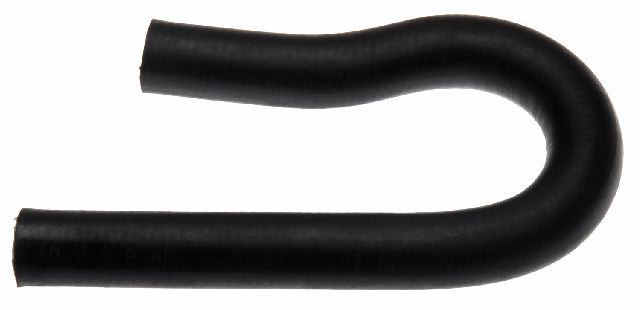
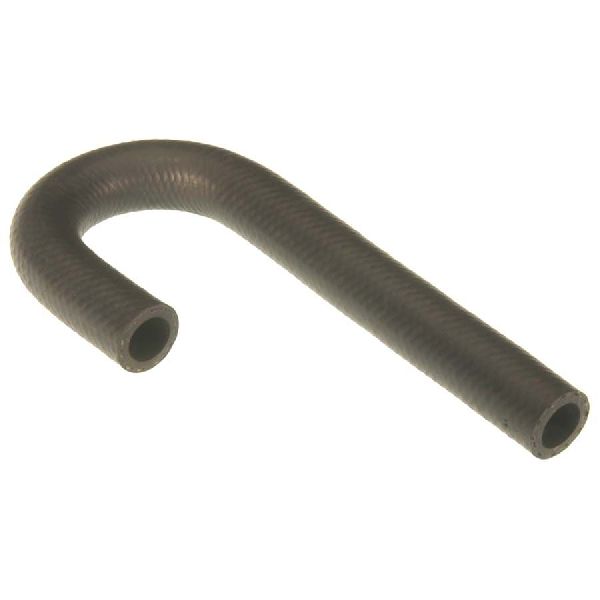
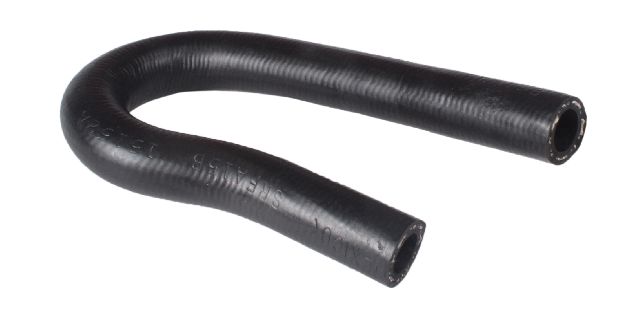
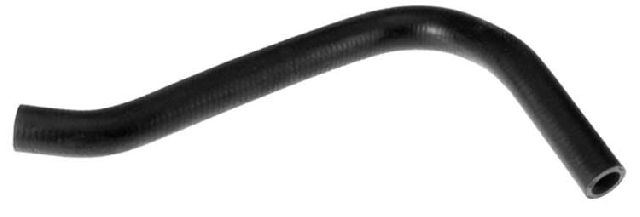
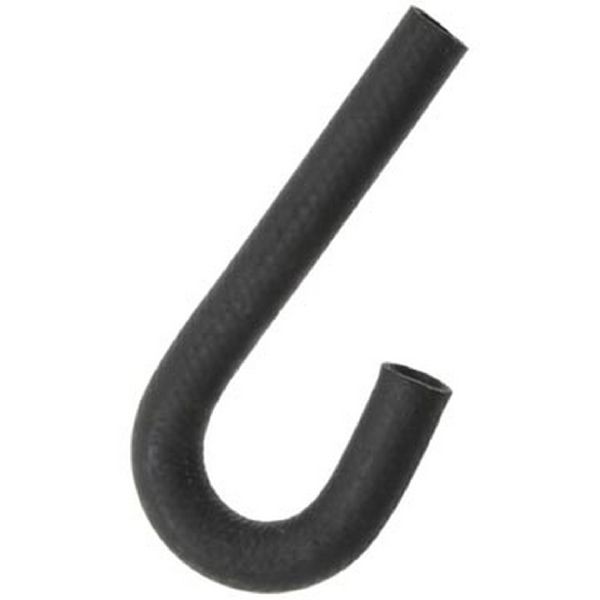
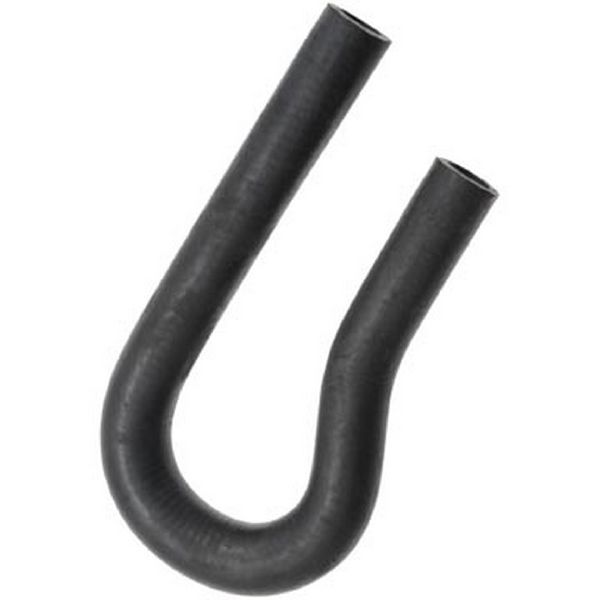
Since original Honda hoses for this CR-V generation can be difficult to find, the aftermarket is your most likely source. Brands like Continental, Dayco, and Gates are common choices. While forum users have different brand preferences, the most important factor for a molded hose is not the brand name, but the fitment.
An aftermarket hose must have the exact same bends and shape as the original. Using a hose with incorrect bends can cause it to kink, which restricts coolant flow, or rub against other engine components, leading to premature failure.
Pro Tip: Before installing, always hold the new hose next to the old one you just removed. Verify that every curve and the overall length are identical. If it doesn't match perfectly, do not install it.
Brand Quality Tiers
- Tier 1 (Premium Aftermarket): Gates, Continental, and Dayco are all established manufacturers that produce quality hoses. Some mechanics prefer Gates for its catalog accuracy and fit, while others find Dayco hoses to be slightly thicker. Ultimately, a correctly shaped hose from any of these brands will serve you well.
- OEM (Original Equipment Manufacturer): If you can find a genuine Honda hose, it guarantees a perfect fit. However, it will be the most expensive option and may have limited availability.
Cost to Replace a 1997-2002 CR-V Coolant Bypass Hose

| Part Type | Estimated Cost |
|---|---|
| New Aftermarket Hose | $19.48 - $22.69 |
| New OEM Honda Hose | $30 - $55 |
| Shop Labor | $100 - $200 |
Cost estimates are for the part and labor only and do not include the price of new coolant, which should also be replaced.
Frequently Asked Questions (FAQ)

Where is the engine coolant bypass hose located?
On the first-generation CR-V's B20 engine, the bypass hose is typically found in a tight space under the intake manifold. It often connects between the engine block and the fast idle valve or throttle body assembly. You will likely need to remove the air intake tube to see and access it.
Can I replace this hose myself?
Yes, this is a manageable DIY job for someone with basic-to-moderate mechanical skills. The main challenges are the messy process of draining the coolant and reaching the hose clamps in a cramped area. You'll need a bucket, pliers (spring clamp pliers are recommended), and basic hand tools.
Should I replace just the one bad hose?
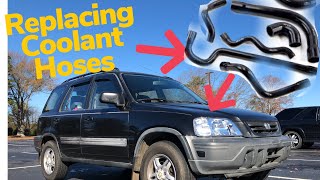
No. If one coolant hose has failed due to age, all the others are likely in similar condition. It is strongly recommended to replace all radiator hoses, heater hoses, and bypass hoses at the same time to prevent another failure in the 🎬 See this walkthrough for replacing all coolant and heater hoses near future. This saves you from having to drain the cooling system multiple times.
Should I reuse the old spring clamps or use worm gear clamps?
Many professional mechanics prefer to reuse the original spring-style clamps. They provide 360-degree pressure and cannot be over-tightened, which can damage the hose nipple or the hose itself. Worm gear clamps can work but must be tightened carefully to avoid creating a future leak point.
What kind of coolant should I use in my 1997-2002 CR-V?
For this generation, you should use a high-quality, phosphate-free, silicate-free Asian vehicle coolant, typically blue or green in color. Using the correct coolant is critical for protecting the aluminum components of your engine from corrosion. Always mix it with distilled water per the manufacturer's instructions unless you buy a 50/50 pre-mixed solution.
Helpful Videos
Technical Specifications
OEM Part Numbers: 19510-P3F-000
The OEM part number for the specific bypass hose can vary. 19510-P3F-000 is listed as a related water pipe for this vehicle generation. It is crucial to verify the exact part number or match the old hose by shape and size for a successful repair.
We Have This Part in Stock

The information in this article is provided for general reference and educational purposes only. Vehicle specifications, procedures, and part compatibility can vary by production date, trim level, and region. Always consult your vehicle's factory service manual and verify part numbers before purchasing or performing repairs. Safety-critical components such as airbags, seat belts, and braking systems should be installed by a qualified professional.
- Honda CR-V: