

Engine Coolant Thermostat Guide for the 1997-2002 Honda CR-V
Keep your first-generation CR-V's engine temperature stable by understanding and choosing the right thermostat.
- A failing thermostat can cause overheating (if stuck closed) or poor performance and a check engine light (if stuck open).
- The most common symptom of a stuck-open thermostat is the P0128 check engine code.
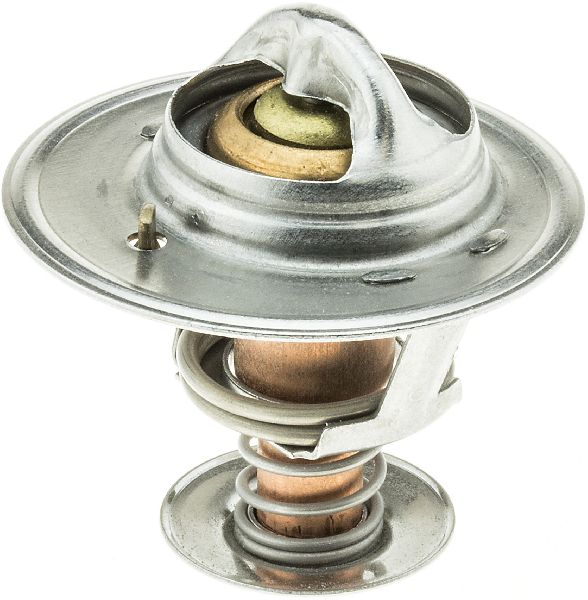
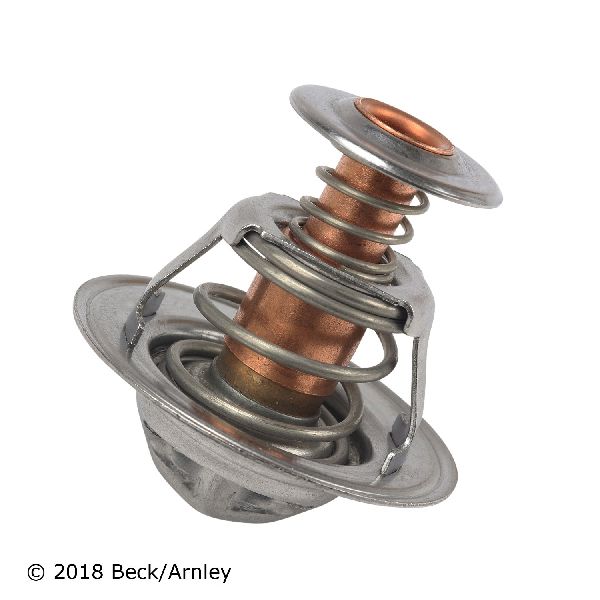
- For best results, choose an OEM thermostat or a high-quality aftermarket brand like Gates or Beck Arnley.
- Always replace the thermostat gasket at the same time to prevent leaks.
Symptoms of a Failing Thermostat

A thermostat can fail in two ways: stuck open or stuck closed. Each has distinct symptoms.
Stuck Closed: This is the more serious failure. The thermostat doesn't open, preventing coolant from reaching the radiator. This will cause the engine to overheat quickly, which can lead to severe engine damage. You'll see the temperature gauge climb into the red, and you may see coolant boiling over or leaking under pressure.
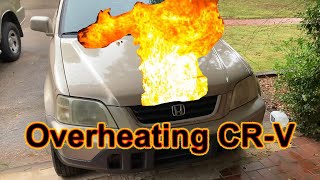
🎬 Watch: How to diagnose and fix an overheating CR-VStuck Open: This is a more common failure mode for thermostats as they are often designed to fail open as a safety measure. When the thermostat is stuck open, coolant flows to the radiator constantly. Symptoms include:
- Engine takes a long time to warm up: The temperature gauge may stay low for an extended period.
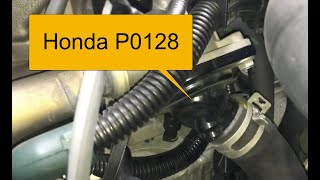
- Check Engine Light: A common code is P0128 (Coolant Temperature Below Thermostat Regulating Temperature), which means the engine isn't reaching its expected temperature quickly enough. 🎬 See how to fix a P0128 check engine light code
- Poor heater performance: The cabin heater relies on hot coolant. If the engine isn't getting hot, your heater will only blow lukewarm air.
- Fluctuating temperature gauge: The gauge might move erratically, climbing and then suddenly dropping.
Choosing the Right Aftermarket Thermostat

For the 1997-2002 CR-V, using a quality thermostat is important. While OEM is always a safe bet, several aftermarket brands offer reliable performance. Forum discussions among Honda owners often suggest that sticking to OEM or a high-quality equivalent is best for critical parts like this. Some aftermarket brands may even be the original equipment manufacturer (OEM) in a different box.
| Brand Tier | Brands | General Assessment |
|---|---|---|
| Premium / OEM Equivalent | Beck Arnley, Gates, Mishimoto | Beck Arnley often repackages OEM parts, making it a reliable choice. Gates is a well-respected name in cooling systems and is considered an OEM provider by some. Mishimoto is known for performance parts that often exceed OEM specifications, though it may be overkill for a daily driver. |
| Standard Aftermarket | Calorstat, Facet | These brands are established aftermarket manufacturers. They offer a balance of quality and value and are a solid choice for most repairs. |
| Economy | Motorad | Motorad is a large manufacturer that produces thermostats for many brands, including Stant. However, owner experiences are mixed, with some reporting premature failures. It's a budget-friendly option, but may not have the longevity of premium brands. |
Pro Tip: Always Replace the Gasket
The thermostat is sealed to its housing by a rubber gasket or O-ring. This gasket becomes compressed and brittle over time. Always install a new gasket with a new thermostat to prevent coolant leaks. Many thermostats come in a kit with a new gasket included.
Frequently Asked Questions (FAQ)

What temperature thermostat do I need for my 1997-2002 CR-V?
The original equipment specification for the first-generation Honda CR-V is a thermostat that starts to open at 78°C (approximately 170-172°F). It's best to stick to this temperature rating to ensure the engine operates as designed.
Is it hard to replace the thermostat on a first-gen CR-V?
No, it's a relatively straightforward job for a DIY mechanic. The thermostat is located on the engine block where the lower radiator hose connects. The main steps involve draining some coolant, removing the air intake box for access, unbolting the thermostat housing (usually two 10mm bolts), swapping the thermostat and gasket, and reassembling. You'll need to bleed the air from the cooling system afterward.
🎬 Follow this step-by-step guide to replace your CR-V thermostatShould I use an OEM Honda thermostat or is aftermarket okay?
Many Honda owners and mechanics recommend using the genuine Honda thermostat, as they are known for their reliability. However, high-quality aftermarket brands like Gates or Beck Arnley are widely considered to be reliable alternatives. Some users have reported issues with budget aftermarket thermostats causing check engine lights or failing prematurely.
Can I just remove the thermostat if it's stuck closed?
Running without a thermostat is not recommended. While it would prevent overheating from a stuck-closed thermostat, the engine would run too cool. This leads to poor fuel economy, increased engine wear, and will likely trigger a P0128 check engine light.
Helpful Videos

Technical Specifications
OEM Part Numbers: 19301-PAA-306 19301-P08-316 19320-P30-J00
Opening Temperature: 78°C / 170-172°F
We Have This Part in Stock


The information in this article is provided for general reference and educational purposes only. Vehicle specifications, procedures, and part compatibility can vary by production date, trim level, and region. Always consult your vehicle's factory service manual and verify part numbers before purchasing or performing repairs. Safety-critical components such as airbags, seat belts, and braking systems should be installed by a qualified professional.
- Honda CR-V: