

A Guide to Spark Plugs for the 1997-2002 Honda CR-V
Keep your first-generation CR-V's B20 engine running reliably with the right set of spark plugs.
- For best results, only use OEM-equivalent brands NGK or Denso for your Honda CR-V.
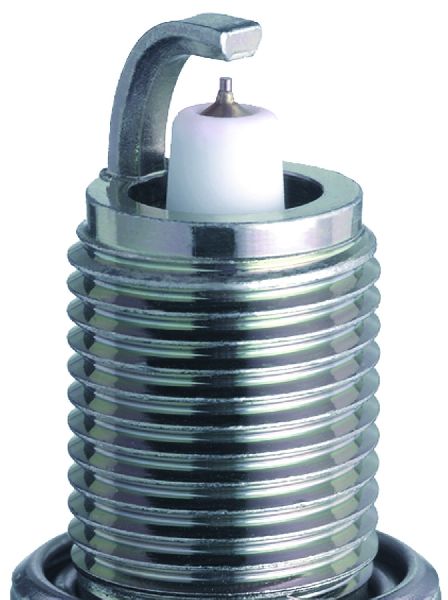
- Always verify the spark plug gap is 1.1mm (0.044 inches) before installation.
- Do not use anti-seize on the threads of NGK or Denso plugs, as it can lead to over-tightening.
- Torque new plugs to 16-18 lb-ft or tighten 1/2 to 2/3 turn past hand-tight.
Symptoms of Failing Spark Plugs

Worn-out spark plugs can cause noticeable problems in your CR-V. Because they are a routine maintenance item, you will likely need to replace them at some point. Look out for these common signs of failure.
- Rough Idle: The engine may shake or vibrate more than usual when you're stopped.
- Poor Acceleration: Your CR-V might feel sluggish or slow to respond when you press the gas pedal.
- Reduced Fuel Economy: If you're filling up your gas tank more often, failing plugs could be the cause. Incomplete combustion wastes fuel.
- Engine Misfires: You might feel a hesitation or stumbling from the engine while driving. This can trigger the Check Engine Light.
- Trouble Starting: A weak spark can make it difficult for the engine to start, especially in cold or damp weather.
Choosing the Right Aftermarket Spark Plug


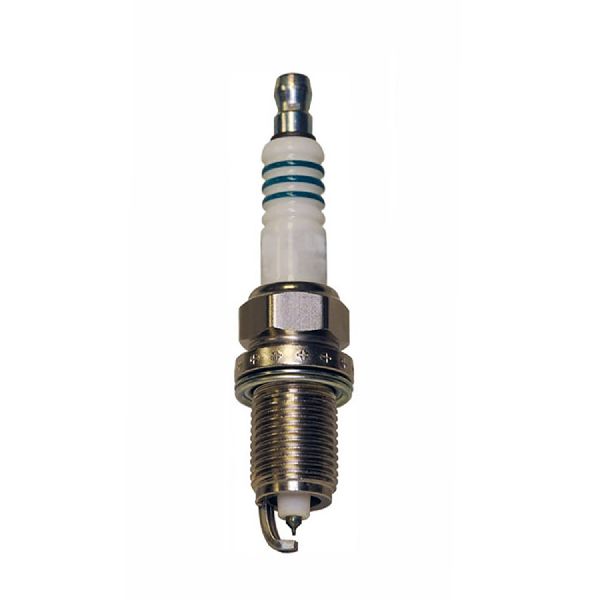
For the 1997-2002 Honda CR-V, choosing a spark plug is straightforward. Honda used NGK and Denso as original equipment manufacturers (OEM), and mechanics widely agree they are the best and most reliable options for this engine. While other brands are available, sticking with the OEM brands is highly recommended for trouble-free performance.
Brand Quality Tiers
- Tier 1: OEM-Equivalent (Highly Recommended)
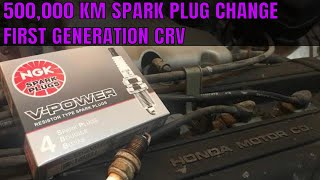
These brands are the original suppliers for your CR-V. They offer the best fit, performance, and longevity. For a Honda engine, using anything else is a gamble.- NGK: Considered the gold standard for Honda engines. The V-Power (ZFR6F-11) is a common and excellent choice.
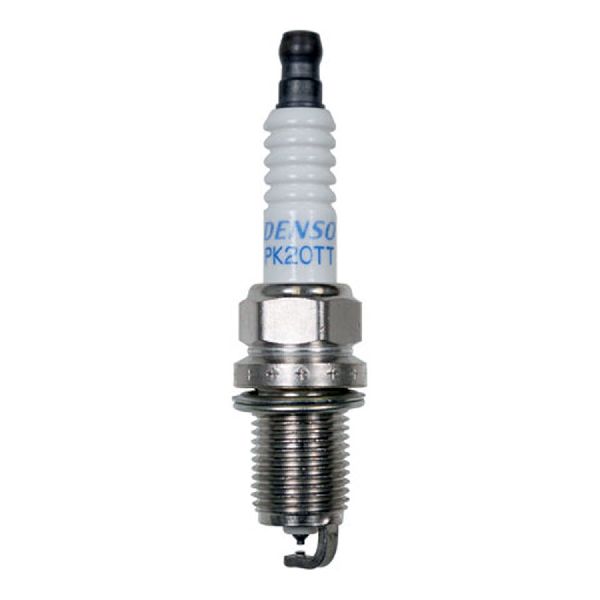
- Denso: The other OEM supplier, offering quality and reliability on par with NGK.
- Tier 2: Reputable Aftermarket (Use with Caution)
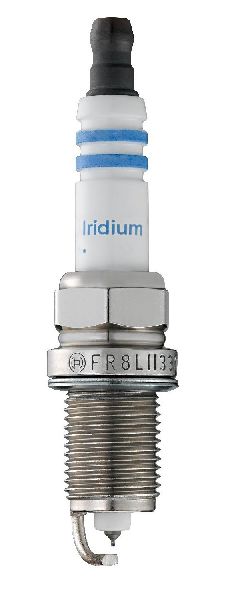
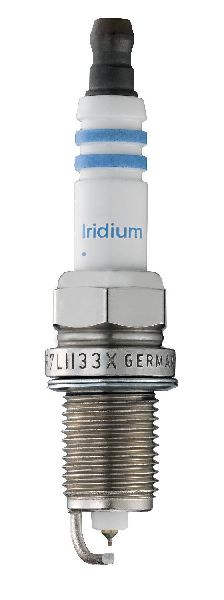
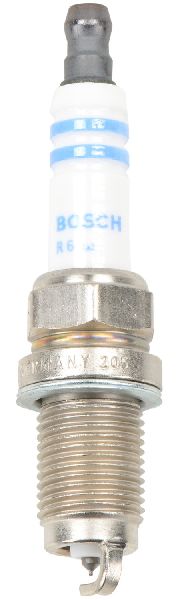
These are well-known brands that make quality parts, but they are not the first choice for Honda specialists. Some owners use them without issue, but for guaranteed compatibility, Tier 1 is a safer bet.- Bosch: Offers platinum and iridium plugs that fit, but are not the OEM-specified brand.
- Champion: A long-standing American brand, but not typically recommended for Japanese engines.
- Tier 3: Economy Brands
This category includes brands like Accel, Autolite, and other less-common names. While they are the most affordable, they may not offer the same lifespan or performance as NGK or Denso plugs. It is generally advised to avoid these for your CR-V.
Pro Tip: Check for Oil
When you pull the spark plug wires, check inside the spark plug tubes for oil. Oil in this area is a common issue caused by a failing valve cover gasket and spark plug tube seals. If you see oil, you should replace these seals when you change your plugs to prevent future misfires.
Known Issues, Recalls, and TSBs
There are no active recalls or Technical Service Bulletins (TSBs) from the NHTSA related to spark plugs for the 1997-2002 Honda CR-V. The ignition system on the B20 engine is known to be very reliable when maintained with quality parts.
Cost to Replace 1997-2002 Honda CR-V Spark Plugs
Replacing spark plugs is an inexpensive maintenance job. The parts are affordable, and the labor is minimal.
| Category | Estimated Cost (Set of 4) |
|---|---|
| New OEM (NGK/Denso) | $12 - $40 |
| New Aftermarket | $15 - $90 |
| Shop Labor | $75 - $150 |
Frequently Asked Questions

How often should I change the spark plugs?
For standard copper or nickel plugs like the NGK V-Power, a good interval is every 30,000 miles or as recommended in your owner's manual. If you use longer-life platinum or iridium plugs, you can extend this interval, but always check them for wear periodically.
Do I need to gap the new spark plugs?
Yes, you should always check the gap. The correct gap for the 1997-2002 CR-V is 1.1mm (0.044 inches). Most plugs from NGK and Denso come pre-gapped, but they can be knocked out of spec during shipping. Use a gap tool to verify before installing.
Should I use anti-seize on the threads?
No. NGK and Denso plugs have a special trivalent plating that acts as its own anti-seize. Adding anti-seize compound can cause you to over-tighten the plugs, which can damage the aluminum threads in the cylinder head. Install them dry.
How tight should the spark plugs be?
The correct torque specification is around 16-18 lb-ft. If you don't have a torque wrench, a common method is to tighten the plug by hand until it seats, then use a ratchet to turn it an additional 1/2 to 2/3 of a turn. Do not over-tighten.
Helpful Videos

Technical Specifications
OEM Part Numbers: 98079-5614G 98079-5514G 98079-5615G 98079-5515G
Socket Size: 5/8 inch<br>Gap: 1.1mm (0.044")<br>Torque: 16-18 lb-ft
We Have This Part in Stock

The information in this article is provided for general reference and educational purposes only. Vehicle specifications, procedures, and part compatibility can vary by production date, trim level, and region. Always consult your vehicle's factory service manual and verify part numbers before purchasing or performing repairs. Safety-critical components such as airbags, seat belts, and braking systems should be installed by a qualified professional.
- Honda CR-V: