

A Deep Dive into the 1997-2002 Jeep Cherokee Engine Coolant Temperature Sensor
Your guide to fixing temperature gauge issues, poor mileage, and Check Engine Lights related to this critical sensor.
- First, confirm if your Cherokee needs one sensor (2000-2002) or two (1997-1999) to avoid buying the wrong part.
- Symptoms are not just a faulty gauge; look for poor fuel economy, fan issues, and hard starts.
- For reliability, consider an OEM Mopar or a premium aftermarket brand like Delphi, NGK, or Standard Ignition.
- Replacing the sensor in the thermostat housing is a simple, fast job that most owners can do themselves.
Is It One Sensor or Two? A Critical Difference

Before buying a new sensor, you must know what your specific year requires. This is the most common mistake owners make.
- 1997-1999 Jeep Cherokee: These models use TWO separate sensors. One sensor, located in the thermostat housing at the front of the engine, sends temperature data to the engine computer (PCM). A second, separate sending unit, located at the back of the cylinder head on the driver's side, operates the temperature gauge 🎬 See how to fix a non-working dashboard temperature gauge. on your dashboard.
- 2000-2002 Jeep Cherokee: These later models use a SINGLE sensor. This one sensor is located in the thermostat housing and provides the temperature reading to the PCM, which then electronically controls the dashboard gauge.
Symptoms of a Failing Coolant Temperature Sensor

A bad ECT sensor can cause a surprising number of problems because it gives the engine's computer bad information. Here’s what to look for:
- Erratic Temperature Gauge: The needle may swing back and forth, read extremely high, or drop to zero unexpectedly.
- Check Engine Light: A failing sensor will often trigger a Check Engine Light with codes like P0117 (Circuit Low), P0118 (Circuit High), or P0116 (Range/Performance).
- Poor Fuel Economy: If the sensor incorrectly tells the PCM the engine is cold, the computer will enrich the fuel mixture, causing the engine to run rich and burn more gas than needed.
- Black Exhaust Smoke: This is another sign of a rich fuel mixture caused by a faulty sensor reading.
- Cooling Fan Issues: The electric fan may run all the time, even when the engine is cold, or it may not turn on when the engine gets hot. As a fail-safe, the fan often runs continuously if the PCM loses the signal from the sensor.
- Hard Starting: The engine may be difficult to start, particularly when it's already warm, because the fuel mixture is incorrect.
Known Issues & Recalls
There are no official recalls or widespread Technical Service Bulletins (TSBs) from Jeep for the engine coolant temperature sensor on the 1997-2002 Cherokee XJ. Any issues are typically due to normal part wear and aging.
Choosing the Right Aftermarket Sensor: Brand Quality

While OEM Mopar parts are a safe bet, several quality aftermarket options are available. For a critical sensor like this, it's often worth avoiding the absolute cheapest options, which can sometimes have questionable accuracy or longevity according to owner experiences.
- OEM: Mopar is the original equipment manufacturer. It provides a direct replacement and is the benchmark for quality and fit, though it is the most expensive option.
- Premium Aftermarket: Brands like Delphi, NGK, and Standard Ignition (SMP) have a strong reputation for producing reliable sensors that often meet or exceed OEM specifications. These are excellent alternatives to Mopar.
- Jeep-Specialist Aftermarket: Brands like Crown Automotive and Omix-Ada specialize in Jeep parts. They offer a wide range of components at a more budget-friendly price, but quality can sometimes be inconsistent depending on the specific part.
- Standard Aftermarket: Brands like Four Seasons and Walker Products offer functional replacements at a competitive price point, suitable for budget-conscious repairs.
| Part Type | Estimated Cost |
|---|---|
| New OEM (Mopar) | $75 - $120 |
| New Aftermarket | $13 - $70 |
| Shop Labor | $50 - $100 |
Pro Tip: The labor cost is for replacing the easily accessible sensor in the thermostat housing. Replacing the gauge sender at the rear of the head on 1997-1999 models is more difficult and will cost more in labor.
Frequently Asked Questions (FAQ)

Can I replace the coolant temperature sensor myself?
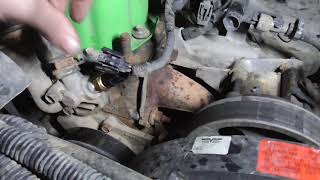
Yes, for the sensor located in the thermostat housing, this is a very DIY-friendly job. It requires basic hand tools (a 19mm or 3/4" deep socket), and can be done in under 30 minutes. 🎬 Watch this quick walkthrough of the thermostat housing sensor replacement. Make sure the engine is cool before you start. Having the new sensor ready to install quickly will minimize coolant loss.
🎬 Watch a mechanic demonstrate the sensor swap to minimize mess.Where is the sensor located?
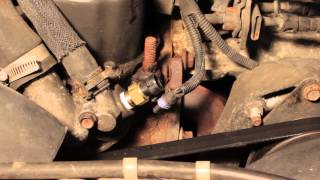
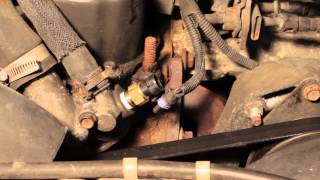
The primary sensor (for the computer) is screwed into the thermostat housing, right at the front of the engine where the upper radiator hose connects. On 1997-1999 models, the second sensor (for the gauge) is located on the driver's side of the cylinder head, near the firewall.
Do I need to drain the coolant to replace it?
You don't have to drain the entire system. If you are quick, you can unscrew the old sensor and immediately screw the new one in. You will lose a small amount of coolant, which you should top off afterward. Many new sensors come with thread sealant already applied.
What happens if I don't replace a bad sensor?
You can continue driving, but it's not recommended for long. Your engine will run inefficiently, leading to very poor gas mileage and increased engine wear over time. If the sensor fails to trigger the cooling fan, you also risk overheating the engine, which can cause serious and expensive damage.
Helpful Videos
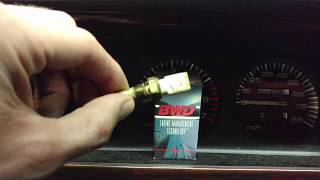
Technical Specifications
OEM Part Numbers: 56027873
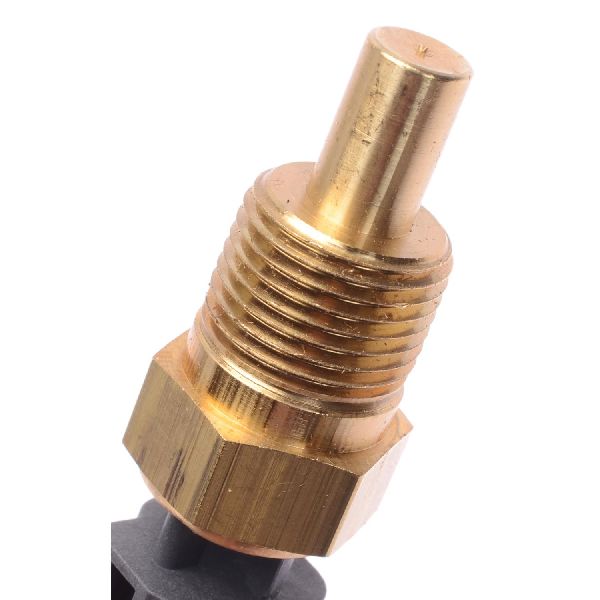
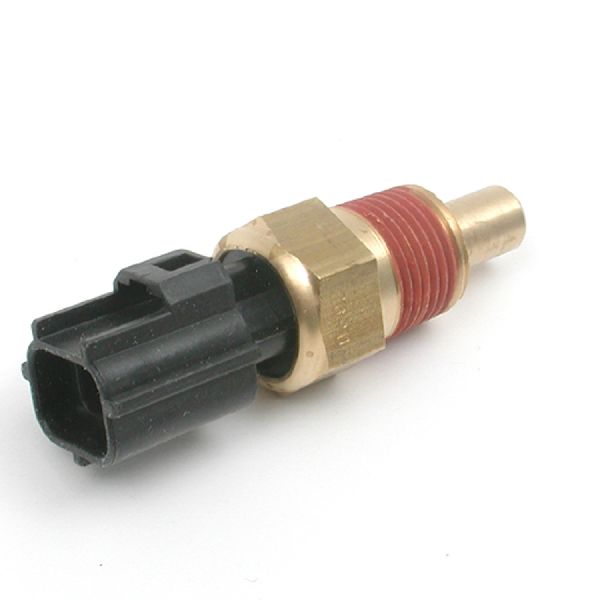
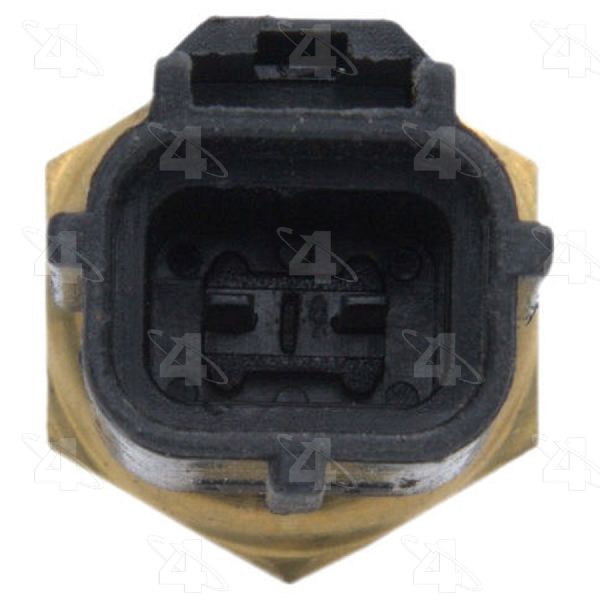
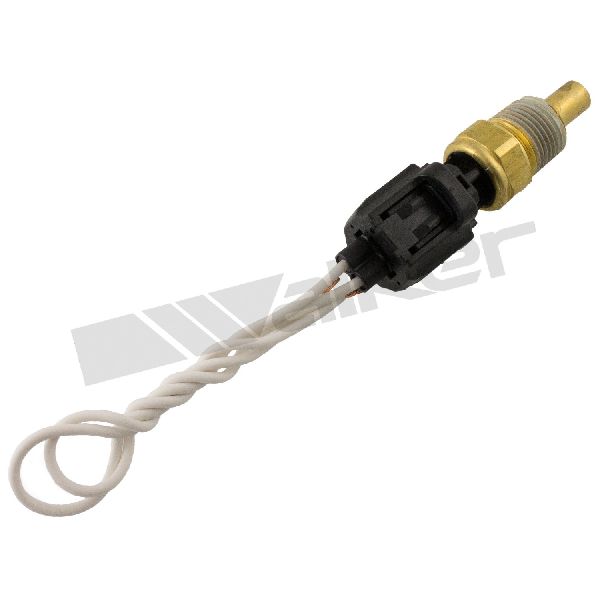
The primary Engine Coolant Temperature (ECT) sensor for all 1997-2002 models is located in the thermostat housing. For 1997-1999 models, a second, different part is used for the temperature gauge, located at the rear of the cylinder head.
We Have This Part in Stock


The information in this article is provided for general reference and educational purposes only. Vehicle specifications, procedures, and part compatibility can vary by production date, trim level, and region. Always consult your vehicle's factory service manual and verify part numbers before purchasing or performing repairs. Safety-critical components such as airbags, seat belts, and braking systems should be installed by a qualified professional.
- Jeep Cherokee: