

Ignition Coil and Coil Rail Guide for 1997-2002 Jeep Cherokee XJ
Solve misfires and restore performance by choosing the right ignition part for your 4.0L engine.
- First, identify your system: 1997-1999 models use a single coil, while 2000-2001 models use a long coil rail.
- Symptoms like rough idle, misfires, and a check engine light (P0300-P0306, P0351-P0353) strongly point to a bad coil.
- For reliability, choose Mopar or a reputable OEM-equivalent brand like NGK or Delphi; avoid the cheapest options.
- Always replace your spark plugs at the same time as the coil or coil rail to prevent premature failure of the new part.
Is Your Cherokee a Single Coil or a Coil Rail?

Before buying any parts, you must know which ignition system your Jeep Cherokee has. This is the most common mistake owners make. The system changed in the middle of the 1997-2002 production run.
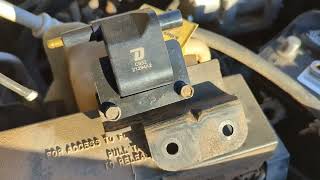
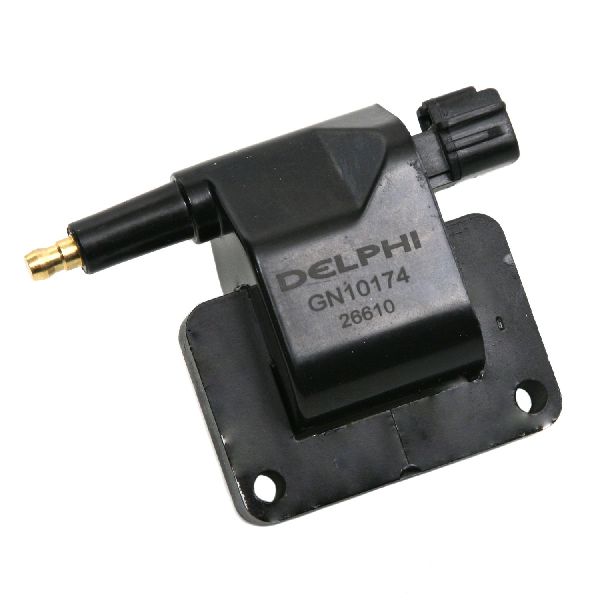
- 1997-1999 Jeep Cherokee (4.0L): These models have a traditional ignition system. You will find a single, canister-shaped ignition coil mounted to the engine block and a distributor with a cap and rotor that sends spark to each cylinder through individual spark plug wires.
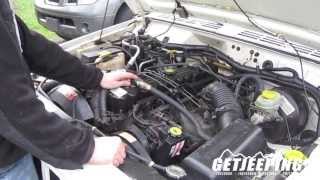
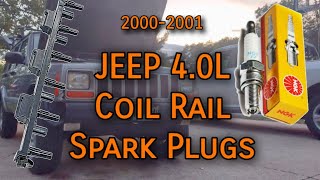
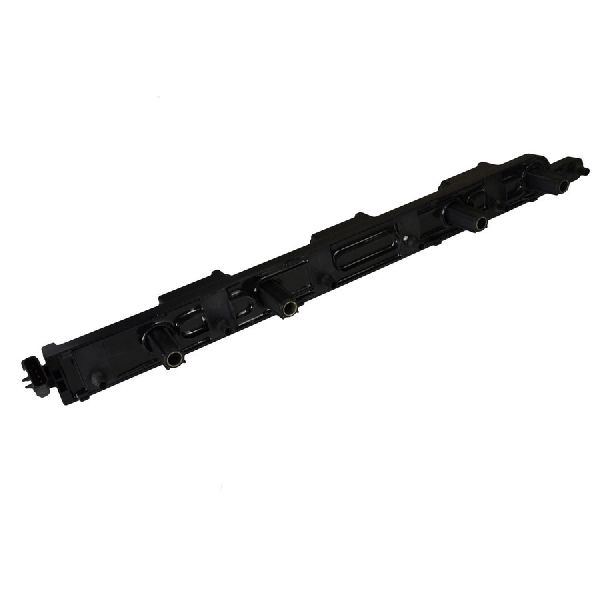
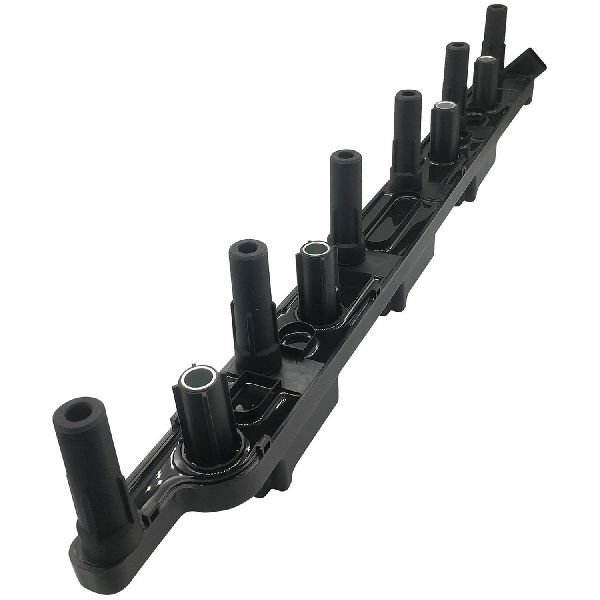
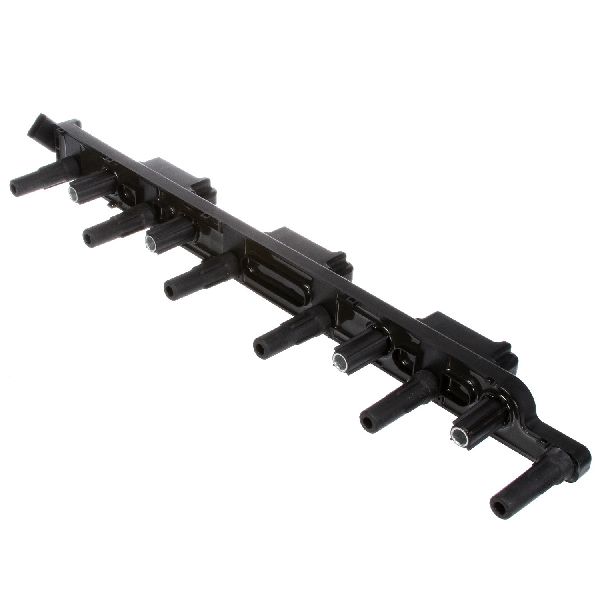
- 2000-2001 Jeep Cherokee (4.0L): These later models have a more modern distributorless ignition system (DIS). Look for a long, black plastic rail bolted directly on top of the engine's valve cover, with round boots that connect directly to the spark plugs. There is no distributor or spark plug wires.
Pro Tip: The XJ Cherokee was discontinued in North America after the 2001 model year. If your Cherokee is a 2002 model from another market, it will likely use the same 2000-2001 style coil rail.
Signs of a Failing Ignition Coil or Coil Rail

A bad ignition coil will cause engine performance problems that are hard to ignore. Since the coil is responsible for spark, a failure directly leads to an engine misfire. Common symptoms include:
- Check Engine Light: A flashing check engine light indicates a severe misfire that could damage your catalytic converter. A steady light will also come on for less severe misfires. Common codes include P0300 (random misfire), P0301-P0306 (misfire on a specific cylinder), and P0351-P0353 (ignition coil circuit fault).
- Rough Idle: The engine may shake, shudder, or vibrate noticeably when stopped at a light.
- Engine Misfires: You may feel the engine hesitate, stumble, or jerk during acceleration.
- Loss of Power: Your Jeep may feel sluggish and slow to accelerate.
- Poor Fuel Economy: When a cylinder misfires, unburned fuel is wasted, causing your gas mileage to drop.
- Hard Starting: The engine may crank longer than usual before starting, especially when cold.
Choosing the Right Aftermarket Ignition Coil

For Jeep electronics, many owners prefer to stick with OEM Mopar parts to avoid issues. However, some aftermarket brands offer excellent quality and are even the original suppliers to Mopar. Don't just buy the cheapest part, as low-quality coils are known to fail quickly.
Brand Quality Tiers
Based on owner feedback and general reputation, here is a breakdown of available brands:
- Top Tier (OEM & OEM-Equivalent): These brands are trusted for reliability and performance. Many owners report success with them.
- Mopar: The original factory part. It's the most expensive but safest bet.
- NGK: Widely considered an OEM supplier for many Jeep electronics and a highly recommended choice.
- Delphi: Another well-regarded OEM supplier with a strong reputation.
- Bosch: A trusted name in automotive electronics.
- Hitachi: Known for quality electronic components.
- Mid-Grade (Reliable Alternatives): These brands are a good balance of price and quality.
- Standard Ignition (SMP): A long-standing brand in the aftermarket. Their "Blue Streak" line is often well-regarded.
- Walker Products: A known aftermarket manufacturer.
- Economy (Budget-Focused): These parts are the most affordable but may have a higher risk of premature failure. Use caution with critical electronic parts.
- DriveWire, Encore Automotive, Global Parts, Prenco, Spectra
- Jeep Specialist / Performance:
- Crown Automotive / Omix-Ada: These brands specialize in Jeep replacement parts. Quality can vary, so check reviews for specific electronic components.
- MSD: A performance brand. Generally not necessary for a stock 4.0L engine and some users report premature failures.
A Note on "Performance" Coils
The stock 4.0L engine is a robust, low-tech design that does not see significant benefit from expensive "high-output" or "performance" ignition coils. Reliability is more important than a claimed voltage increase. Sticking with a quality OEM-style coil from a reputable brand is the recommended approach.
Cost of a New Ignition Coil (1997-2002 Jeep Cherokee)

| Part Type | 1997-1999 (Single Coil) | 2000-2001 (Coil Rail) |
|---|---|---|
| New OEM (Mopar) | $50 - $80 | $170 - $250+ |
| New Aftermarket | $20 - $81 | $129 - $183+ |
| Used OEM | $10 - $25 | $40 - $75 |
| Shop Labor | $50 - $100 | $75 - $150 |
Frequently Asked Questions (FAQ)
Do I need to replace my spark plugs with the ignition coil?
It is highly recommended. Worn or fouled spark plugs with a wide gap force the ignition coil to work harder, which can cause the new coil to fail prematurely. Replacing the plugs at the same time is a smart and inexpensive way to ensure your ignition system is healthy.
Can I replace just one part of the 2000-2001 coil rail?
No, the coil rail is a single, integrated assembly. If one of the three internal coils fails, the entire rail must be replaced. Some owners modify their Jeeps to use coils from other vehicles (like the Dodge Viper or Caravan) to make individual coil replacement possible, but this is a custom job.
What is heat soak and does it affect the ignition coil?
Heat soak is a common issue on 4.0L Jeeps where under-hood temperatures climb after the engine is shut off, affecting components. While it's most famous for causing vapor lock in the fuel injectors, extreme heat is the enemy of all electronics. A failing ignition coil or coil rail can definitely be made worse by heat, causing intermittent stalling or misfires that appear only when the engine is hot.
Were there any recalls for the ignition coil on the 1997-2002 Cherokee?
No, there were no specific recalls for the ignition coil or coil rail on the 1997-2002 Jeep Cherokee XJ. Searches of the NHTSA database show recalls for other Jeep models and different components, like ignition switches on Grand Cherokees, but not for the XJ's coil.
Helpful Videos

Technical Specifications
OEM Part Numbers: 56041476AB
System Type 1 (1997-1999): Single canister coil with distributor. System Type 2 (2000-2001): Distributorless coil-on-plug rail assembly.
We Have This Part in Stock


The information in this article is provided for general reference and educational purposes only. Vehicle specifications, procedures, and part compatibility can vary by production date, trim level, and region. Always consult your vehicle's factory service manual and verify part numbers before purchasing or performing repairs. Safety-critical components such as airbags, seat belts, and braking systems should be installed by a qualified professional.
- Jeep Cherokee:
- 🎬 Helpful Videos
- 🛍️ Shop This Part
- Is Your Cherokee a Single Coil or a Coil Rail?
- Signs of a Failing Ignition Coil or Coil Rail
- Choosing the Right Aftermarket Ignition Coil
- Brand Quality Tiers
- A Note on "Performance" Coils
- Cost of a New Ignition Coil (1997-2002 Jeep Cherokee)
- Frequently Asked Questions (FAQ)
- 🎟️ Get 5% Off