

A Comprehensive Guide to the 1997-2002 Jeep Cherokee Serpentine Belt
Don't let a squealing belt leave you stranded; here's what you need to know for your XJ.
- A squealing noise on a Cherokee XJ usually means the belt is loose; they require very high tension.
- Always inspect the idler pulley and manual tensioner when replacing the belt. A bad pulley will destroy a new belt.
- Premium aftermarket brands like Gates, Continental, and Dayco are highly recommended and considered equal to or better than OEM for this part.
- A complete belt failure will cause an immediate loss of power steering, battery charging, and engine cooling, leaving you stranded.
Is Your Serpentine Belt Failing?

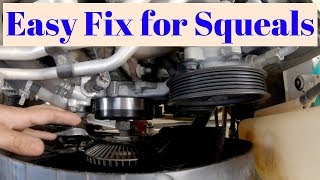
A failing serpentine belt on your Jeep Cherokee XJ will give you some clear warning signs. The most common is a squealing or chirping noise from the engine bay, especially on startup or when the A/C is on. Many XJ owners note that the 4.0L engine requires a very tight belt to avoid squealing. You might also see visible damage like cracks, fraying, or a glazed, shiny appearance on the belt. If the belt is slipping badly, you could experience dimming headlights, a battery warning light, loss of power steering, or engine overheating.
Pro Tip: Check Your Pulleys and Tensioner
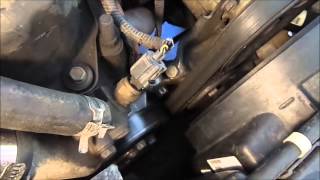
When replacing your serpentine belt, always inspect the idler pulley and the belt tensioner. A bad bearing in a pulley can cause noise and shred a new belt quickly. Spin each pulley by hand (with the belt off). If you feel resistance, wobble, or hear a grinding noise, it needs to be replaced. 🎬 Watch this guide on replacing the idler pulley and tensioner. On the 1997-2002 Cherokee, the tensioner is a manual screw-type, not spring-loaded, which requires proper adjustment to maintain tension.
Choosing the Right Aftermarket Serpentine Belt

For a part like a serpentine belt, high-quality aftermarket brands are often just as good as, if not better than, the original OEM part. The key is to choose a reputable brand known for durability and proper fit. Cheaper, house-brand belts can sometimes have quality control issues, leading to noise and premature failure.
Brand Tiers for Your Cherokee
- Premium Brands (Gates, Continental, Dayco, INA): These are top-tier manufacturers known for excellent quality and durability. Gates and Continental (formerly Goodyear Gatorback) are frequently recommended by mechanics and Jeep owners for their quiet operation and reliability. These belts are engineered to meet or exceed OEM specifications.
- Jeep Specialist Brands (Crown Automotive, Omix-Ada): These brands specialize in Jeep parts. While they offer a wide range of products, the quality can vary. For a simple wear item like a belt, sticking with a dedicated belt manufacturer like Gates or Continental is often a safer bet.
- Value Brands (Skyward): These are budget-friendly options. While they can work in a pinch, they may not offer the same longevity or noise resistance as premium brands. For the small price difference, investing in a premium belt is recommended to avoid doing the job twice.
How Much Does a Serpentine Belt Replacement Cost?
Replacing the serpentine belt on a 1997-2002 Jeep Cherokee is an affordable and straightforward job. The primary cost is the part itself, with labor being minimal if you have it done at a shop.
| Item | Estimated Cost |
|---|---|
| New Aftermarket Serpentine Belt | $16 - $76 |
| Shop Labor | $50 - $125 |
| Total Estimated Cost (Shop) | $66 - $201 |
Cost estimates are for the part and labor only and do not include taxes, fees, or costs for replacing other parts like pulleys or the tensioner.
Frequently Asked Questions

How often should I replace my Cherokee's serpentine belt?
As a general rule, serpentine belts have a predicted life of up to 100,000 miles, but it's best to inspect the belt during regular maintenance. Given the age of these vehicles, if you don't know when it was last changed, it's a good idea to replace it, especially if it shows any signs of cracking, fraying, or glazing.
Why does my new belt still squeal?
If a new belt is squealing on your XJ, the most likely cause is improper tension. The 4.0L engine is known for needing a very tight belt. The manual tensioner must be adjusted correctly. 🎬 See how to properly check and tighten your belt tension. Other causes could be a worn-out pulley, a misaligned pulley, or fluid (like oil or coolant) contaminating the belt. Do not use "belt dressing," as it can damage the rubber and make the problem worse.
Is this a difficult job to do myself?
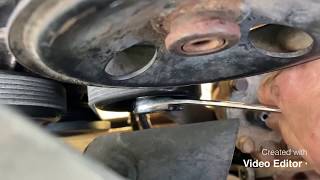
No, this is a great DIY job for beginners. The process involves loosening the lock bolt on the idler pulley, then loosening the tensioner adjustment bolt to create slack. You'll need a 15mm wrench and socket. 🎬 Watch this step-by-step 4.0L belt replacement walkthrough. Always make a diagram or take a picture of the belt routing before you remove the old one.
What is the correct belt length for my 1997-2002 Cherokee?
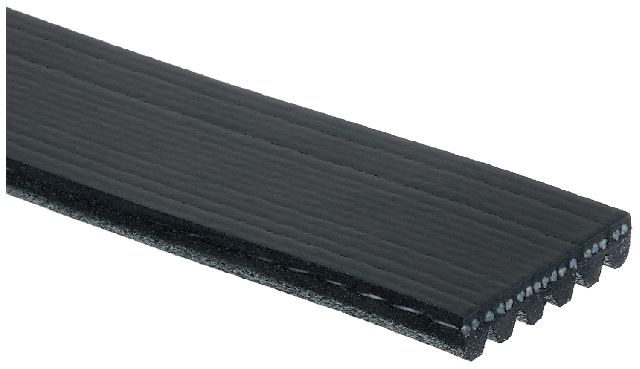
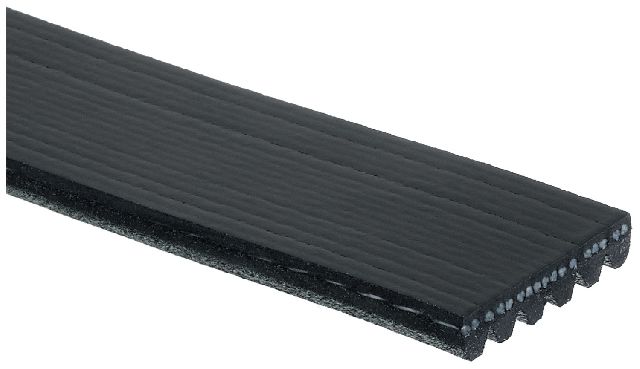
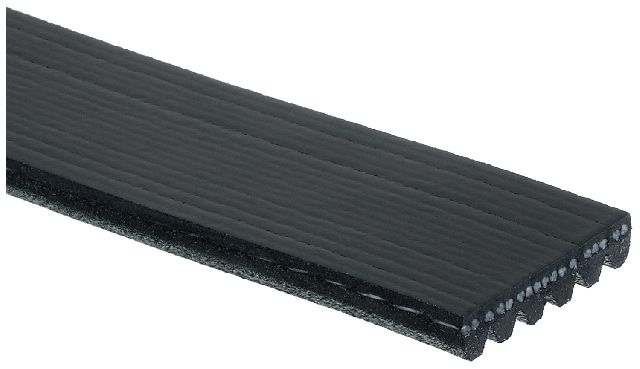
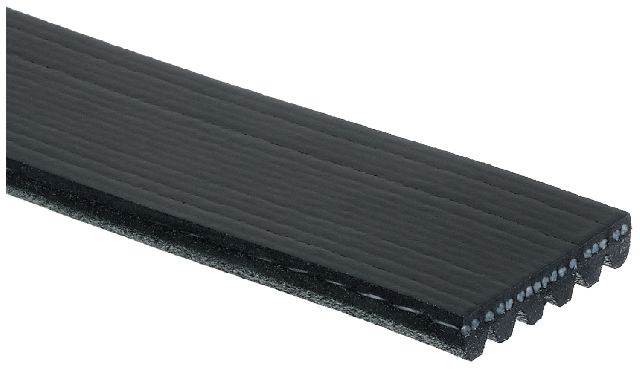
For the 4.0L engine with A/C, the most common belt length is around 95-96 inches. For example, the Gates part number is often K060950, which corresponds to a 95 5/8" belt. Always verify the part number for your specific vehicle configuration (with or without A/C) when purchasing.
Helpful Videos


Technical Specifications
OEM Part Numbers: 53010213 53010213AB
For 4.0L Engine with A/C, typical length is ~95.5 inches. Common aftermarket part numbers include Gates K060950 and Continental 4060950.
We Have This Part in Stock

The information in this article is provided for general reference and educational purposes only. Vehicle specifications, procedures, and part compatibility can vary by production date, trim level, and region. Always consult your vehicle's factory service manual and verify part numbers before purchasing or performing repairs. Safety-critical components such as airbags, seat belts, and braking systems should be installed by a qualified professional.
- Jeep Cherokee: