

Acura CL A/C Receiver Drier Guide for 1997-2003 Models
If your Acura CL's A/C is blowing warm, the receiver drier is a likely suspect, especially after a major component failure.
- The receiver drier must be replaced any time the A/C system is opened for another repair.
- This is not a DIY job; it requires a certified shop with refrigerant recovery and recharge equipment.
- A clogged drier is often a symptom of a larger problem, like a failing compressor shedding debris.
- For this vehicle, Denso is an OEM-quality choice, while Four Seasons and Global Parts are reliable budget options.
Is Your Acura CL's A/C Not Working? Check the Drier.
When your Acura CL's air conditioning stops blowing cold, the problem might not be the compressor. A clogged or saturated A/C receiver drier can cause the same symptoms. This part often gets contaminated with debris when another component like the compressor fails, or simply becomes saturated with moisture over time. Understanding its role is key to a lasting A/C repair.
The Golden Rule of A/C Repair
The A/C receiver drier must be replaced any time the A/C system is opened for service. This includes replacing the compressor, condenser, or any A/C hoses. The desiccant material inside is highly absorbent and will be ruined by exposure to atmospheric moisture. Failing to replace the drier will void the warranty on most new A/C compressors and lead to premature failure of the new parts.
Symptoms of a Bad A/C Receiver Drier
- Weak or Warm Air: This is the most common symptom. A clogged drier restricts refrigerant flow, leading to poor cooling performance.
- Musty or Moldy Smell: When the desiccant is saturated with water, it can allow mold and mildew to grow inside the A/C system, causing a bad smell from the vents.
- Rattling Noises: If the desiccant bag inside breaks or internal parts come loose, you may hear rattling from the engine bay when the A/C is on.
- A/C Works Intermittently: A partially clogged drier can cause inconsistent cooling that comes and goes.
Choosing the Right Aftermarket Drier for Your Acura CL
For a vehicle of this age, aftermarket parts offer a practical and affordable solution. The quality of aftermarket A/C components can vary, but for a part like a receiver drier, most reputable brands will perform well if installed correctly. Given that Denso is a major OEM supplier for Honda/Acura, it stands out as a top-tier choice.
- Top Tier (OEM Quality): Denso is an original equipment manufacturer for many Honda and Acura vehicles. Choosing a Denso receiver drier is the closest you can get to a genuine factory part, ensuring excellent fit and material quality.
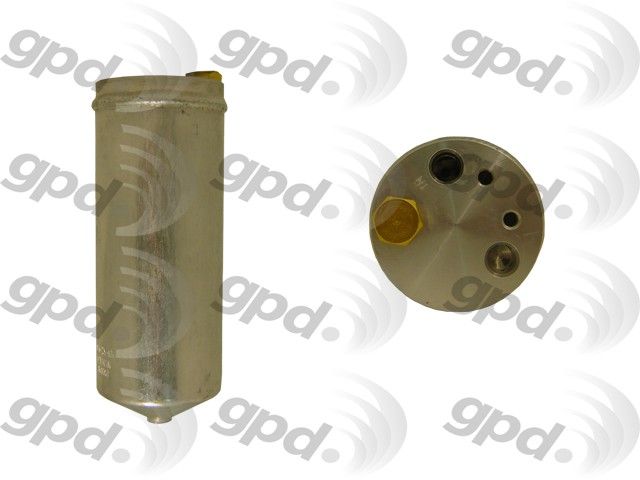
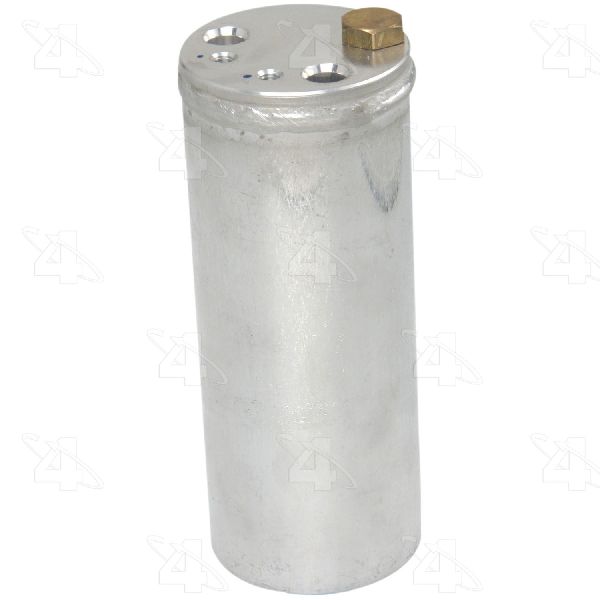
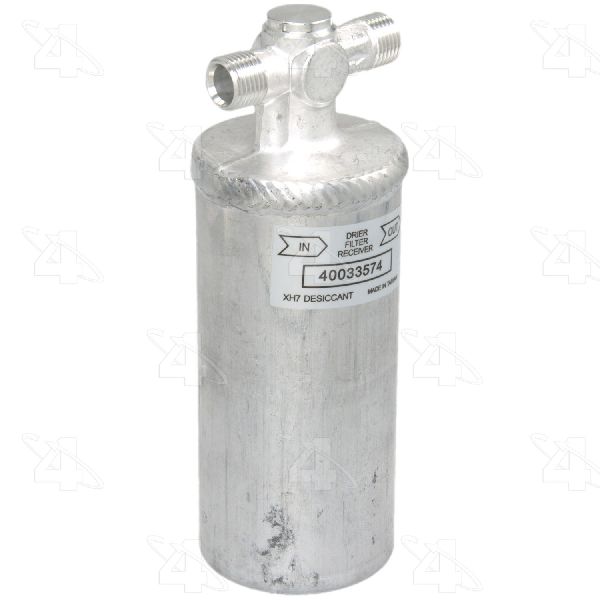
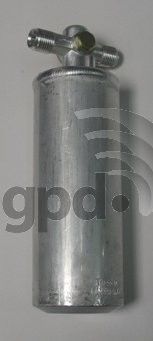
- Reputable Aftermarket: Brands like Four Seasons and Global Parts (GPD) are well-known in the aftermarket. They provide a reliable, budget-friendly alternative that meets the requirements for this part. For a component that must be replaced whenever the system is serviced, these brands offer a good balance of cost and function.
Pro Tip: When a major A/C component like the compressor fails, it often sends metal shavings throughout the system. This debris will clog the new receiver drier almost immediately. Always flush the entire A/C system and replace the expansion valve when installing a new compressor to ensure the new drier is protected.
Acura CL A/C Receiver Drier Replacement Costs
The part itself is inexpensive. The main cost of the repair comes from the specialized labor required to safely handle the refrigerant and recharge the system.
| Part or Service | Estimated Cost |
|---|---|
| New Aftermarket Receiver Drier | $21.50 - $64.71 |
| Shop Labor (including system evacuation & recharge) | $200 - $400 |
| Total Estimated Cost | $222 - $465 |
Note: Labor costs are estimates and can vary significantly by location and shop. This repair requires specialized equipment to recover and recharge refrigerant.
Frequently Asked Questions (FAQ)
Can I replace the A/C receiver drier myself?
This is not a recommended DIY job. While physically swapping the canister is simple, the A/C system must be professionally evacuated before it's opened and then properly vacuumed and recharged with refrigerant afterward. Handling refrigerant requires special equipment and certification.
Are there any recalls on the 1997-2003 Acura CL A/C system?
No. Searches of the National Highway Traffic Safety Administration (NHTSA) database show no recalls or technical service bulletins (TSBs) specifically for the A/C receiver drier on the 1997-2003 Acura CL. Recalls for this vehicle primarily concern airbags.
Does a new receiver drier need oil?
Yes, but a specific amount. The correct procedure is to drain the oil from the old drier, measure it, and add the same amount of new, compatible PAG oil to the new drier before installation. This ensures the system maintains the correct oil balance.
How is the receiver drier different on a 1st gen (97-99) vs 2nd gen (01-03) CL?
For both generations of the Acura CL, the A/C system uses a separate, canister-style receiver drier. Unlike some later Acura models that integrate the drier into the condenser, the part for your CL is a distinct and easily identifiable component.
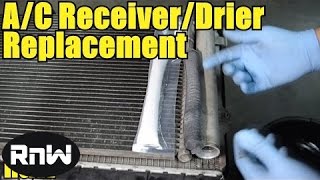
🎬 Watch how to replace a receiver drier or condenser element.Helpful Videos
Technical Specifications
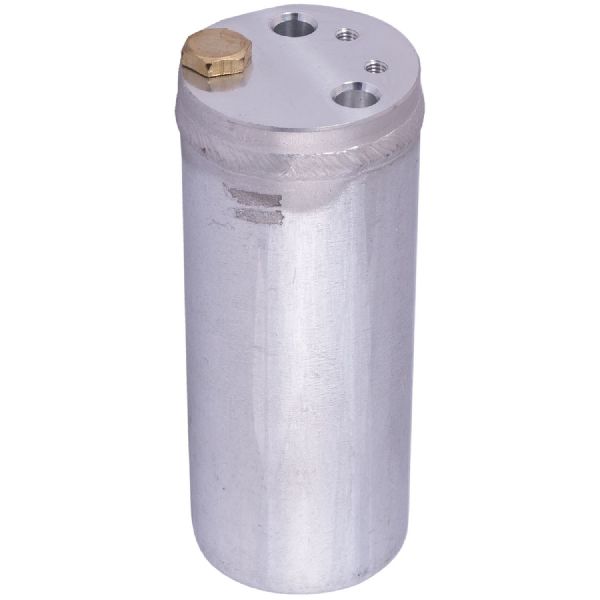
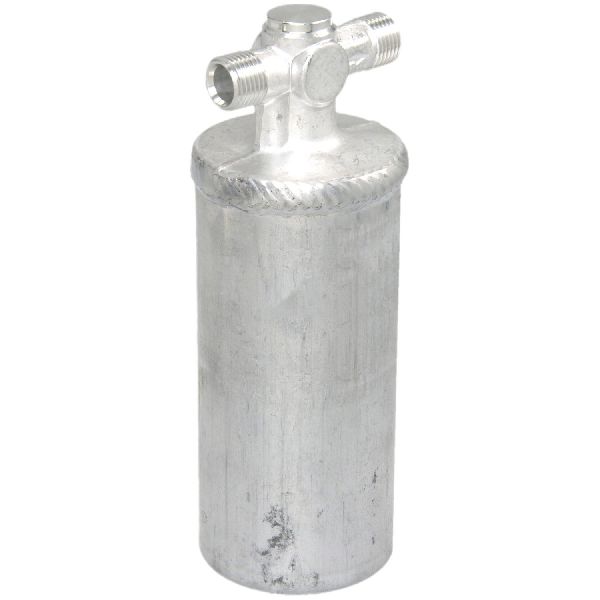
Canister-style receiver drier used in expansion valve A/C systems. Contains desiccant to absorb moisture.
We Have This Part in Stock

The information in this article is provided for general reference and educational purposes only. Vehicle specifications, procedures, and part compatibility can vary by production date, trim level, and region. Always consult your vehicle's factory service manual and verify part numbers before purchasing or performing repairs. Safety-critical components such as airbags, seat belts, and braking systems should be installed by a qualified professional.
- Acura CL:
- 🎬 Helpful Videos
- 🛍️ Shop This Part
- Is Your Acura CL's A/C Not Working? Check the Drier.
- The Golden Rule of A/C Repair
- Symptoms of a Bad A/C Receiver Drier
- Choosing the Right Aftermarket Drier for Your Acura CL
- Acura CL A/C Receiver Drier Replacement Costs
- Frequently Asked Questions (FAQ)
- 🎟️ Get 5% Off