

Acura CL Accessory Drive Belt Replacement Guide (1997-2003)
Learn how to choose the right new aftermarket accessory belt and avoid common issues for your 1997-2003 Acura CL.
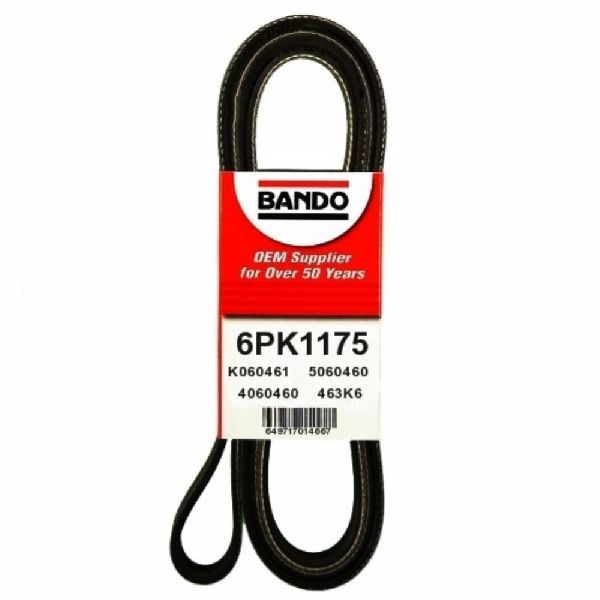
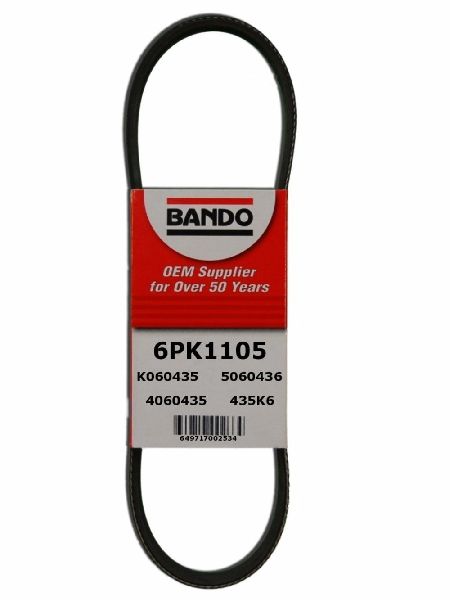
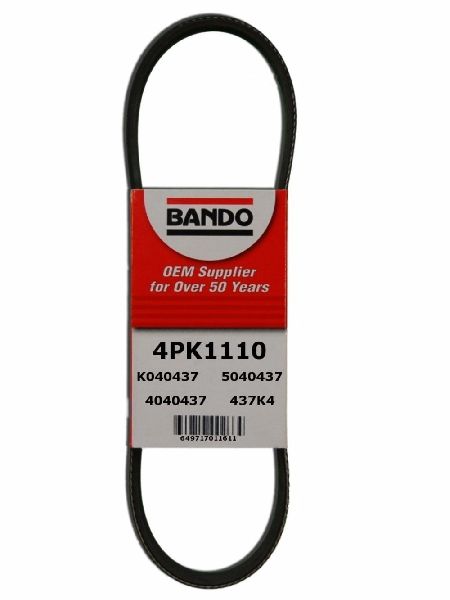
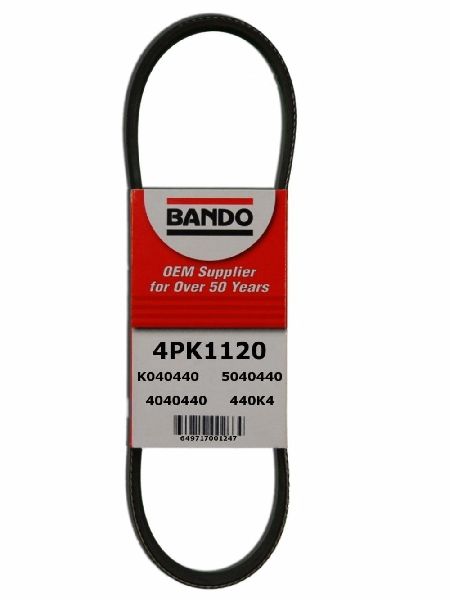
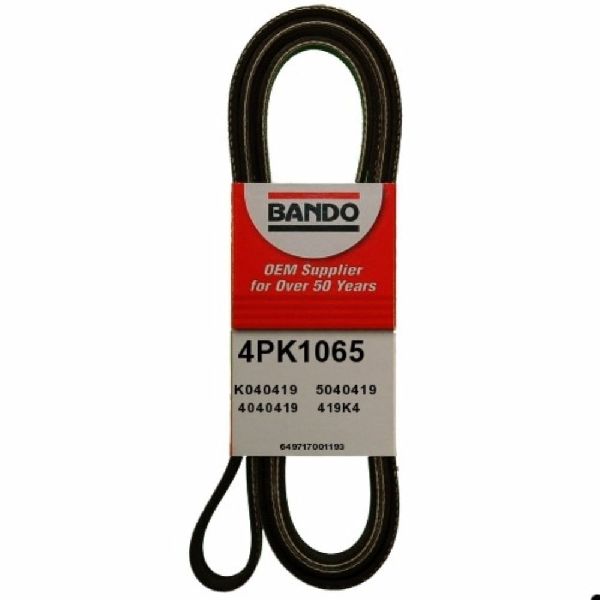
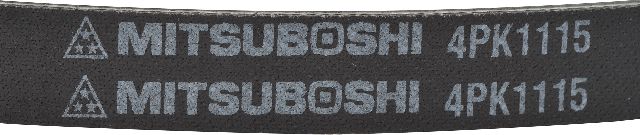
- Choose an OEM-supplier brand like Bando or Mitsuboshi for the best quality and value.
- V6 models often use two separate belts; confirm the correct parts for your specific engine.
- Always inspect the belt tensioner and idler pulleys when replacing the belt; they are a common source of noise.
- If the belt breaks, the car is not safe to drive due to the loss of power steering and charging system.
Signs of a Failing Accessory Drive Belt
A worn-out accessory belt will give you clear warning signs. The most common symptom is a high-pitched squeal or chirp coming from the engine bay. This noise is often worse on cold starts or when you turn the steering wheel all the way to one side. You might also notice visible damage on the belt itself, such as cracks, fraying, glazing (a shiny surface), or missing ribs. In some cases, a rattling sound may point to a failing belt tensioner, which should be inspected at the same time.
Critical Failure Warning
If the accessory drive belt breaks completely while driving, you will immediately lose power steering, making the car very difficult to control. The alternator will also stop charging the battery, causing your car to shut down after a short time. Do not drive a vehicle with a broken accessory belt.
Choosing the Right Aftermarket Belt
For your Acura CL, you can get OEM (Original Equipment Manufacturer) quality without paying dealership prices. Honda/Acura used brands like Bando and Mitsuboshi as original equipment suppliers. These exact same belts are available in the aftermarket for a fraction of the cost of a part in an Acura-branded bag.
- Tier 1 (OEM Supplier): Bando and Mitsuboshi are your best choices. They are the original suppliers to Honda/Acura, so the quality and fit will be identical to the factory part.
- Tier 2 (High-Quality Aftermarket): Brands like ACDelco and Gates are also excellent, reliable options with a strong reputation in the industry.
Pro Tip: Check Your Engine
The 1997-2003 Acura CL came with different engines (2.2L, 2.3L, 3.0L, and 3.2L). The V6 models often use two separate accessory belts. Always verify the correct part numbers for your specific year and engine before ordering to avoid mistakes.
Known Issues for the 1997-2003 Acura CL
Searches for official recalls and Technical Service Bulletins (TSBs) did not find any issues specifically for the accessory drive belts on this vehicle. However, a common point of failure is the automatic belt tensioner. A weak tensioner can't hold the belt tight enough, causing squeaking noises even with a new belt. It's highly recommended to inspect the tensioner and any idler pulleys when you change the belt. Spin them by hand; if they feel rough or make noise, they should be replaced.
Cost of Replacing an Acura CL Accessory Drive Belt
| Part Category | Estimated Cost |
|---|---|
| New Aftermarket Belt(s) | $18.17 - $37.15 |
| New OEM Belt(s) | $50 - $75 |
| Shop Labor | $75 - $150 |
Frequently Asked Questions (FAQ)
How often should I replace the accessory drive belt?
There is no universal interval, but a general guideline is to inspect the belt at every oil change and plan for replacement every 60,000 to 100,000 miles, or if you see signs of wear like cracking or fraying.
Should I replace the tensioner with the belt?
Not always, but it's a good idea to inspect it thoroughly. A failing tensioner is a common cause of belt noise and can ruin a new belt quickly. If the tensioner pulley feels rough when spun or the tensioner arm rattles, replace the entire assembly.
Is it hard to replace the accessory belt myself?
For a DIYer with basic tools, this is a manageable job. The most important part is understanding how to use a wrench or serpentine belt tool to release the tension on the automatic tensioner. Always make a diagram of the belt's path before removing the old one.
Why is my new belt still squeaking?
If a new belt is squeaking, the problem is likely not the belt itself. The most common causes are a weak tensioner that isn't providing enough force, misaligned pulleys, or fluids like oil or coolant that have leaked onto the pulleys.
Technical Specifications
OEM Part Numbers: 38920-P8C-A02 56992-P8A-305 38920-PAA-A03 56992-PAA-A01
Varies by engine. First generation (1997-99) 2.2L/2.3L 4-cylinder engines use a single belt. V6 models (3.0L and 3.2L) from all years often use a two-belt system: one for the Alternator/A-C and a separate belt for the Power Steering pump.
We Have This Part in Stock

The information in this article is provided for general reference and educational purposes only. Vehicle specifications, procedures, and part compatibility can vary by production date, trim level, and region. Always consult your vehicle's factory service manual and verify part numbers before purchasing or performing repairs. Safety-critical components such as airbags, seat belts, and braking systems should be installed by a qualified professional.
- Acura CL: