

Acura CL Alternator Guide (1997-2003): Choosing Your Replacement
Everything an owner needs to know when the battery light comes on in their 1997-2003 Acura CL.
- Verify your engine size (2.2L, 2.3L, 3.0L, or 3.2L) before ordering, as alternators differ between Acura CL models.
- Symptoms often include a battery light, dimming headlights, and a whining noise from the engine.
- Replacing the serpentine belt and testing the battery at the same time is highly recommended.
- The job is DIY-friendly for those with basic tools, but access can be tight, especially on V6 models.
Is Your Acura CL Alternator Failing?
When your Acura CL's alternator starts to fail, it gives clear warning signs. The most common is the battery-shaped warning light illuminating on your dashboard while driving. You might also notice your headlights and interior lights dimming or flickering, especially at idle. Other symptoms include slow or malfunctioning accessories like power windows, a whining or grinding noise from the engine bay that changes with engine speed, or a battery that repeatedly dies even after being jump-started. In some cases, a failing alternator can produce a smell of burning rubber. If the alternator fails completely, the car will run on battery power for a short time before stalling.
Choosing a New Aftermarket Alternator for Your CL
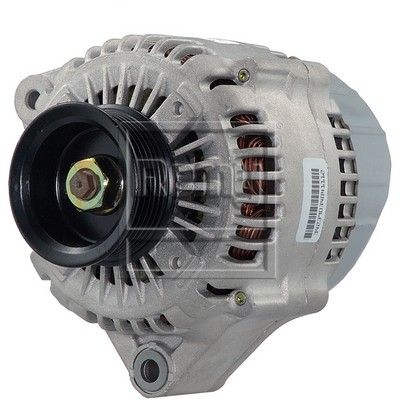
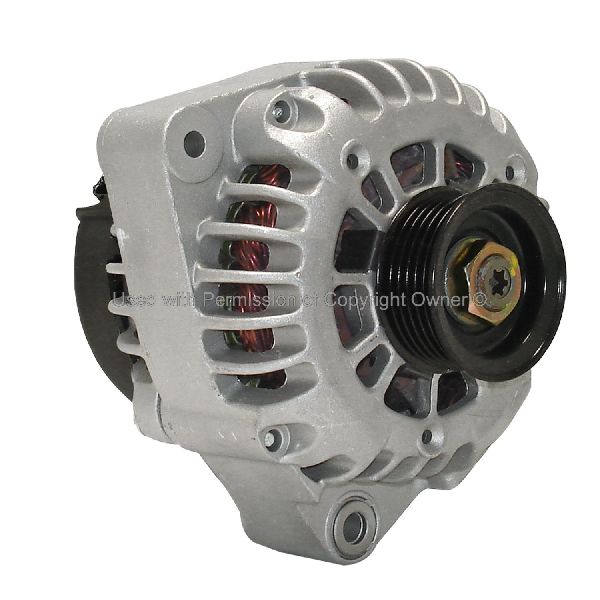
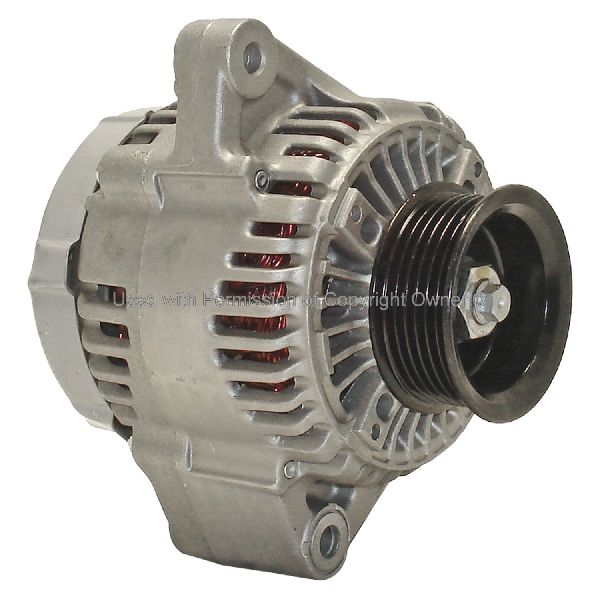
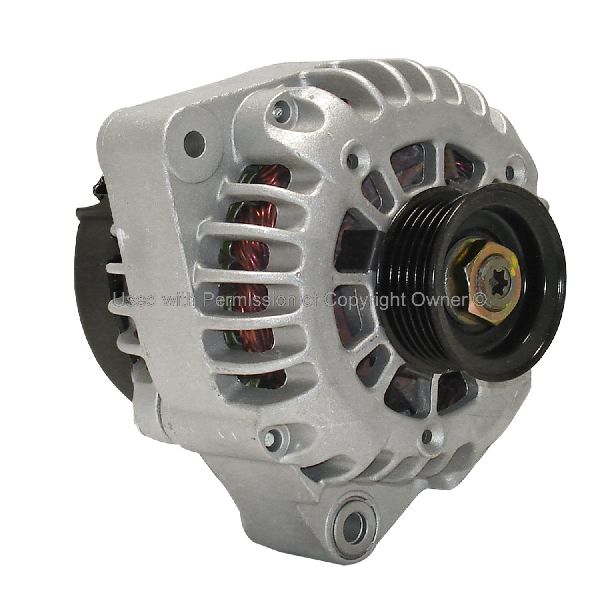
The original alternator on your Acura was made by Denso, a brand known for its quality and reliability. When replacing it, you have a choice between a new OEM (Original Equipment Manufacturer) Denso part, a remanufactured Denso part, or a new aftermarket part from a different brand. Aftermarket parts offer a significant cost advantage and can be just as reliable as the original.
Aftermarket Brand Tiers
| Tier | Brands | Our Take |
|---|---|---|
| Premium Aftermarket | Bosch, ACDelco (Professional Line) | These brands are well-regarded for their engineering and quality control. They often meet or exceed original specifications and are an excellent choice for owners who want maximum reliability and longevity, similar to the original Denso part. |
| Quality Mid-Grade | Remy, WAI Global | Brands like WAI and Remy offer a great balance of price and performance. They are dependable choices for a daily driven CL, providing reliable service without the premium price tag. Many WAI units even come with a test sheet verifying their performance. |
| Economy | BBB Industries, MPA | For the most budget-conscious repairs, these brands provide a functional replacement to get your CL back on the road. While they may not have the same lifespan as premium options, they are a viable solution for older vehicles or tight budgets. |
Important: Check Your Engine and Amperage
The 1997-2003 Acura CL came with several different engines, and the alternator is not the same for all of them. The first generation (1997-1999) had 2.2L, 2.3L, and 3.0L engines, while the second generation (2001-2003) used a 3.2L V6 (including the Type-S). Amperage ratings vary, from around 90A for the 4-cylinder models to 105A or 120A for the V6 models. Always confirm your specific engine size to ensure you order the correct part.
Known Issues, Recalls, or Service Bulletins
Searches for official recalls on the NHTSA database for the 1997-2003 Acura CL alternator did not yield any specific results directly targeting this component. Likewise, no specific Technical Service Bulletins (TSBs) related to widespread alternator failure on these models were found. Most issues reported by owners are related to normal wear and tear after many years of service.
Pro Tip: Replace the Serpentine Belt
Since you already have to remove the serpentine belt to replace the alternator, it is highly recommended to install a new one at the same time. Belts are inexpensive and replacing it now can save you from having to do the job twice. Also, inspect the belt tensioner for wear.
Cost of Replacing an Acura CL Alternator
The total cost depends on the part you choose and whether you do the work yourself or hire a professional. Labor costs at a shop are typically estimated to be between $95 and $270.
| Category | Estimated Cost |
|---|---|
| Shop Labor | $95 - $270 |
| New Aftermarket Part | $55 - $387 |
| Total Professional Installation | $150 - $657 |
Frequently Asked Questions (FAQ)
Is it hard to replace the alternator on a 1997-2003 Acura CL?
For a DIYer with some experience, the replacement is straightforward. It involves disconnecting the battery, removing the serpentine belt, unplugging the electrical connectors, and unbolting the alternator. Access can be tight, and on V6 models, you may need to move the power steering reservoir out of the way to create enough space to remove the unit. Basic hand tools, including a serpentine belt tool or a long wrench for the tensioner, are required.
Should I replace the battery at the same time as the alternator?
It's a good idea to have your battery tested. A failing alternator can strain and damage a battery, and a bad battery can overwork and burn out a new alternator. If the battery is more than 3-4 years old or fails a load test, replacing it along with the alternator is cheap insurance against future problems.
What is a "core charge?"
Many remanufactured and some new alternators have a "core charge." This is a refundable deposit you pay when you buy the part. You get the deposit back when you return your old, failed alternator to the seller. This allows the manufacturer to rebuild the old part, which is a common practice for components like alternators.
How do I know if it's the battery or the alternator that's bad?
A simple test can help. If the car starts with a jump but dies immediately after the jumper cables are removed, the alternator is almost certainly the problem. If the car starts with a jump and continues to run, but won't start again on its own later, the battery is likely the culprit because it isn't holding a charge. For a definitive diagnosis, test the battery voltage with the car off (should be ~12.5V) and running (should be ~14.0-14.5V). A low voltage reading while the engine is running points to a bad alternator.
Technical Specifications
OEM Part Numbers: 31100-P1E-A01 31100-P0A-A03 31100-P8E-A21 31100-P8E-A22 31100-PFW-J02 CLG68 CLG69
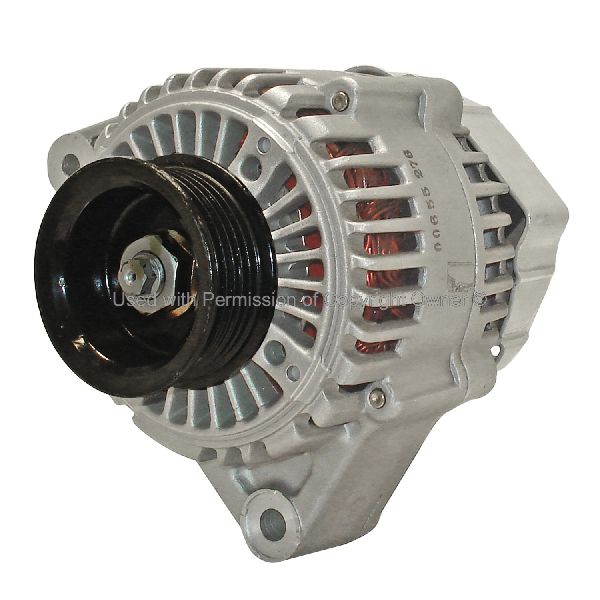
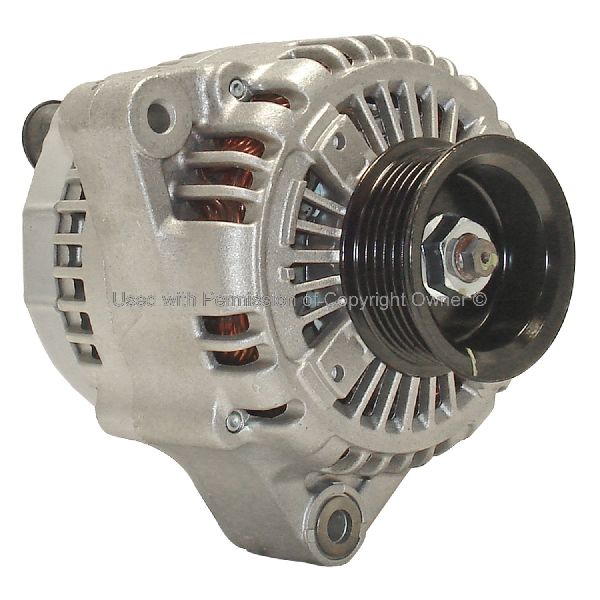
Amperage: 90A (2.2L), 105A (3.0L/3.2L), 120A (3.2L Type-S). Voltage: 12V. Pulley: 6-Groove Pulley. Rotation: Clockwise.
We Have This Part in Stock

The information in this article is provided for general reference and educational purposes only. Vehicle specifications, procedures, and part compatibility can vary by production date, trim level, and region. Always consult your vehicle's factory service manual and verify part numbers before purchasing or performing repairs. Safety-critical components such as airbags, seat belts, and braking systems should be installed by a qualified professional.
- Acura CL:
- 🛍️ Shop This Part
- Is Your Acura CL Alternator Failing?
- Choosing a New Aftermarket Alternator for Your CL
- Aftermarket Brand Tiers
- Important: Check Your Engine and Amperage
- Known Issues, Recalls, or Service Bulletins
- Pro Tip: Replace the Serpentine Belt
- Cost of Replacing an Acura CL Alternator
- Frequently Asked Questions (FAQ)
- 🎟️ Get 5% Off