

A Guide to Replacing Disc Brake Hardware on Your 1997-2003 Acura CL
Don't let worn-out clips and pins ruin your brake job; here's what you need to know for your CL.
- Always replace your disc brake hardware when changing brake pads to prevent noise and ensure even wear.
- Verify the correct kit for your CL's specific year and engine, as first (1997-99) and second (2001-03) generations use different parts.
- Lubricating the new hardware clips and caliper slide pins with high-temperature brake grease is essential for a quiet, long-lasting brake job.
- For most owners, a standard-quality kit from a brand like Centric or Carlson offers the best combination of value and reliability.
Understanding Your CL's Brake Hardware
When performing a brake job on your 1997-2003 Acura CL, the focus is usually on the pads and rotors. However, the small metal pieces in the disc brake hardware kit are just as important. This hardware includes anti-rattle clips, pad retainer springs, and sometimes new caliper pin boots. Over time, these metal parts are exposed to immense heat and road grime. They can lose their spring tension, corrode, or break, leading to annoying noises and braking problems. It is a strong recommendation from mechanics to replace this hardware every time you replace your brake pads to ensure a complete and long-lasting repair.
Generation & Engine Brake System Differences
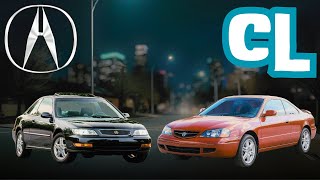
The Acura CL was produced in two distinct generations, and the brake systems are not the same. Ordering the wrong kit is a common mistake.
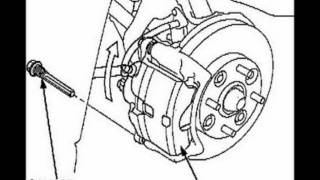
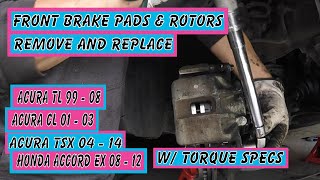
- First Generation (1997-1999): These models have different front brake hardware depending on the engine (4-cylinder vs. V6). The 1997 models, in particular, use a "captive rotor" design on the front axle, which is much more difficult to service 🎬 See how to replace front pads and rotors with torque specs. than later years. The hardware for these early models is specific and not interchangeable with the second generation.
- Second Generation (2001-2003): These models, including the base 3.2L and the performance Type-S, use a more conventional brake setup that is easier to service. While front rotors are the same between the base and Type-S, you should always verify the hardware kit is correct 🎬 Watch a step-by-step front brake pad replacement for 2001-2003 models. for your specific model year.
Choosing the Right Aftermarket Hardware Kit
You don't need to buy hardware from the Acura dealer to get a quality repair. Aftermarket brands offer excellent options that often meet or exceed original equipment (OE) quality. The brands are generally grouped into quality tiers.
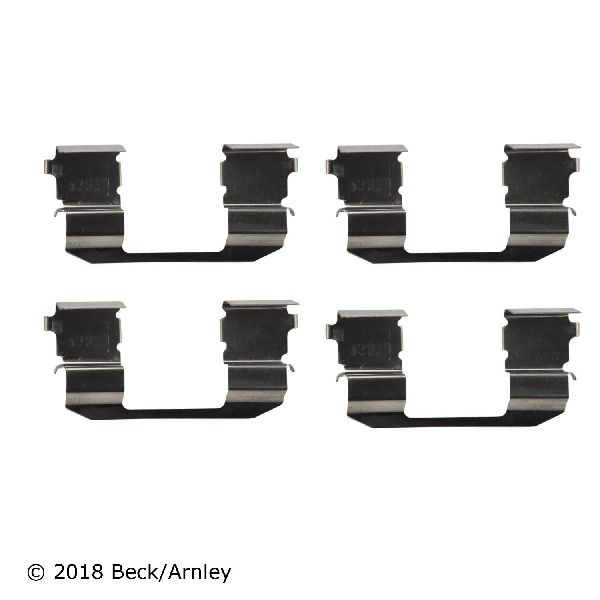
- Premium Brands (e.g., Raybestos, Beck Arnley): These brands are known for high-quality materials that closely match the original parts. Raybestos is a top name in braking, and their hardware is built to last. Beck Arnley specializes in sourcing parts that are equivalent to what the factory installed. These are excellent choices if you want the best fit and longest life.
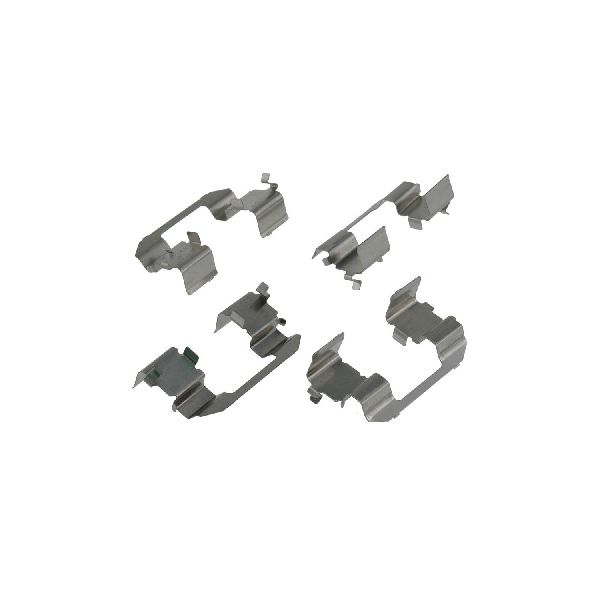
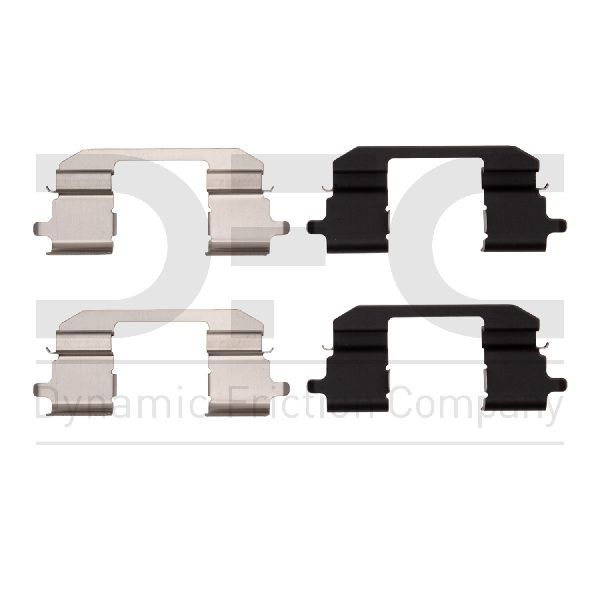
- Standard/Value Brands (e.g., Centric, Carlson, Dynamic Friction): This is the sweet spot for most owners. Centric is a massive aftermarket supplier with a reputation for solid quality and fitment. Carlson specializes in brake hardware and is a very reliable choice. These kits offer a great balance of price and performance for daily driving.
- Economy Brands (e.g., Dorman): Dorman offers a vast catalog and can be a good value. While their hardware is functional, it may not always have the same level of finish or material quality as more premium options. They are a budget-friendly choice that will get the job done.
Pro Tip: Check for Included Hardware
Many premium brake pad sets come with a new hardware kit included in the box. Check the product description before buying a separate hardware kit, as you may not need one.
Cost of Replacing Disc Brake Hardware
| Part/Service | Estimated Cost |
|---|---|
| Aftermarket Hardware Kit | $7 - $40 |
| Shop Labor (as part of a brake job) | $150 - $300 per axle |
Note: Labor for hardware replacement is almost always included in the labor cost for a full brake pad and rotor replacement. The cost listed reflects the total for a typical brake job. Labor for first-generation (1997-1999) front brakes can be significantly higher due to the captive rotor design.
Frequently Asked Questions (FAQ)
Do I really need to replace the hardware with every brake job?
Yes. The old clips and springs have been heat-cycled thousands of time and have lost their tension. Reusing them can lead to brake noise, premature pad wear, and a spongy pedal feel. For the low cost of a kit, it is cheap insurance for a quiet, reliable brake job.
What is included in a typical hardware kit?
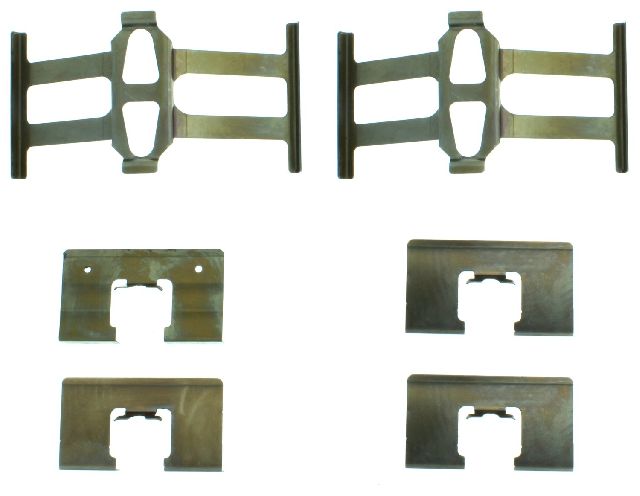
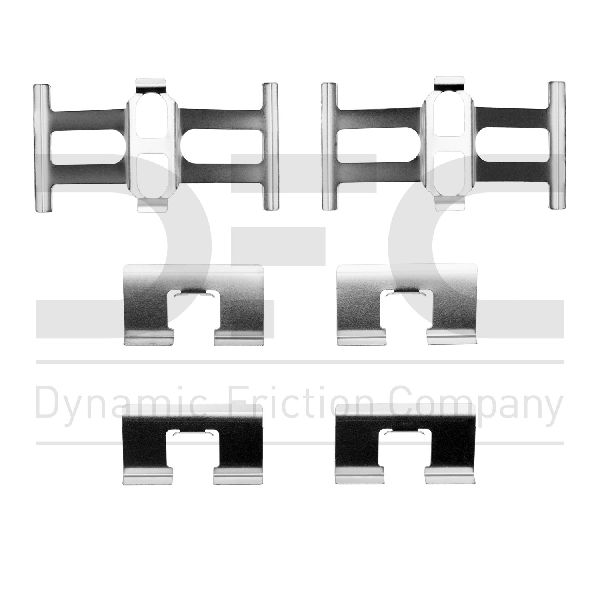
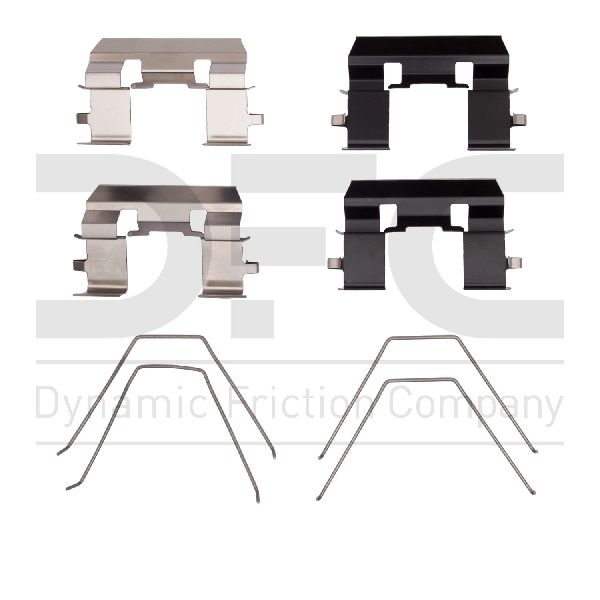
Most kits for the Acura CL will include the metal anti-rattle clips (pad retainers) that fit into the caliper bracket. Some more comprehensive kits may also include new caliper guide pin boots and a small packet of high-temperature brake grease.
My new brakes are squeaking. Could it be the hardware?
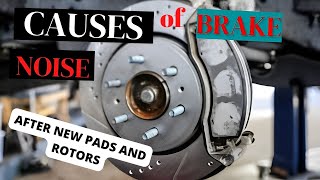
It's possible. If old hardware was reused, it could be the cause. However, noise after a brake job can also be from improper lubrication of contact points 🎬 Learn more about common causes of brake noise after a repair., the need to bed-in the new pads, or using low-quality pads. Ensure all metal-to-metal contact points between the pads, hardware, and caliper are properly lubricated with brake grease.
Are there any recalls or TSBs for my CL's brake hardware?
No. Searches of the NHTSA database and for Technical Service Bulletins (TSBs) did not find any recalls or bulletins specifically for the disc brake hardware on the 1997-2003 Acura CL. Any recalls found for Acura brakes were for much newer models and different issues.
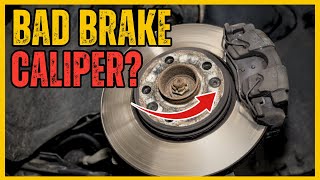
Helpful Videos
Technical Specifications
OEM Part Numbers: 45235-SM4-A02 43243-SP0-000 06455-S84-A00 45022-S84-A01
Kits typically include anti-rattle clips and pad retainer springs. Some may include caliper pin boots and grease. Materials are typically stainless steel or plated steel to resist corrosion and heat.
We Have This Part in Stock

The information in this article is provided for general reference and educational purposes only. Vehicle specifications, procedures, and part compatibility can vary by production date, trim level, and region. Always consult your vehicle's factory service manual and verify part numbers before purchasing or performing repairs. Safety-critical components such as airbags, seat belts, and braking systems should be installed by a qualified professional.
- Acura CL: