

Choosing the Right Aftermarket Brake Pads for Your 1997-2003 Acura CL
Get the best stopping power for your CL by understanding which brake pads fit your driving style and budget.
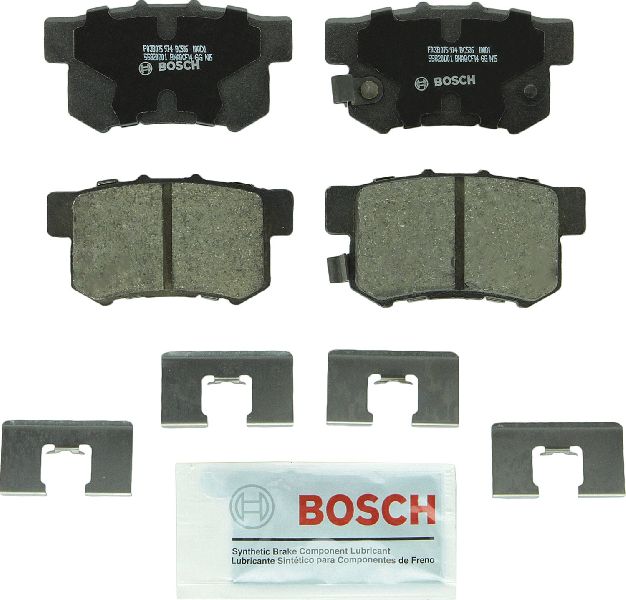
- For a quiet, low-dust ride similar to stock, choose OEM-equivalent ceramic pads from brands like Akebono or Bosch.
- For improved stopping power, consider performance pads from Hawk, EBC, or Powerstop, but expect some potential for more dust or noise.
- Always inspect and lubricate caliper slide pins during a brake job to prevent uneven pad wear, a common issue on these cars.
- The first generation (1997-1999) has different brake components than the second generation (2001-2003), and front rotor replacement is significantly more difficult on early models.
Signs Your Acura CL Needs New Brake Pads
Worn brake pads can't stop your car effectively. Ignoring the signs can lead to longer stopping distances or complete brake failure. Look out for these common symptoms:
- Squealing or Screeching: Most pads have a small metal tab called a wear indicator. When the pad material gets low, this tab scrapes against the rotor, making a high-pitched noise to alert you.
- Grinding Noise: If you hear a deep, metallic grinding, stop driving immediately. This means the pad material is completely gone, and the metal backing plate is grinding against the rotor, causing severe damage.
- Spongy or Soft Brake Pedal: A pedal that feels less responsive than usual can indicate worn pads or other issues within the brake system, like low fluid or sticking calipers.
- Longer Stopping Distances: If your CL takes longer to stop than it used to, your brake pads are likely worn out and can't create enough friction.
- Steering Wheel Vibration: A pulsing or shaking in the steering wheel when you brake often points to warped brake rotors, a common issue that can be caused by worn pads.
First Generation (1997-1999) Brake Differences
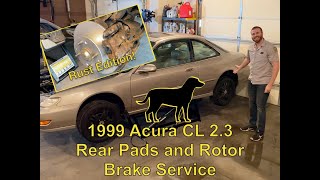
The first-generation Acura CL has a unique front brake design, particularly the 1997 models, which used "captive" rotors. This means replacing the front rotors is a much more complex job that involves removing the hub. 🎬 Watch this walkthrough for replacing front pads on 1997-1999 models. The front pads, calipers, and rotors are also different between the 4-cylinder and V6 models. Be sure to order parts that are specific to your exact year and engine size.
Choosing the Right Aftermarket Brake Pads
Aftermarket brake pads offer a wide range of options that can meet or exceed the quality of the original factory pads. They are generally categorized by their material and intended use. For your Acura CL, you can choose between pads that restore original performance or upgrade it.
Tier 1: OEM-Equivalent & Daily Driver Pads
These pads are designed to be quiet, produce low dust, and provide a smooth, consistent stop, much like the original pads. They are perfect for daily commuting.
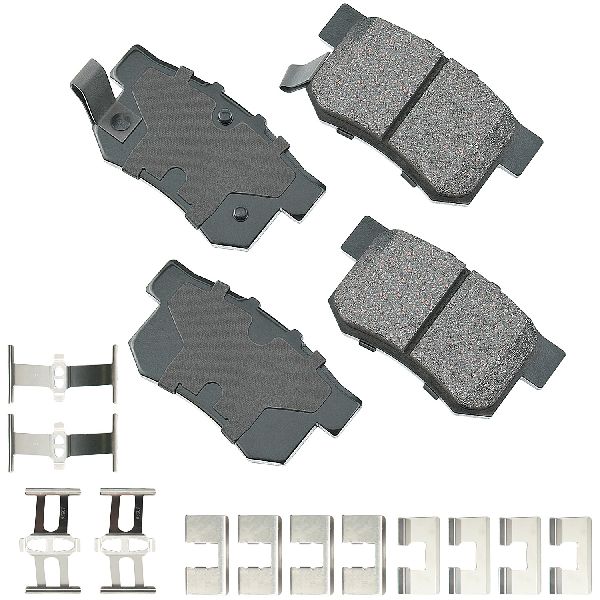
- Akebono: Often an OEM supplier for Honda/Acura, Akebono pads are highly recommended by CL owners for their quiet operation, low dust, and factory-like feel. They are considered a top choice for a stock replacement.
- Bosch QuietCast: A popular choice known for being quiet and reliable for daily driving. While some users find they have slightly less material than other brands, they offer good value.
- Centric/StopTech: Centric offers a variety of lines, with their Posi-Quiet and standard pads being excellent OEM replacements. StopTech is their performance division, but their street pads are also great for daily use.
- Wagner ThermoQuiet: A long-standing brand that provides reliable, quiet performance for everyday driving.
- Raybestos: The Element3 line is well-regarded for its quality and performance, often considered a step above standard replacement pads.
Tier 2: Performance & Sport Pads
If you drive your CL more aggressively or want improved initial bite and fade resistance, performance pads are a great upgrade. Be aware they may produce more dust and noise than OEM-style pads.
- Hawk Performance (HPS/HPS 5.0): A very popular upgrade for CL and TL owners. Hawk pads offer a significant increase in stopping power, though they can be dustier than stock.
- EBC Brakes (Greenstuff/Redstuff): EBC offers different compounds for various levels of street performance. Greenstuff is a good first step up from stock, while Redstuff offers even higher performance with less dust than other performance pads.
- Powerstop Z23 Evolution Sport: Often sold in kits with drilled and slotted rotors, these carbon-fiber ceramic pads provide enhanced stopping power with low dust and noise, making them a popular all-in-one upgrade.
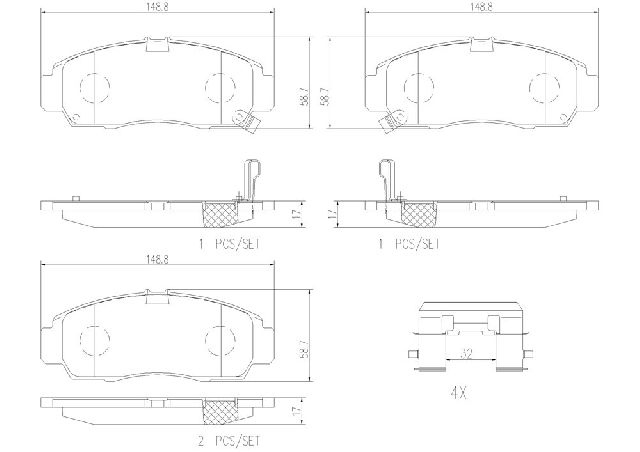
- Brembo: While known for their high-end brake systems, Brembo also offers replacement pads that provide excellent performance, often paired with their blank rotors for a solid OEM+ setup.
Pro Tip: Check Your Caliper Slide Pins
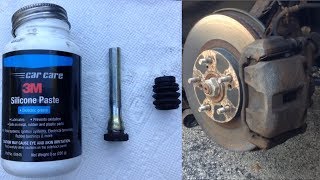
A common issue on older Honda and Acura vehicles is seized or sticky caliper slide pins. These pins allow the caliper to move freely. If they are stuck, the brake pads will wear unevenly and rapidly. During any brake job on your CL, it's essential to clean and re-lubricate these pins with high-temperature silicone brake grease.
🎬 See how to properly clean and lubricate your caliper pins.Estimated Costs for Disc Brake Pad Set Replacement
| Item | Estimated Cost |
|---|---|
| Aftermarket Brake Pad Set (Front or Rear) | $18 - $150 |
| Performance Aftermarket Brake Pad Set (Front or Rear) | $75 - $290 |
| Shop Labor for Pad Replacement (per axle) | $120 - $250 |
| Total (DIY) | $18 - $290 |
| Total (Installed at Shop) | $140 - $540 |
Costs are estimates and can vary based on location, brand, and vehicle condition. Rotor replacement or resurfacing will add to the total cost.
Frequently Asked Questions (FAQ)
Do I need to replace my rotors with my pads?
It is highly recommended. If your rotors are worn, grooved, or warped (causing a pulsation in the pedal), they must be replaced or resurfaced. Installing new pads on worn rotors will cause noise, poor performance, and rapid pad wear. For the 1997-1999 CL, front rotor replacement is more involved.
What's the difference between ceramic and semi-metallic pads?
Ceramic pads are known for being very quiet, producing fine, light-colored dust that doesn't stick to wheels, and offering a long lifespan. Semi-metallic pads typically offer better performance in aggressive driving and have a stronger initial "bite," but they can be noisier and produce more dark-colored dust. Many modern pads, like those from Powerstop, are a carbon-fiber ceramic hybrid, aiming for the best of both worlds.
What is brake pad "break-in" or "bedding"?
Break-in is a process of controlled stops after installing new pads and rotors. It deposits an even layer of friction material onto the rotor surface, which helps prevent vibration and ensures optimal performance and pad life. Most performance pad manufacturers provide a specific bedding-in procedure.
🎬 Watch this guide to learn how and why to bed brakes.Were there any recalls for the 1997-2003 Acura CL brakes?
Searches for brake-specific recalls on the 1997-2003 Acura CL on the NHTSA database did not show any results directly related to the brake pads or calipers. Most recalls for this generation were related to airbags. Later model Acuras had recalls for other brake components, but not this specific model and year range.
Helpful Videos

Technical Specifications
OEM Part Numbers: 45022-S3N-000 45022-SZ3-A50 45022-SEA-J11 43022-SEP-A00
The 1997-2003 Acura CL uses single-piston sliding calipers. The first generation (1997-1999) features a more complex captive rotor design on the front axle. The second generation (2001-2003) uses a more conventional and easier-to-service hub-over-rotor design. Pad material was originally semi-metallic, but ceramic is a common and recommended aftermarket upgrade.
We Have This Part in Stock
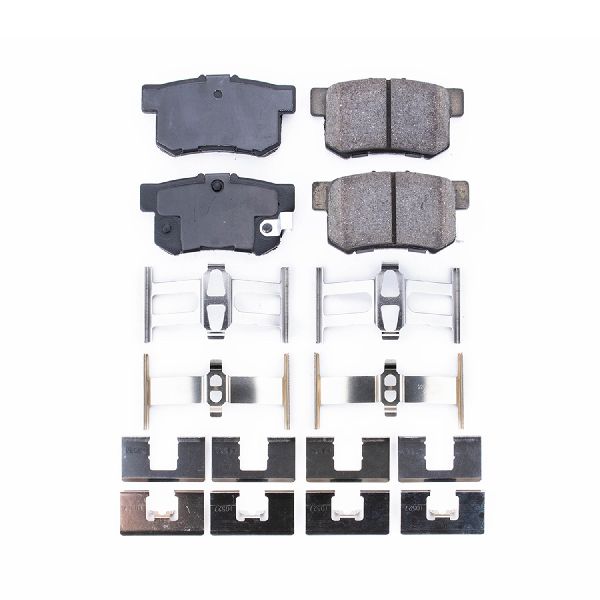
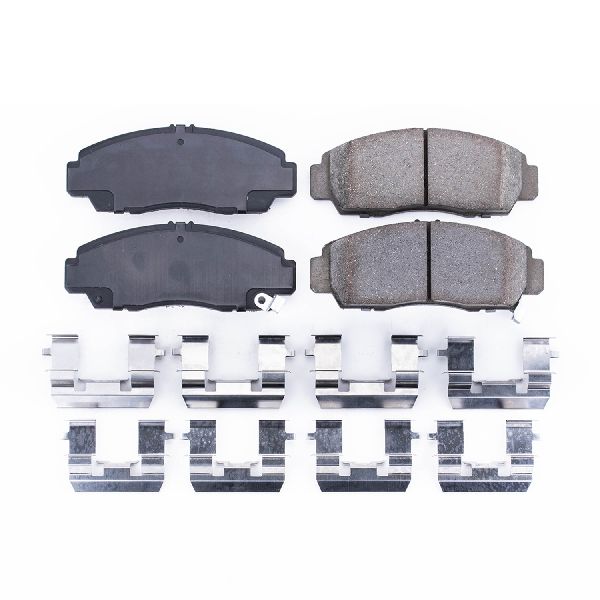
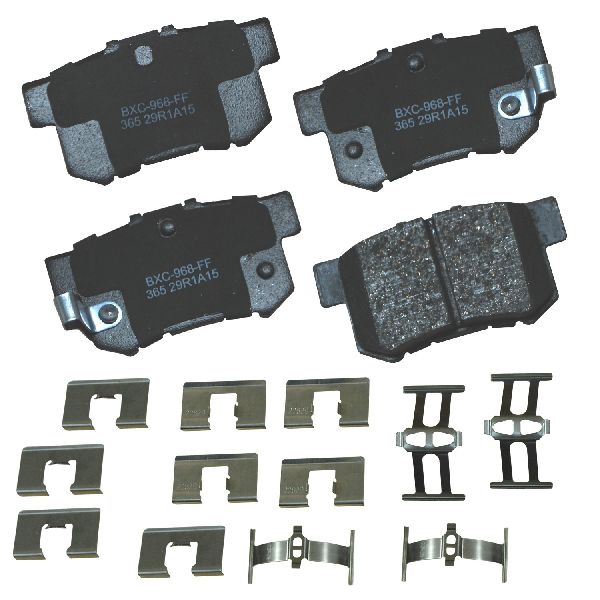

The information in this article is provided for general reference and educational purposes only. Vehicle specifications, procedures, and part compatibility can vary by production date, trim level, and region. Always consult your vehicle's factory service manual and verify part numbers before purchasing or performing repairs. Safety-critical components such as airbags, seat belts, and braking systems should be installed by a qualified professional.
- Acura CL:
- 🎬 Helpful Videos
- 🛍️ Shop This Part
- Signs Your Acura CL Needs New Brake Pads
- First Generation (1997-1999) Brake Differences
- Choosing the Right Aftermarket Brake Pads
- Tier 1: OEM-Equivalent & Daily Driver Pads
- Tier 2: Performance & Sport Pads
- Pro Tip: Check Your Caliper Slide Pins
- Estimated Costs for Disc Brake Pad Set Replacement
- Frequently Asked Questions (FAQ)
- 🎟️ Get 5% Off