

Engine Coolant Thermostat Guide for the 1997-2003 Acura CL
Everything Acura CL owners need to know before replacing a failing engine coolant thermostat.
- A bad thermostat can cause either overheating (stuck closed) or no cabin heat (stuck open).
- Overheating while idling often points to radiator fan issues, not just the thermostat.
- Most owners and mechanics recommend using a genuine Honda/Acura OEM thermostat for best reliability.
- Always replace the thermostat gasket and properly bleed the cooling system of air after replacement to avoid issues.
Is Your Acura CL Overheating or Blowing Cold Air?
A faulty thermostat is a common reason for cooling system problems in the 1997-2003 Acura CL. Because this part can fail in two ways—stuck open or stuck closed—the symptoms can be confusing. A thermostat that's stuck closed will cause the engine to overheat quickly, a serious condition. A thermostat that's stuck open will prevent the engine from reaching its proper temperature, leading to poor performance, no heat in the cabin, and potentially a check engine light.
Common Symptoms of a Bad Thermostat
- Engine Overheating: The temperature gauge climbs into the red, especially when idling or in stop-and-go traffic. This is the most serious symptom.
- No Cabin Heat: You turn the heat on, but only cool air comes out of the vents. This happens because the engine isn't getting hot enough to warm the coolant for the heater core.
- Temperature Gauge Fluctuates: The needle may jump from cool to hot suddenly or take a very long time to reach the middle of the gauge.
- Coolant Leaks: While not a direct symptom of the thermostat itself, a leak from the thermostat housing area indicates a problem with the housing or gasket.
A Note on Overheating
If your CL is overheating, it's important to stop driving as soon as it is safe to do so. Overheating can cause severe and expensive engine damage, such as a warped cylinder head or blown head gasket. While a bad thermostat is a common cause, overheating can also be caused by a failing radiator fan, a coolant leak, or a bad radiator cap.
Choosing the Right Aftermarket Thermostat for Your CL
For a critical part like a thermostat, quality matters. While many aftermarket options exist, the general consensus among Acura owners is to stick with an OEM (Original Equipment Manufacturer) part if possible. An OEM thermostat is designed for the exact temperature specifications of your CL's engine. However, if you are choosing an aftermarket part, here is a breakdown of common brand tiers.
Tier 1: OEM & OEM-Equivalent Brands
These are the safest bet for reliability and correct fitment. The original thermostat was likely made by Nippon Thermostat, Fuji Seiko, or a similar Japanese supplier.
- Genuine Acura/Honda: The most reliable choice, guaranteed to meet the correct temperature specifications (usually 170°F or 172°F for the CL). Part numbers to look for include 19301-P8E-A10 and 19301-PAA-306.
- Aisin: A well-respected Japanese company that is an OEM supplier for many car brands. Their thermostats are generally considered high quality.
Tier 2: Reputable Aftermarket Brands
These brands are widely available and can offer good value, but quality can sometimes be inconsistent compared to OEM.
- Gates: Known primarily for belts and hoses, Gates thermostats are generally considered a reliable aftermarket choice.
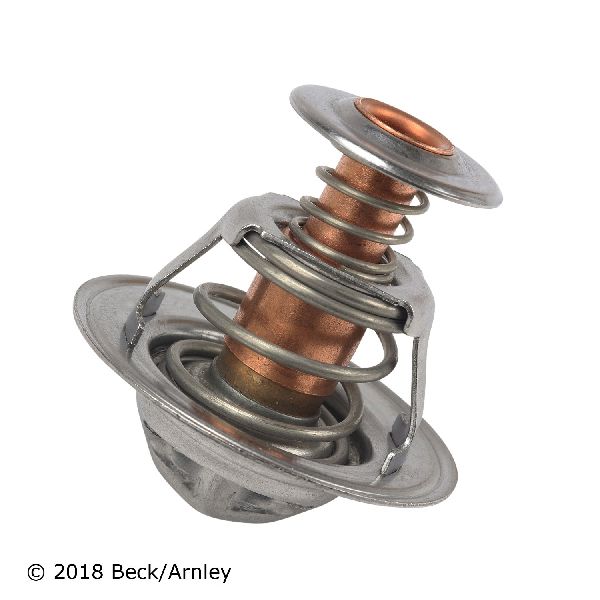
- Beck Arnley: This brand sources parts from various manufacturers, sometimes even from the original OEM supplier. However, reviews can be mixed, with some users reporting early failures.
Tier 3: Budget & Specialty Brands
Use caution with these options. While the price is low, the risk of premature failure is higher.
- Motorad: Reviews for Motorad are very polarized. Some users experience failures within months, while others note that Motorad sometimes manufactures thermostats for car companies. Their "Fail-Safe" models are designed to lock in the open position if they fail, which prevents overheating but leaves you with no cabin heat.
- Mishimoto: This is a performance brand. Their thermostats are high quality but typically open at a lower temperature. This is not recommended for a stock, daily-driven vehicle as it can negatively impact fuel economy, emissions, and may even cause a check engine light.
- Calorstat / Facet: These are more common in the European market but are available. Less data exists on their performance in Acura vehicles.
Pro Tip: Always Replace the Gasket
No matter which thermostat you choose, always install it with a new gasket or O-ring. Most new thermostats include one in the box. This will prevent leaks from the housing after the job is done.
Frequently Asked Questions (FAQ)
Is replacing the thermostat a DIY job?
Yes, for most home mechanics with a basic set of tools, this is a feasible DIY project. The process involves draining some coolant, removing the air intake components for access, unbolting the housing, swapping the part, and then refilling and bleeding the air from the cooling system. The most critical and sometimes difficult part is properly bleeding the system to remove all air pockets.
My CL overheats at stop lights but is fine on the highway. Is it the thermostat?
It could be, but this specific symptom often points to a problem with the radiator cooling fans. When the car is moving, air is forced through the radiator, keeping it cool. When the car stops, it relies on the electric fans to pull air through. Check to see if your fans are turning on when the engine gets hot and when you turn on the A/C. If they aren't, the problem is likely the fan motor, relay, or switch, not the thermostat.
Are there any recalls or TSBs for the Acura CL thermostat?
There are no specific recalls for the thermostat on the 1997-2003 Acura CL. However, there is a Technical Service Bulletin (TSB #804) for potential engine coolant leaks on some models, which highlights the importance of keeping the cooling system in good shape.
Should I use a lower temperature 'racing' thermostat like Mishimoto?
For a standard, daily-driven Acura CL, the answer is no. The engine is designed to run at a specific temperature for optimal efficiency and longevity. A lower-temperature thermostat can cause the engine to run too cool, leading to increased engine wear, poor fuel economy, and potential check engine light codes. These are best left for highly modified or track-only vehicles.
Technical Specifications
OEM Part Numbers: 19301-P8E-A10 19301-PAA-306 19301-P08-316
OEM Opening Temperature: Approx. 170-172°F (78°C)
We Have This Part in Stock


The information in this article is provided for general reference and educational purposes only. Vehicle specifications, procedures, and part compatibility can vary by production date, trim level, and region. Always consult your vehicle's factory service manual and verify part numbers before purchasing or performing repairs. Safety-critical components such as airbags, seat belts, and braking systems should be installed by a qualified professional.
- Acura CL:
- 🛍️ Shop This Part
- Is Your Acura CL Overheating or Blowing Cold Air?
- Common Symptoms of a Bad Thermostat
- A Note on Overheating
- Choosing the Right Aftermarket Thermostat for Your CL
- Tier 1: OEM & OEM-Equivalent Brands
- Tier 2: Reputable Aftermarket Brands
- Tier 3: Budget & Specialty Brands
- Pro Tip: Always Replace the Gasket
- Frequently Asked Questions (FAQ)
- 🎟️ Get 5% Off