

Acura CL Crankshaft Position Sensor Guide (1997-2003)
Diagnose and choose the right crankshaft position sensor for your first or second generation Acura CL.
- For reliability, choose an OEM-equivalent brand like Denso or Hitachi for this critical sensor.
- The primary sensor is difficult to access; plan to replace it during a timing belt service to save on labor costs.
- Owners of 6-speed manual CL models should be aware they have two crank sensors, and a code for one can be caused by the other.
- A failing sensor can cause dangerous stalling, so it should be replaced as soon as it's diagnosed.
Is Your Acura CL Stalling or Not Starting? It Could Be the Crankshaft Sensor.
A failing crankshaft position sensor is a common problem that can leave you stranded. Because this sensor is so important for engine timing, a bad signal can cause your engine to run poorly, stall unexpectedly, or fail to start at all. When the sensor's signal becomes weak or erratic, the engine's computer gets confused and can't properly manage the engine.
Symptoms of a Failing Crankshaft Position Sensor
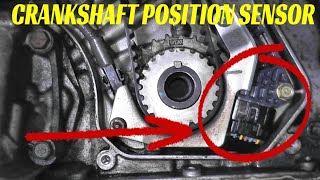
- Check Engine Light: This is often the first sign. You may see codes like P0335 or P0336. 🎬 Watch: Diagnosing common V6 crankshaft sensor fault codes
- Engine Won't Start: The engine will crank but won't fire up because the ECU isn't getting a signal to time the spark and fuel. 🎬 See a real-world crank-no-start diagnosis on a CL Type-S
- Intermittent Stalling: The car may stall suddenly while driving, especially after the engine has warmed up, and may be difficult to restart.
- Rough Idle and Misfires: The engine may vibrate or run unevenly at a stop.
- Poor Acceleration / Limp Mode: Your CL may feel sluggish and, in some cases, won't rev past 2,000-3,000 RPM.
Special Note for 2001-2003 CL Type-S 6-Speed Manual
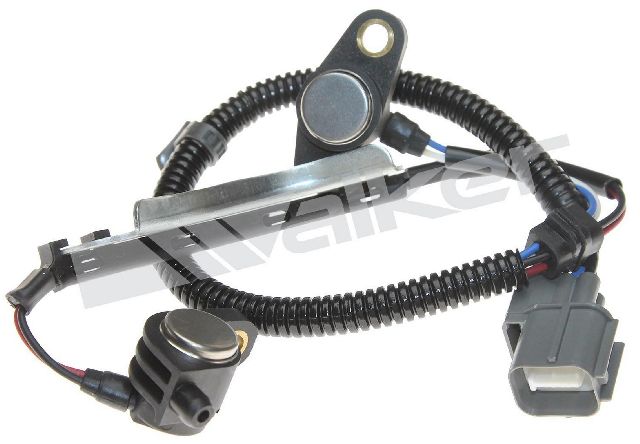
The manual transmission models have two crankshaft sensors. Sensor 'A' (CKP1) is behind the timing belt cover, and Sensor 'B' (CKP2) is on the transmission. It is a known issue for a P0336 code (blaming Sensor A) to actually be caused by a failure of Sensor B on the transmission. Diagnosis is key before ordering parts.
Choosing the Right Aftermarket Crankshaft Sensor
For a critical sensor like the CKP, brand quality matters. Using a low-quality part can lead to the same failure symptoms returning quickly. Based on owner feedback and OEM supplier information, aftermarket brands for your Acura CL can be grouped into tiers.
Tier 1: OEM-Equivalent Brands
These brands are often the original equipment manufacturers for Honda/Acura. They offer the best fit and reliability, making them the safest choice.
- Denso: A well-known OEM supplier for many Japanese vehicles, including Honda/Acura. Denso sensors are engineered for high accuracy and durability.
- Hitachi: Another primary OEM supplier for Honda electronics. Choosing Hitachi is essentially buying the original part without the dealer markup.
Tier 2: Reputable Aftermarket Brands
These brands are known for producing quality parts that meet or exceed OEM specifications. They are a solid choice if an OEM-equivalent brand is not available.
- Delphi: A major global parts manufacturer with a strong reputation for quality electronics.
- Standard Motor Products (SMP): A long-standing company that offers reliable sensors.
- Walker Products: A respected brand in engine management and fuel system components.
- Beck Arnley: Specializes in sourcing parts that match the original vehicle's country of origin, often re-boxing OEM parts.
Tier 3: Budget Brands
While the price is attractive, budget brands carry a higher risk of premature failure or incorrect readings, which can cause persistent driveability problems. For a part this critical and difficult to install, it is strongly recommended to invest in a Tier 1 or Tier 2 brand.
Pro Tip: Replace During Timing Belt Service
The primary crankshaft sensor on all 1997-2003 CL models is located behind the lower timing belt cover. The labor involved is nearly identical to a timing belt job. If your car is nearing its timing belt service interval, replace the crankshaft sensor at the same time to save hundreds of dollars in redundant labor.
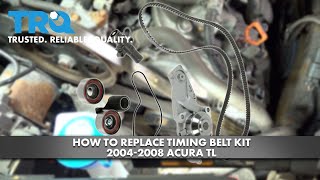
🎬 Watch: This timing belt walkthrough shows the sensor's locationEstimated Replacement Costs
| Part/Service | Estimated Cost |
|---|---|
| New OEM Sensor | $110 - $320 |
| New Aftermarket Sensor | $22 - $175 |
| Shop Labor | $350 - $750 |
| Total (Aftermarket Part + Labor) | $372 - $925 |
Cost estimates are for the primary sensor (behind timing cover) and can vary by location and vehicle engine/transmission type.
Frequently Asked Questions
Is the crankshaft sensor different for the V6 and 4-cylinder models?
Yes, the part numbers are different. The 1997-1999 models with the 2.2L/2.3L 4-cylinder use a different sensor than the V6 models. Always verify the part fits your specific year, model, and engine.
Can I replace the crankshaft sensor myself?
For the primary sensor located behind the timing cover, this is a difficult job rated 4 out of 5 for complexity. It requires removing the crankshaft pulley, which is notoriously tight on Honda/Acura engines and requires a special tool. It is recommended for experienced DIY mechanics only. The second sensor (Sensor B) on 6-speed manual models is more accessible on the transmission housing.
Are there any recalls for the Acura CL crankshaft sensor?
There are no specific recalls issued by the NHTSA for the crankshaft position sensor on the 1997-2003 Acura CL. There was a recall for some V6 models related to a timing belt tensioner pulley, which is in the same area, but it did not involve the sensor itself.
What's the difference between a crankshaft and camshaft sensor?
They work together. The crankshaft sensor tracks the position of the pistons, while the camshaft sensor tracks the position of the valves. The ECU needs both signals to time everything perfectly. While they perform similar functions, they are not interchangeable.
Helpful Videos
Technical Specifications
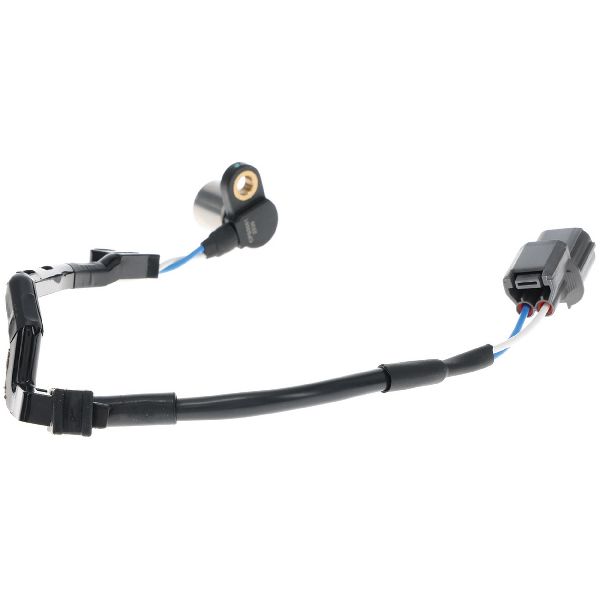
OEM Part Numbers: 37840-P0A-A01 37500-PGE-A11 37506-PGE-A12 37840-P8A-305 37501-P8A-A01 37501-P8F-A01
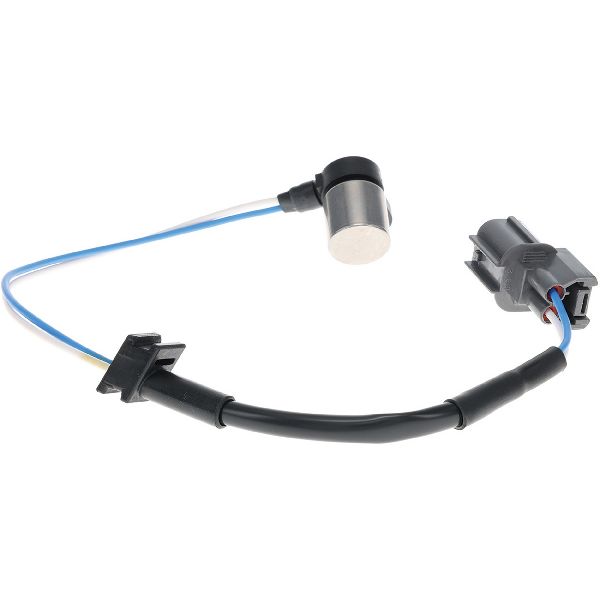
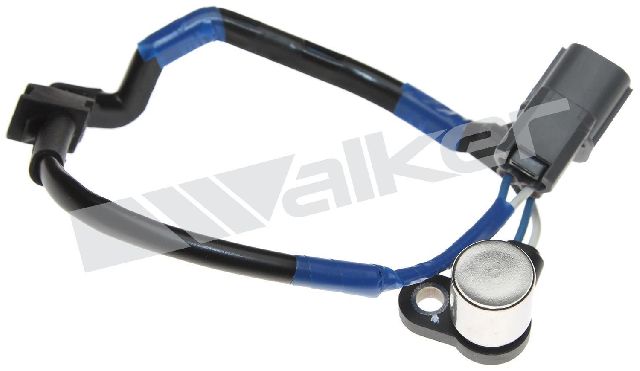
Location and part number vary significantly based on engine (2.2L, 2.3L, 3.0L, 3.2L) and transmission type (Automatic vs. 6-Speed Manual). The primary sensor for all models is located behind the lower timing belt cover. Manual transmission V6 models have a second sensor on the transmission bell housing. Always verify fitment with your vehicle's specific details.
We Have This Part in Stock


The information in this article is provided for general reference and educational purposes only. Vehicle specifications, procedures, and part compatibility can vary by production date, trim level, and region. Always consult your vehicle's factory service manual and verify part numbers before purchasing or performing repairs. Safety-critical components such as airbags, seat belts, and braking systems should be installed by a qualified professional.
- Acura CL:
- 🎬 Helpful Videos
- 🛍️ Shop This Part
- Is Your Acura CL Stalling or Not Starting? It Could Be the Crankshaft Sensor.
- Symptoms of a Failing Crankshaft Position Sensor
- Special Note for 2001-2003 CL Type-S 6-Speed Manual
- Choosing the Right Aftermarket Crankshaft Sensor
- Tier 1: OEM-Equivalent Brands
- Tier 2: Reputable Aftermarket Brands
- Tier 3: Budget Brands
- Pro Tip: Replace During Timing Belt Service
- Estimated Replacement Costs
- Frequently Asked Questions
- 🎟️ Get 5% Off