

A Guide to Oxygen Sensors for the 1997-2003 Acura CL
Keep your Acura CL running efficiently by understanding, diagnosing, and choosing the right oxygen sensor.
- For the primary/upstream sensor, only use OEM-equivalent brands like Denso or NTK to avoid compatibility issues.
- A P0420 code can be caused by a bad downstream sensor; it's worth replacing the sensor before the more expensive catalytic converter.
- Replacing an O2 sensor is a manageable DIY task that requires a special socket but can save on labor costs.
- No recalls exist for the O2 sensors, but check for open safety recalls on airbags and the ignition switch for your CL.
Is Your Acura CL Oxygen Sensor Failing?
A failing oxygen sensor can cause noticeable problems with your car's performance. Because these sensors directly impact the air-to-fuel ratio, a bad sensor can send incorrect information to your engine's computer, leading to issues you can feel from the driver's seat.
Common Symptoms of a Bad O2 Sensor:
- Check Engine Light: This is the most common sign. Codes like P0131, P0135, or P0141 point directly to a sensor fault. A P0420 code (Catalyst System Efficiency Below Threshold) can also be triggered by a failing downstream sensor.
- Poor Fuel Economy: If the sensor incorrectly tells the computer the engine is running lean (too much air), the computer will add more fuel than necessary, causing you to visit the gas pump more often.
- Rough Idle or Misfires: An imbalanced air-fuel mixture can lead to incomplete combustion, causing your engine to run rough, shake, or misfire.
- Failed Emissions Test: An O2 sensor that isn't working correctly can lead to an automatic failure of a state emissions inspection.
Don't Ignore a Bad O2 Sensor
While you can drive with a faulty O2 sensor, it's not recommended for long. Continuously running with a bad sensor can lead to a rich fuel mixture, which can overheat and damage your catalytic converter—a much more expensive repair.
Choosing the Right Aftermarket Oxygen Sensor
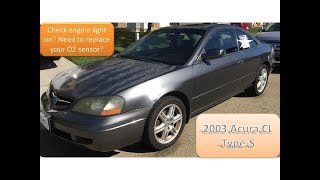
When it comes to oxygen sensors for your 1997-2003 Acura CL, brand choice 🎬 Watch this step-by-step O2 sensor replacement on a 1997 CL. matters, especially for the primary (upstream) sensor. Your Acura's engine computer is sensitive and expects signals from specific types of sensors.
| Brand Tier | Brands | Quality & Performance Notes |
|---|---|---|
| Tier 1: OEM Equivalent | Denso, NGK (NTK) | Denso and NTK are the original equipment manufacturers for Honda/Acura of this era. These are highly recommended by CL owners for direct-fit compatibility and long-term reliability, especially for the critical upstream sensor. |
| Tier 2: Quality Aftermarket | Delphi, Spectra, Walker Products | These brands offer a good balance of price and quality. They are generally considered reliable, especially for the less-critical downstream sensor position. |
| Tier 3: Economy | DriveWire | These are budget-friendly options that can get the job done, but may not offer the same longevity or precise fit as higher-tiered brands. |
| Use with Caution | Bosch | While a major brand, many Acura owners in forums report issues with Bosch sensors on this generation of vehicles, leading to persistent check engine lights and performance problems. It is generally recommended to choose Denso or NTK instead. |
Upstream vs. Downstream Sensors
Your Acura CL has at least two oxygen sensors: one upstream (before the catalytic converter) and one downstream (after the catalytic converter). The upstream sensor is vital for engine performance. For this sensor, it is strongly advised to use an OEM-equivalent brand like Denso or NTK. The downstream sensor's role is to monitor the catalytic converter, so while Denso/NTK is still preferred, other quality aftermarket brands are often acceptable.
Known Issues, Recalls, and Service Bulletins
Searches of the National Highway Traffic Safety Administration (NHTSA) database show no specific recalls or technical service bulletins (TSBs) for oxygen sensors on the 1997-2003 Acura CL. However, this vehicle generation has several major safety recalls for other components, including Takata airbags and ignition switches. Owners should verify if these recalls have been performed on their vehicle.
Frequently Asked Questions (FAQ)
How many oxygen sensors does my Acura CL have?
Most 1997-2003 Acura CL models have two oxygen sensors: one upstream (before the catalytic converter) and one downstream (after the catalytic converter). Some models with V6 engines may have more, depending on the exhaust configuration.
🎬 See how to replace the upstream sensor on V6 models.My mechanic says I have a P0420 code. Is it the O2 sensor or the catalytic converter?
A P0420 code means the catalytic converter's efficiency is low, which the downstream O2 sensor detects. While this can mean the converter is bad, it can also be caused by a faulty downstream O2 sensor giving a false reading. Because the sensor is much cheaper, it's common practice to replace the downstream O2 sensor first to see if it resolves the code.
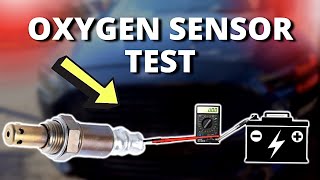
🎬 Learn how to test an oxygen sensor before buying parts.Should I buy a cheaper universal sensor or a direct-fit sensor?
A direct-fit sensor is highly recommended. It comes with the correct length of wire and the proper electrical connector for a simple plug-and-play installation. A universal sensor requires you to cut the old connector off and splice it onto the new sensor's wires, which can lead to connection problems if not done perfectly.
Can I replace the oxygen sensor myself?
Yes, this is a very DIY-friendly job for someone with basic tools. The main challenge is often removing the old sensor, which can be rusted in place. You will need to safely raise the car, use a special O2 sensor socket or a 22mm wrench, and apply anti-seize compound to the new sensor's threads before installation.
Helpful Videos

Technical Specifications
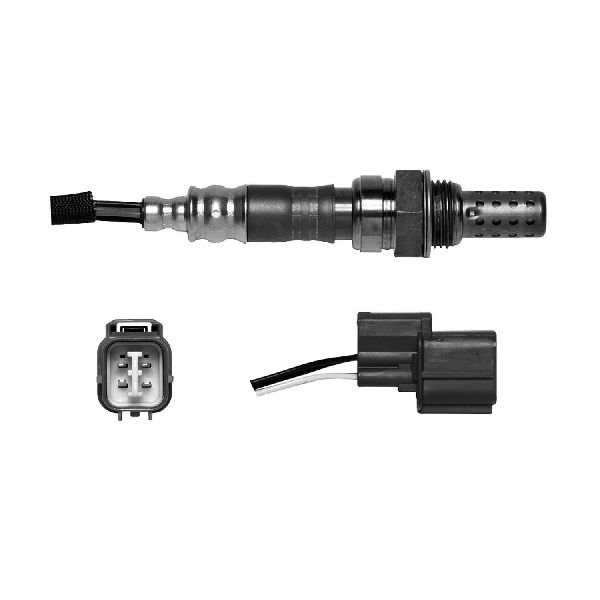
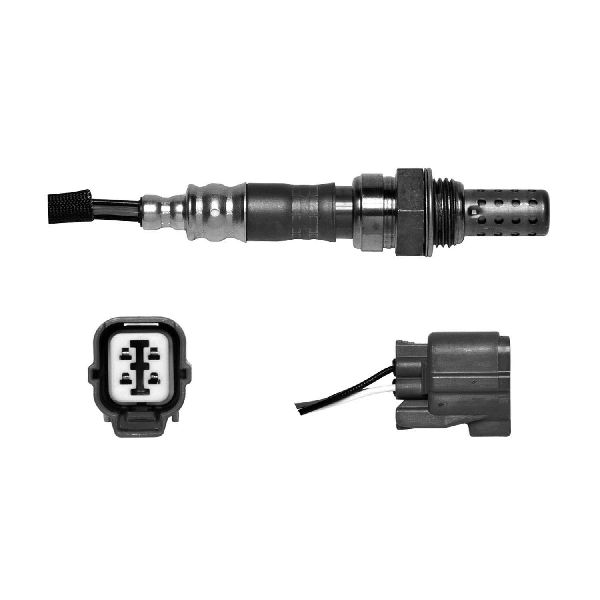
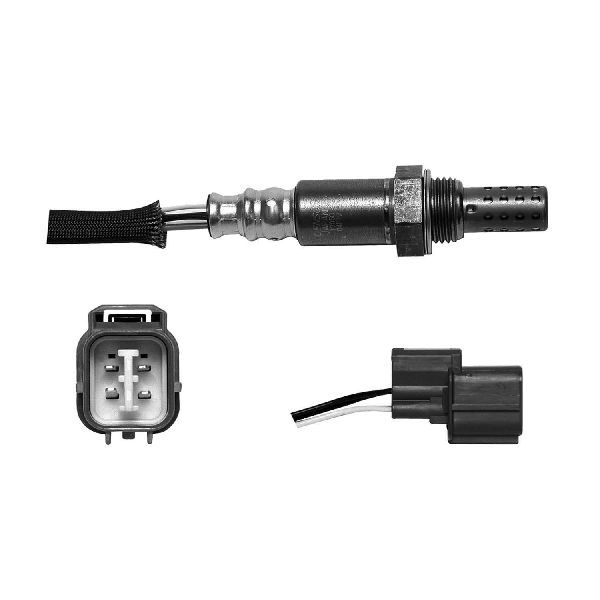
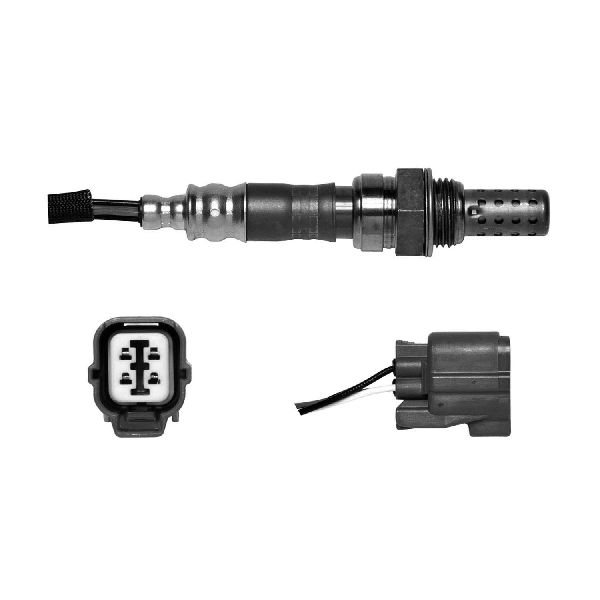
OEM Part Numbers: 36531-P8C-A21 36532-P8C-A21 36531-PGE-A11 36542-RCA-A01
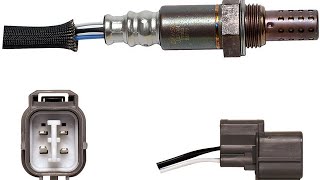
Your Acura CL uses heated, 4-wire oxygen sensors. The number of sensors and their specific part numbers vary between the 4-cylinder (2.2L/2.3L) and V6 (3.0L/3.2L) engines, as well as between model years. Always verify the part number for your specific vehicle's engine and sensor position (upstream or downstream).
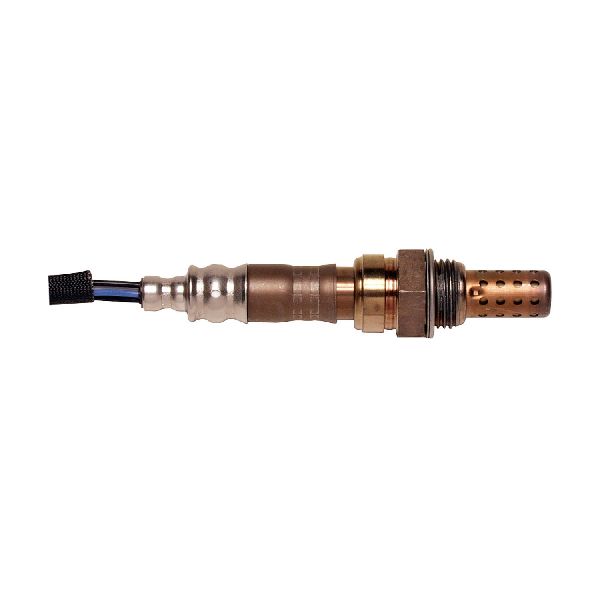
We Have This Part in Stock


The information in this article is provided for general reference and educational purposes only. Vehicle specifications, procedures, and part compatibility can vary by production date, trim level, and region. Always consult your vehicle's factory service manual and verify part numbers before purchasing or performing repairs. Safety-critical components such as airbags, seat belts, and braking systems should be installed by a qualified professional.
- Acura CL:
- 🎬 Helpful Videos
- 🛍️ Shop This Part
- Is Your Acura CL Oxygen Sensor Failing?
- Common Symptoms of a Bad O2 Sensor:
- Don't Ignore a Bad O2 Sensor
- Choosing the Right Aftermarket Oxygen Sensor
- Upstream vs. Downstream Sensors
- Known Issues, Recalls, and Service Bulletins
- Frequently Asked Questions (FAQ)
- 🎟️ Get 5% Off