

Acura CL Spark Plug Replacement Guide (1997-2003)
Keep your Acura CL's engine running smoothly with the right set of spark plugs.
- Stick with OEM brands NGK or Denso for the best performance and reliability in your Acura CL.
- Choose Iridium or Platinum plugs for a long service life, often exceeding 100,000 miles.
- The rear spark plugs on V6 models are challenging to access but a DIY replacement is possible with patience.
- Do not use anti-seize on modern NGK plugs as they have a special coating.
Signs of Failing Spark Plugs in Your Acura CL
When your spark plugs are nearing the end of their life, your car will usually let you know. You might notice one or more of these symptoms:
- Rough Idle: The engine may shake or vibrate more than usual when you're stopped.
- Poor Acceleration: The car may feel sluggish or hesitant when you press the gas pedal.
- Reduced Fuel Economy: You may find yourself filling up the tank more often than you used to.
- Engine Misfires: This can feel like a stumbling or jerking sensation while driving. It may also cause the Check Engine Light to flash.
- Difficulty Starting: A weak spark can make it harder for the engine to turn over, especially in cold weather.
Choosing the Right Aftermarket Spark Plugs
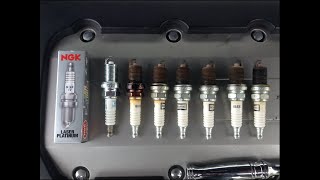
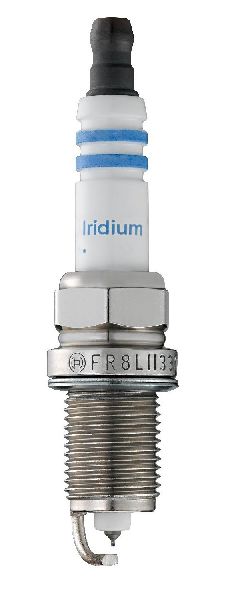
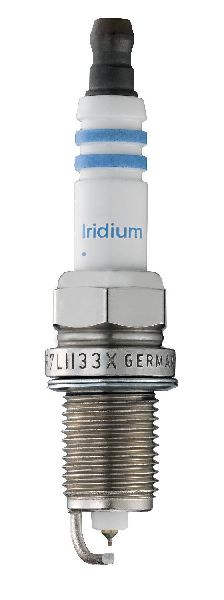
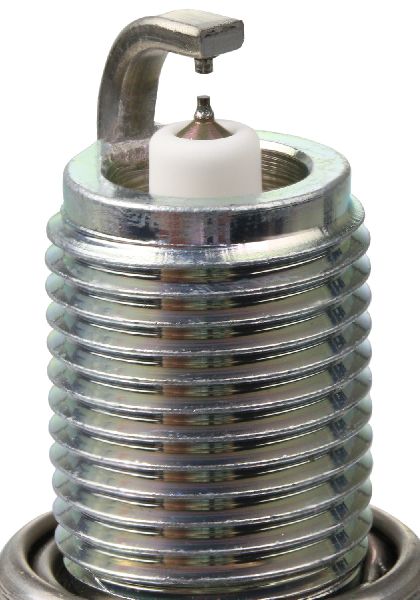
For the 1997-2003 Acura CL, the original equipment (OEM) spark plugs were made by NGK or Denso. These brands are highly recommended by owners and mechanics for their reliability and performance in Honda and Acura engines. While other brands like Bosch, Champion, and Autolite are available, sticking with the OEM-equivalent Iridium or Platinum plugs from NGK or Denso is a safe bet for optimal performance and longevity.
Spark Plug Brand Tiers for Acura CL
| Tier | Brands | Notes |
|---|---|---|
| OEM / Top Tier | NGK, Denso | Excellent performance and longevity. Often available as Iridium or Platinum, which were factory spec for most CL models. These are the most recommended plugs for a reason. |
| Mid-Grade | Bosch, Champion | While these are established brands, some Acura owners report less consistent performance compared to NGK or Denso. They can be a budget-friendly option, but may not last as long. |
| Economy | Autolite, Accel | These are typically basic copper plugs. They will work, but expect a much shorter service life (around 30,000 miles) compared to the 100,000+ miles of platinum or iridium plugs. |
Generation and Engine Differences
It's crucial to get the right plugs for your specific CL model:
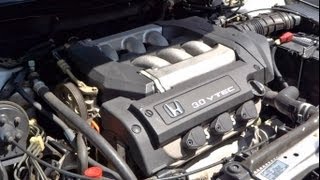
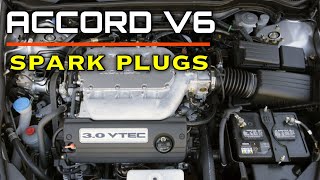
- 1997 CL: This year had two engine options. The 2.2L 4-cylinder (F22B1) uses different plugs than the 3.0L V6 (J30A1). 🎬 See how to change plugs on the 3.0L V6 engine. Always verify which engine you have.
- 1998-1999 CL: These models only came with the 3.0L V6 (J30A1).
- 2001-2003 CL: These second-generation models use a 3.2L V6 (J32A1 for base, J32A2 for Type-S). 🎬 Watch this step-by-step spark plug replacement for 3.2L V6 engines. The high-performance Type-S, especially with a manual transmission, may have a different heat range plug from the factory.
Pro Tip: Always double-check the part number for your specific year and engine. The factory-recommended NGK Laser Iridium or Laser Platinum plugs are an excellent choice and are good for up to 105,000 miles.
Known Issues, Recalls, and TSBs
No recalls or Technical Service Bulletins (TSBs) specifically for spark plug failure were found for the 1997-2003 Acura CL. However, there was a TSB related to ignition coils, which work directly with the spark plugs. A failing coil can cause misfires and damage the spark plug, so it's wise to inspect the ignition coils when changing your plugs.
Frequently Asked Questions
Do I need to gap my new spark plugs?
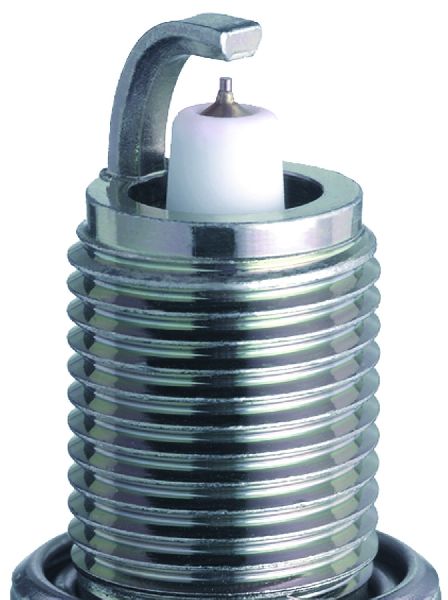
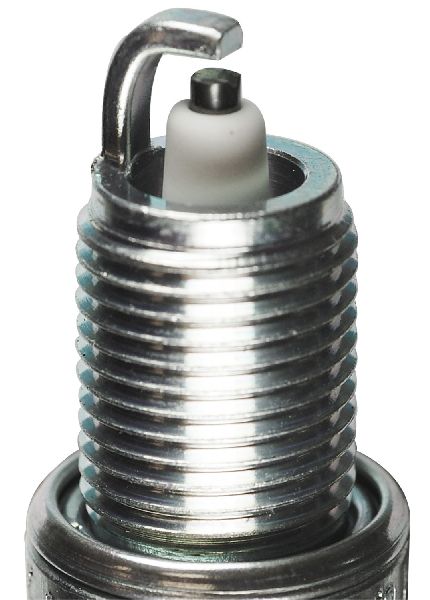
Most modern NGK and Denso Iridium or Platinum plugs come pre-gapped from the factory for your specific vehicle. It's a good practice to gently check the gap with a feeler gauge to ensure none were damaged in shipping, but you should not need to adjust them. Aggressively gapping fine-wire iridium plugs can damage the delicate tip.
Is it hard to change the spark plugs on an Acura CL myself?
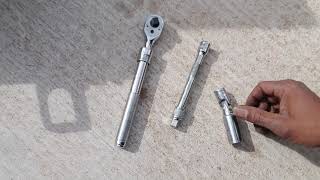
For the V6 models, the front three plugs (near the radiator) are very easy to access. The rear three plugs are more difficult due to the intake manifold being in the way. It is possible to change the rear plugs without removing the manifold, but it requires patience and the right combination of socket extensions.
🎬 Watch a pro tackle the difficult rear plugs on V6 models.What's the difference between Platinum and Iridium spark plugs?
Both are long-life spark plugs. Iridium is a harder, more durable material than platinum, which allows for a finer center electrode. This can lead to a more focused spark, slightly better performance, and potentially a longer lifespan. For most drivers, either OEM-equivalent platinum or iridium will provide excellent results.
Should I use anti-seize on the spark plug threads?
NGK, the primary OEM supplier, specifically recommends NOT using anti-seize on their modern plugs. The plugs have a special trivalent coating that provides anti-seize properties and ensures proper torque readings. Adding extra anti-seize can cause you to over-torque the plugs, potentially damaging the cylinder head.
Helpful Videos
Technical Specifications
OEM Part Numbers: 98079-5514G 98079-5514N 12290-PGE-A02 9807B-5617W PZFR5F-11 PZFR6E-11 IZFR6K11
Varies by engine. The 1997 2.2L L4, 1997-1999 3.0L V6, and 2001-2003 3.2L V6 all use different spark plugs. It is critical to verify the correct part number for your specific engine and model year before purchasing.
We Have This Part in Stock


The information in this article is provided for general reference and educational purposes only. Vehicle specifications, procedures, and part compatibility can vary by production date, trim level, and region. Always consult your vehicle's factory service manual and verify part numbers before purchasing or performing repairs. Safety-critical components such as airbags, seat belts, and braking systems should be installed by a qualified professional.
- Acura CL: